

Sports-Related Injury Treatment Gallery
$$MultiPurposeText$$
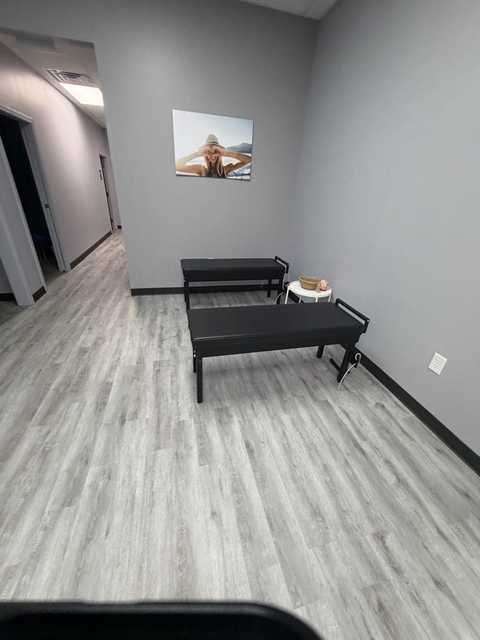
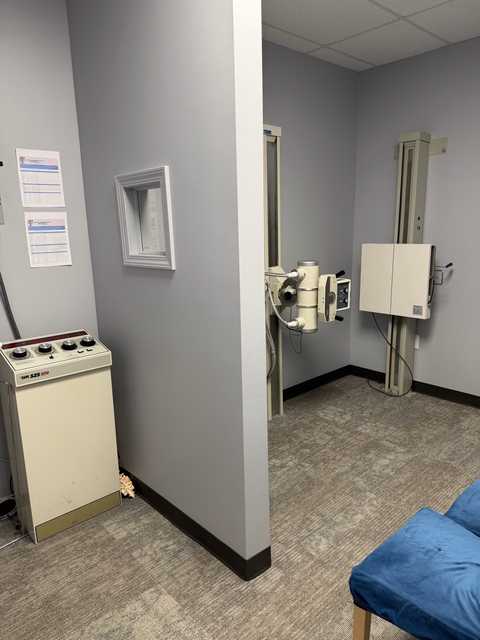
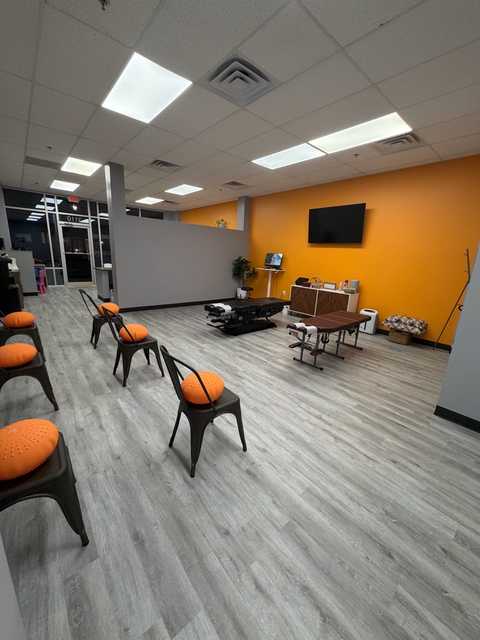
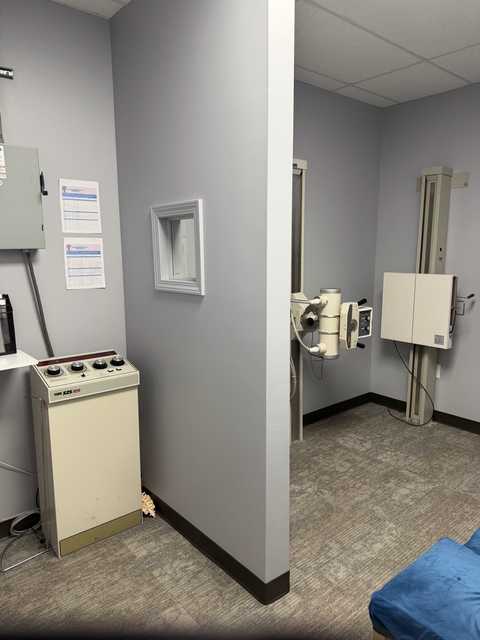
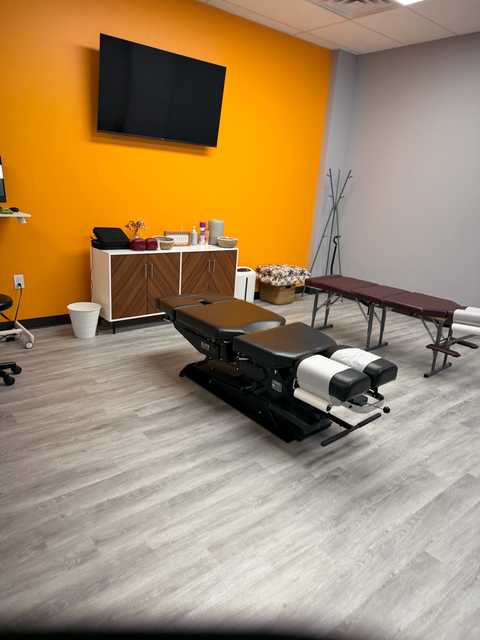
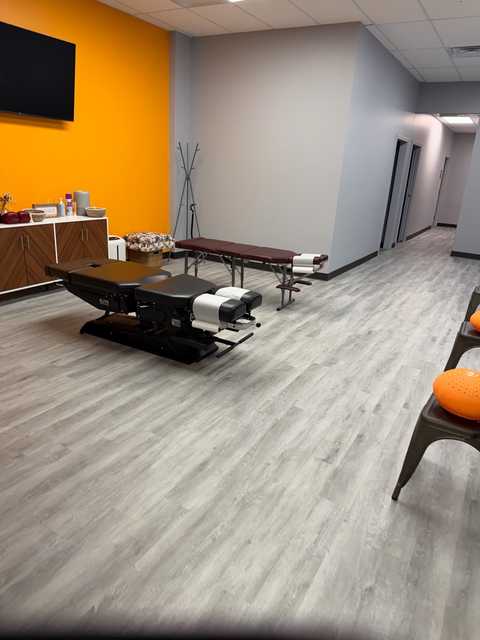
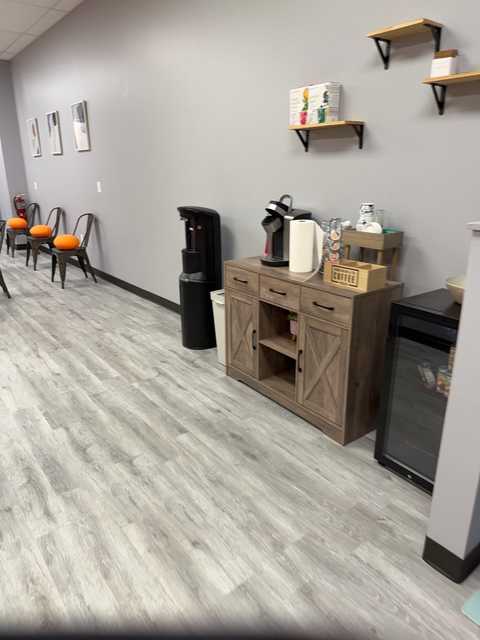
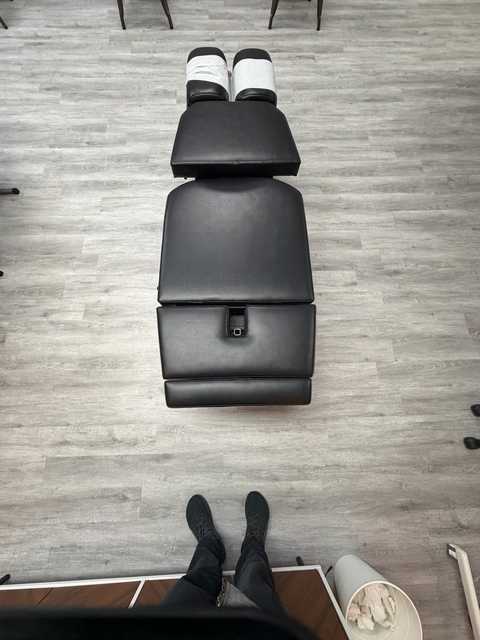
See examples of our Sports-Related Injury Treatment work and results.
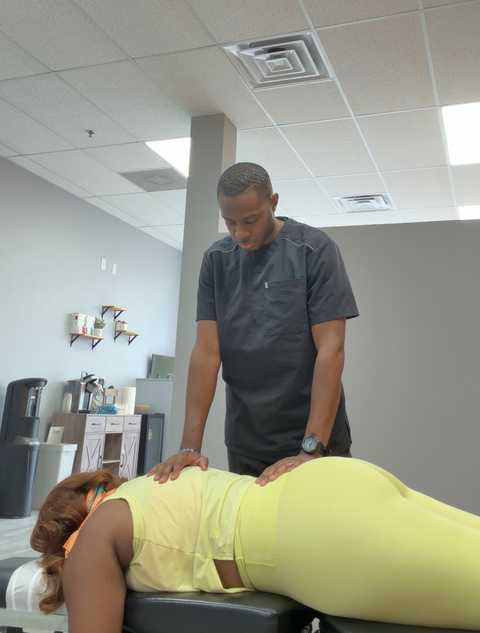
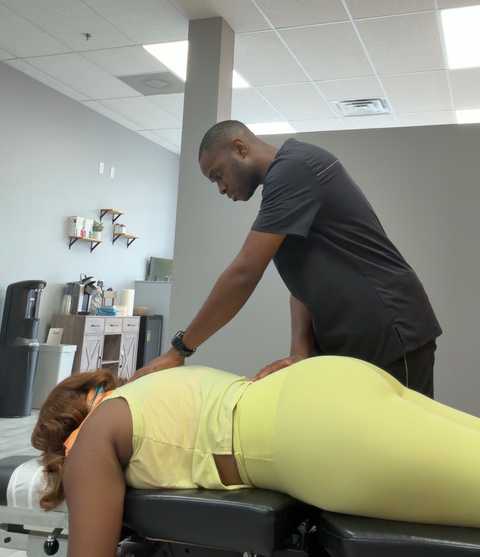


What Our Clients Say
$$MultiPurposeText$$
Read testimonials from our satisfied customers

Dr. Matthew was amazing. Hes so respectful and helpful HIGHLY RECOMMEND

Dr Matt is a Pro!

I had a great experience here getting adjusted. They also have a massage therapist there a...more

Absolutely love this place. Best chiropractor I’ve experienced 100%

Great customer service. Dr Richmond provides you with a personal experience by sharing inf...more

Dr Richmond is very knowledgeable. He listens to your concerns. I’d recommend others for h...more

Frequently Asked Questions
Get answers to common questions about Sports-Related Injury Treatment.
Recovery timelines vary by injury severity, sport, and commitment to rehab. Minor sprains may heal in days to weeks; more severe injuries require several weeks to months. We assess, create a phased plan, and monitor progress to safely return you to sport.
Yes. Care is adapted for growth, development, and safety in adolescents. We use gentler adjustments, progressive rehabilitation, and close monitoring while involving parents and coaches to ensure safe return and long-term athletic health.
Often yes. We address tendon loading, biomechanics, and inflammation with targeted soft-tissue work, eccentric exercises, and activity modification. With consistent treatment and home programs many athletes experience lasting reduction in pain and improved function.
Our clinic blends manual adjustments, soft tissue mobilization, taping, instrument-assisted techniques, therapeutic exercises, and movement analysis. We choose methods based on sport-specific needs and injury type to restore function, reduce pain, and optimize performance.
No referral is usually required; most athletes can schedule an evaluation directly. If imaging or co-management is necessary, we coordinate with primary care or specialists and can provide referrals when appropriate for comprehensive care.
Visit counts depend on injury severity, athlete goals, and response to care. Some resolve in two to six visits; more complex cases need multiple weeks of treatment and progressive rehabilitation. We provide an estimated plan after the initial assessment.