

Sports Neck Pain Relief Gallery
$$MultiPurposeText$$
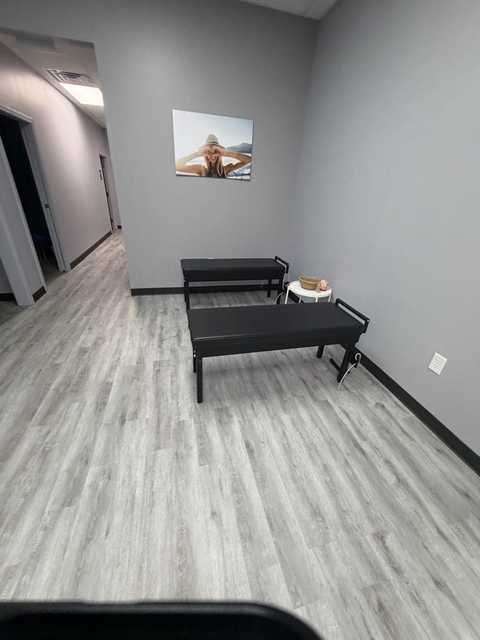
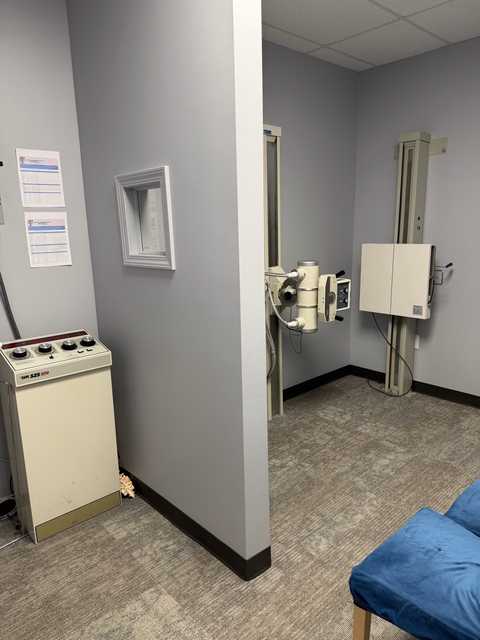
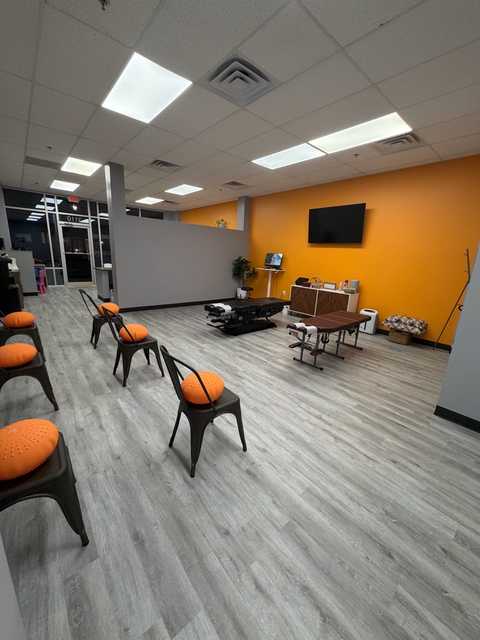
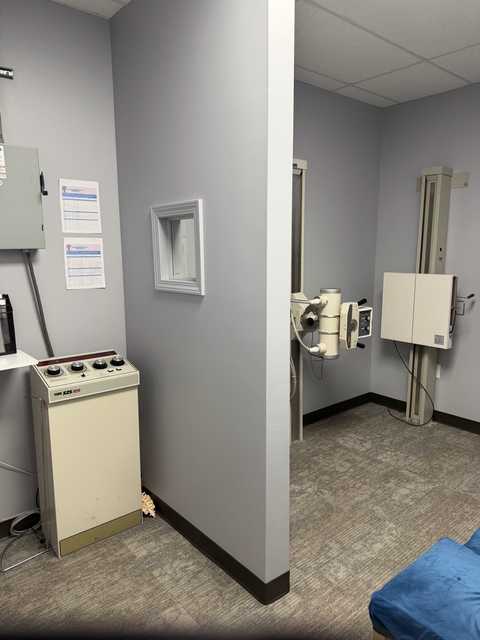
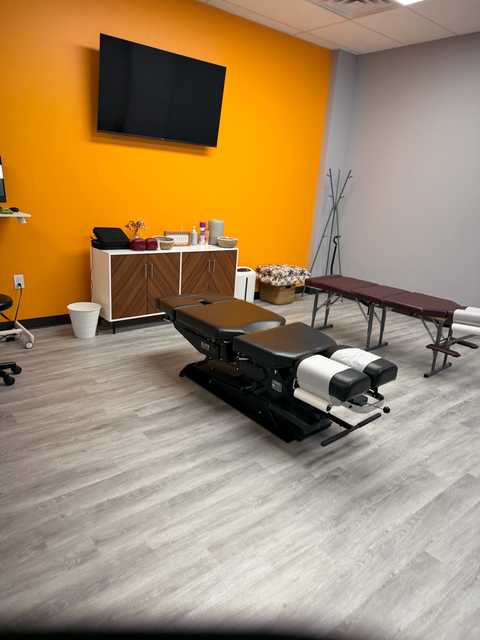
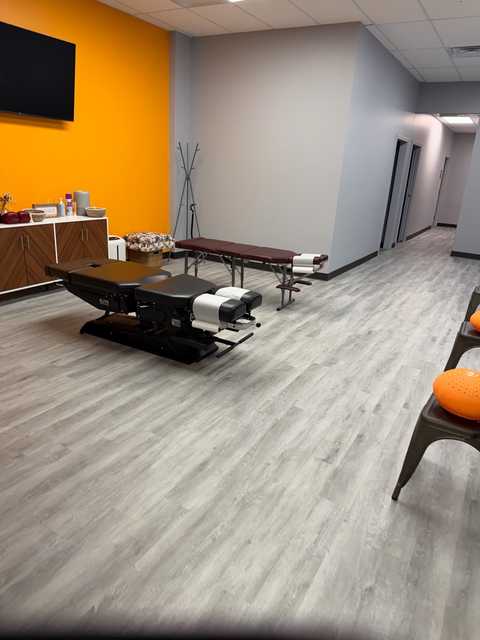
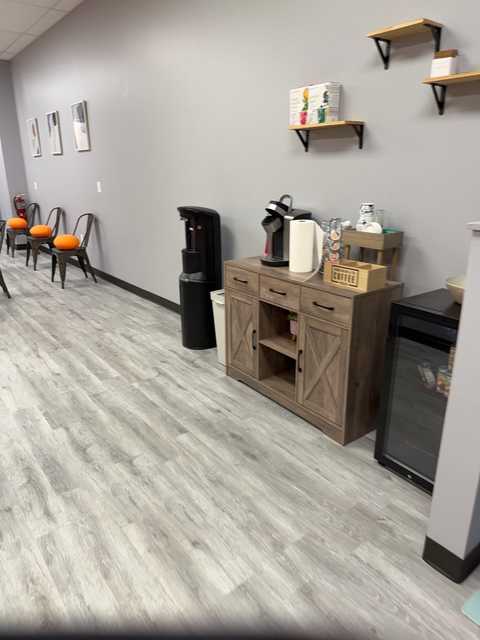
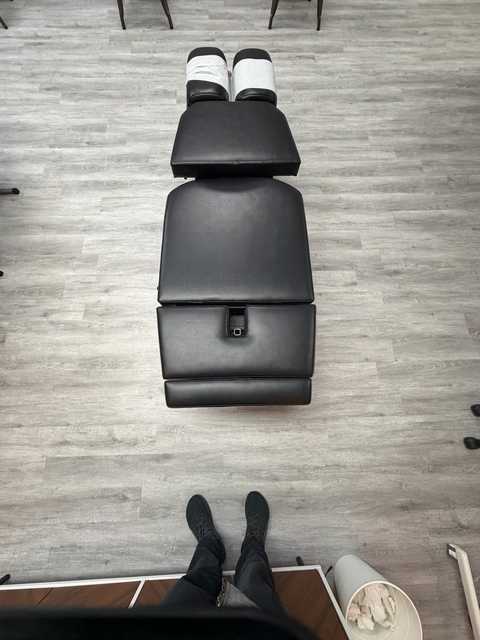
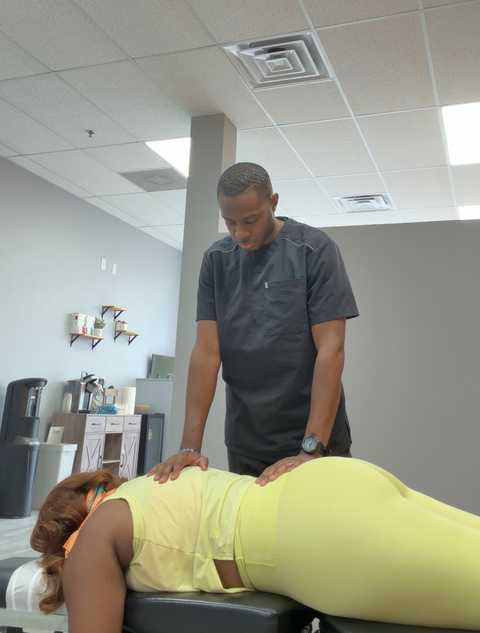
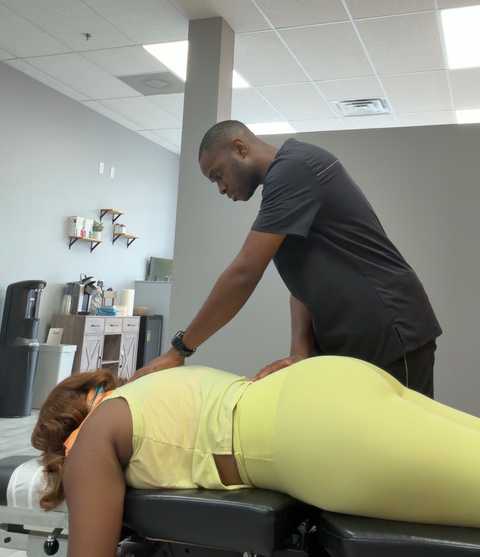
See examples of our Sports Neck Pain Relief work and results.


What Our Clients Say
$$MultiPurposeText$$
Read testimonials from our satisfied customers

Dr. Matthew was amazing. Hes so respectful and helpful HIGHLY RECOMMEND

Dr Matt is a Pro!

I had a great experience here getting adjusted. They also have a massage therapist there a...more

Absolutely love this place. Best chiropractor I’ve experienced 100%

Great customer service. Dr Richmond provides you with a personal experience by sharing inf...more

Dr Richmond is very knowledgeable. He listens to your concerns. I’d recommend others for h...more

Frequently Asked Questions
Get answers to common questions about Sports Neck Pain Relief.
Treatment timelines vary; many athletes notice reduced pain and improved motion within one to four sessions, while complete recovery may take several weeks depending on injury severity and adherence to rehab.
Yes. We use sport-specific protocols emphasizing gentle adjustments, soft tissue work, and progressive strengthening to safely restore function. Return-to-play is based on objective measures and symptom resolution.
During the initial evaluation we may order imaging if there are red flags or suspected structural injury. Many cases are assessed clinically; X-rays or MRI are used selectively to guide care.
Most athletes benefit from a short course of care—typically four to eight sessions—combining adjustments, soft-tissue therapy, and targeted exercise. Chronic or complex cases require individualized plans and reassessment.
Absolutely. Chiropractic care addresses muscular imbalances, joint restrictions, and faulty mechanics caused by repetitive movements. A tailored program of adjustments, exercises, and ergonomic guidance restores durable function.
No referral is required. We accept direct appointments for Sports Neck Pain Relief at Connected Health Suwanee. If your insurer needs a referral, we’ll assist with documentation to support authorization.