

Shoulder Injury Recovery Gallery
$$MultiPurposeText$$
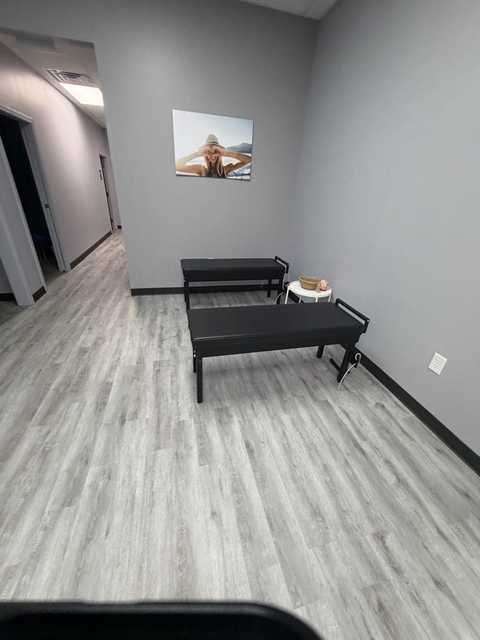
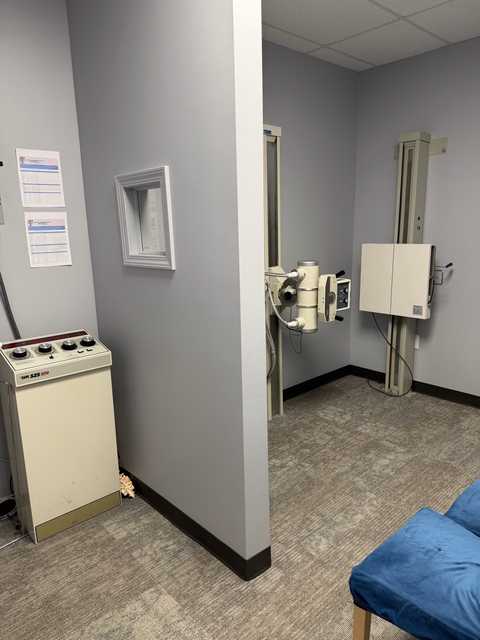
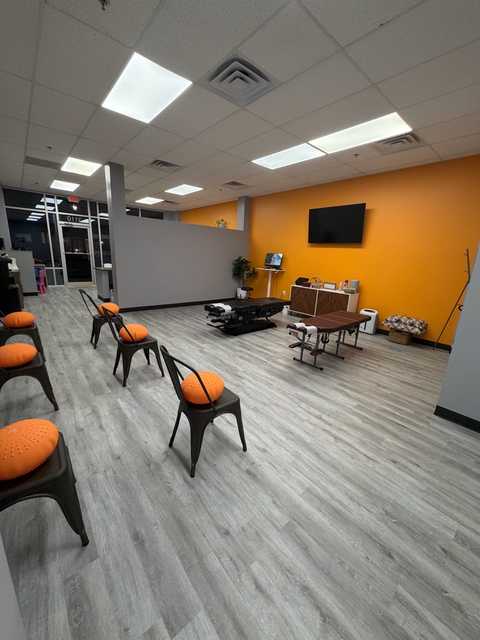
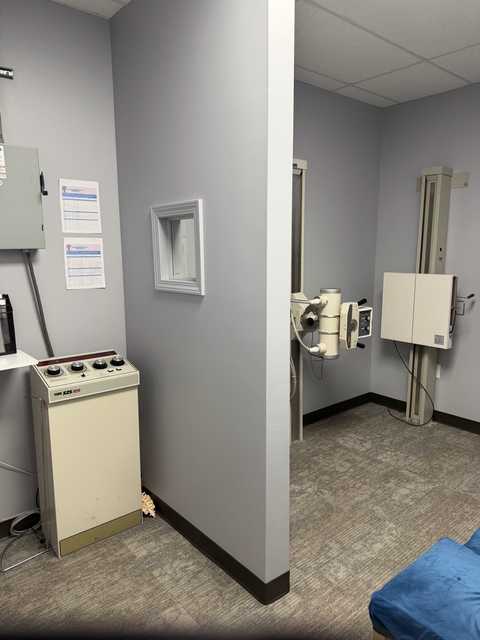
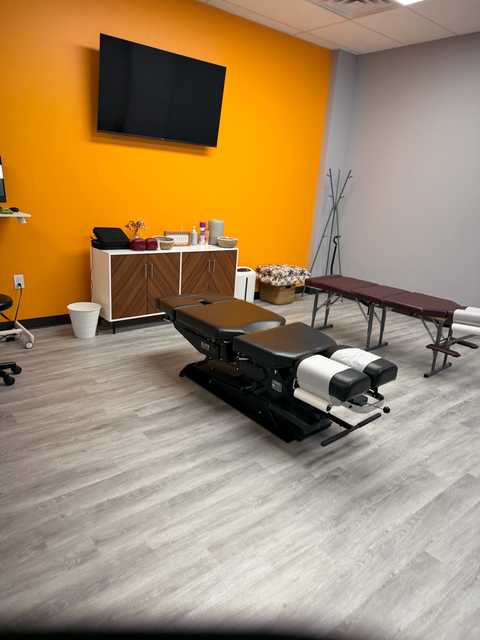
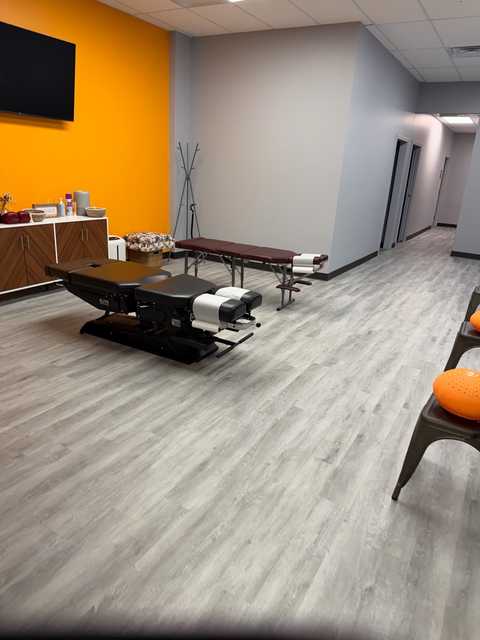
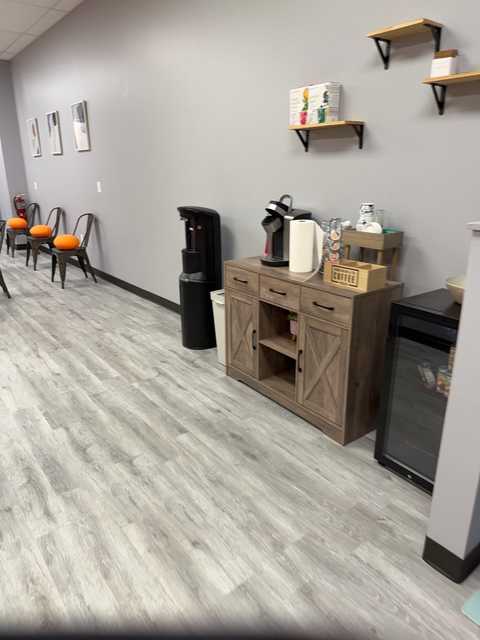
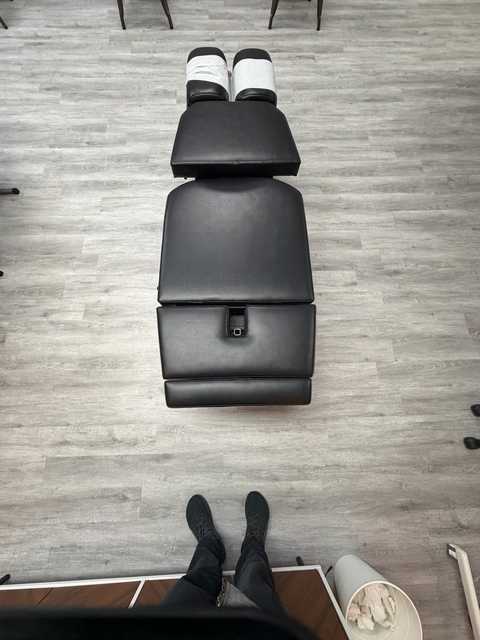
See examples of our Shoulder Injury Recovery work and results.
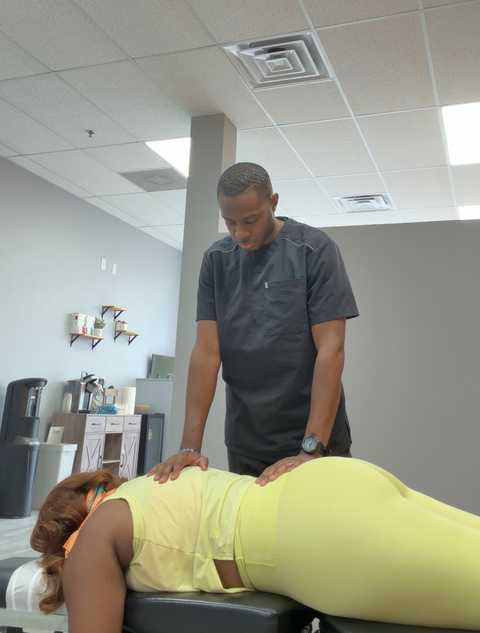
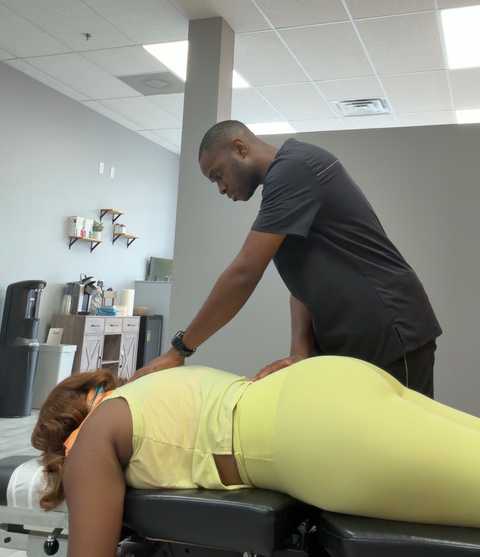


What Our Clients Say
$$MultiPurposeText$$
Read testimonials from our satisfied customers

Dr. Matthew was amazing. Hes so respectful and helpful HIGHLY RECOMMEND

Dr Matt is a Pro!

I had a great experience here getting adjusted. They also have a massage therapist there a...more

Absolutely love this place. Best chiropractor I’ve experienced 100%

Great customer service. Dr Richmond provides you with a personal experience by sharing inf...more

Dr Richmond is very knowledgeable. He listens to your concerns. I’d recommend others for h...more

Frequently Asked Questions
Get answers to common questions about Shoulder Injury Recovery.
Many patients notice pain reduction and improved mobility within 2-6 sessions, depending on injury severity. Our team creates tailored plans and tracks progress; chronic or severe rotator cuff tears may require longer care or referral to orthopedics.
Yes. When performed by a trained sports chiropractor, manual adjustments, soft tissue techniques, and exercise therapy are safe and effective. We evaluate each case, use imaging if needed, and coordinate with medical providers for optimal, evidence-based rotator cuff recovery.
Chiropractic can significantly reduce impingement pain and improve function, especially with early treatment and active rehab. Permanent relief depends on underlying causes and adherence to exercises; severe structural issues may still require orthopedic evaluation or surgical options.
Recovery time varies: minor strains often improve within weeks, while rotator cuff tears or chronic impingement may take several months. We set milestones, modify treatments as needed, and provide home exercises to speed recovery and reduce recurrence risk.
Not always. We perform a thorough exam and often treat conservatively first. Imaging like X-rays or MRI may be recommended if symptoms persist, worsen, or a significant tear or instability is suspected to guide targeted treatment.
Yes — with a structured rehabilitation plan focusing on strength, flexibility, and sport-specific mechanics, many athletes safely return to play. We progress activity based on objective tests to minimize re-injury and ensure performance readiness before full return.