

Muscle Strains And Sprains Care Gallery
$$MultiPurposeText$$
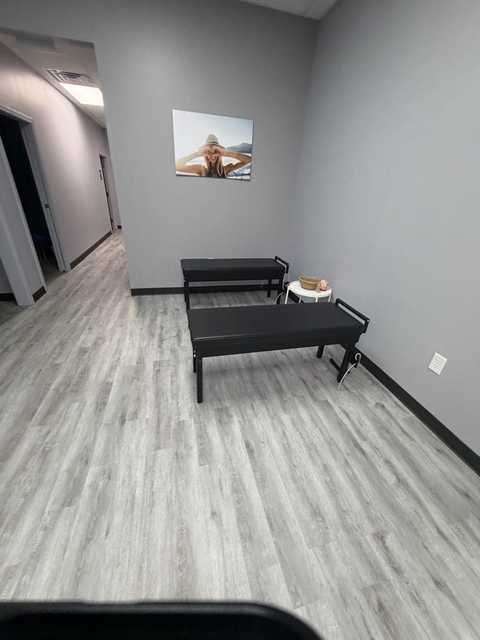
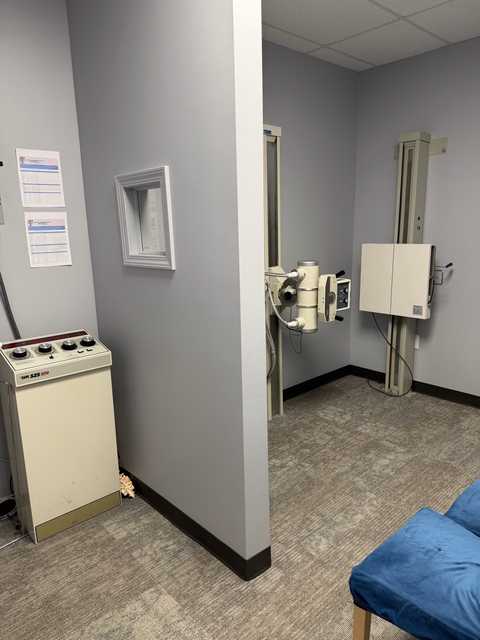
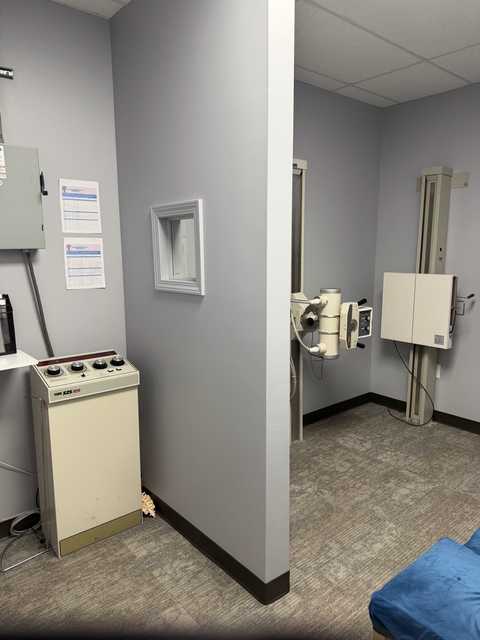
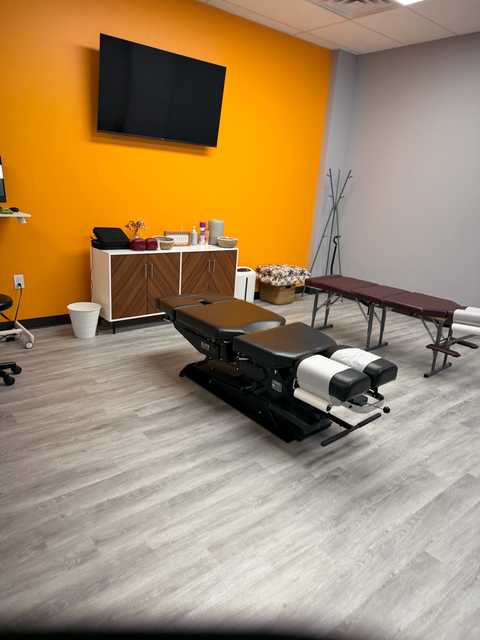
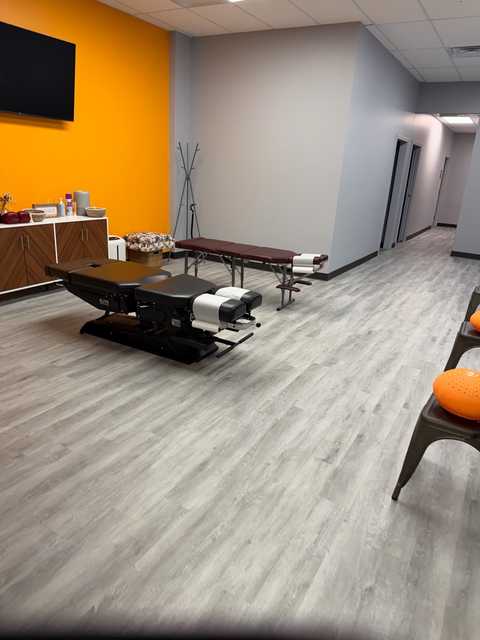
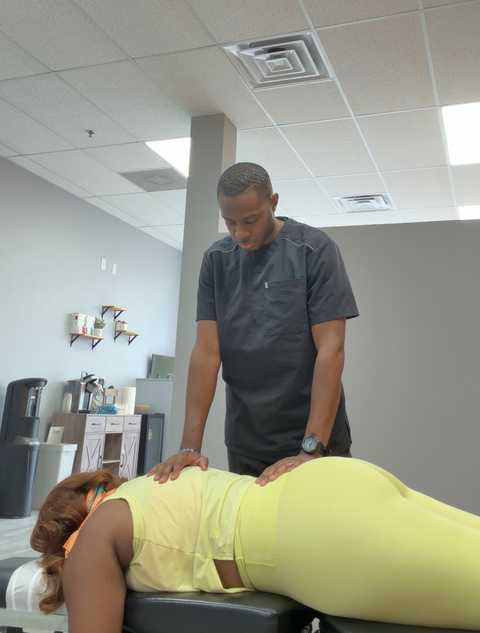
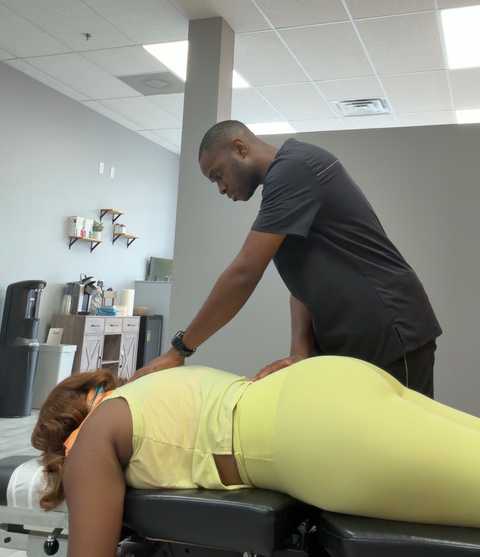
See examples of our Muscle Strains And Sprains Care work and results.




What Our Clients Say
$$MultiPurposeText$$
Read testimonials from our satisfied customers

Dr. Matthew was amazing. Hes so respectful and helpful HIGHLY RECOMMEND

Dr Matt is a Pro!

I had a great experience here getting adjusted. They also have a massage therapist there a...more

Absolutely love this place. Best chiropractor I’ve experienced 100%

Great customer service. Dr Richmond provides you with a personal experience by sharing inf...more

Dr Richmond is very knowledgeable. He listens to your concerns. I’d recommend others for h...more

Frequently Asked Questions
Get answers to common questions about Muscle Strains And Sprains Care.
Our approach uses soft tissue techniques, targeted adjustments, and therapeutic modalities to decrease inflammation and interrupt pain cycles. We combine mobilization with rehab exercises and education to support rapid healing while minimizing recurrence and restoring normal muscle function.
Treatment frequency depends on injury grade and goals. Many patients see improvement in three to six visits, while more severe strains may need longer rehab. We'll set a timeline, track progress, and adjust care to meet recovery milestones.
Yes. Care is tailored to each athlete’s age, fitness level, and sport demands. We focus on safe progressions, return-to-play testing, and communication with coaches or trainers to ensure a smooth, performance-oriented recovery.
Some treatments can cause mild, short-lived soreness as tissues rebalance, but the goal is to reduce pain overall. We adjust intensity to patient comfort and provide strategies—ice, activity modification, and gentle exercises—to manage any temporary discomfort.
Absolutely. We address underlying contributors—biomechanics, strength deficits, flexibility, and movement patterns—to lower future injury risk. Ongoing corrective exercises and maintenance visits help sustain improvements and support long-term resilience in sports and daily activities.
Typically no referral is needed; you can start chiropractic care directly. If we identify red flags or require imaging, we'll coordinate with your physician and refer for further evaluation to ensure safe, comprehensive care.