

Hip Pain Adjustment & Rehabilitation Gallery
$$MultiPurposeText$$
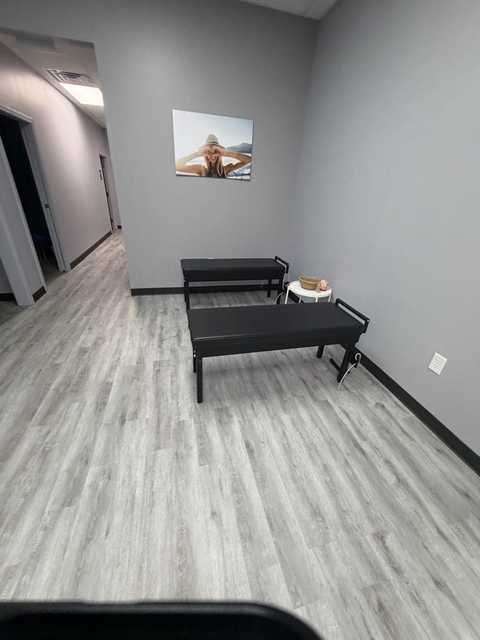
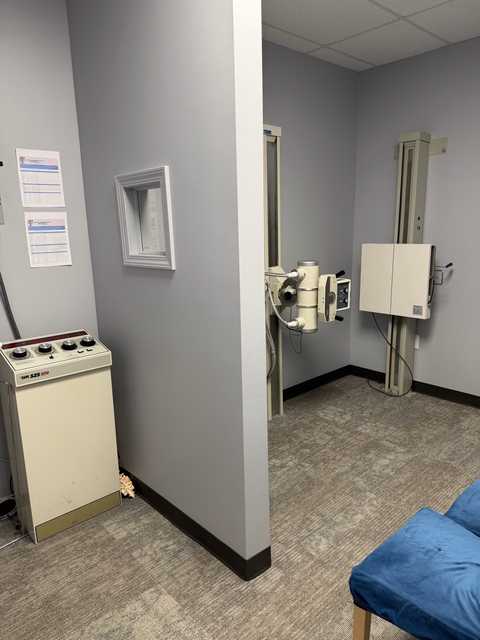
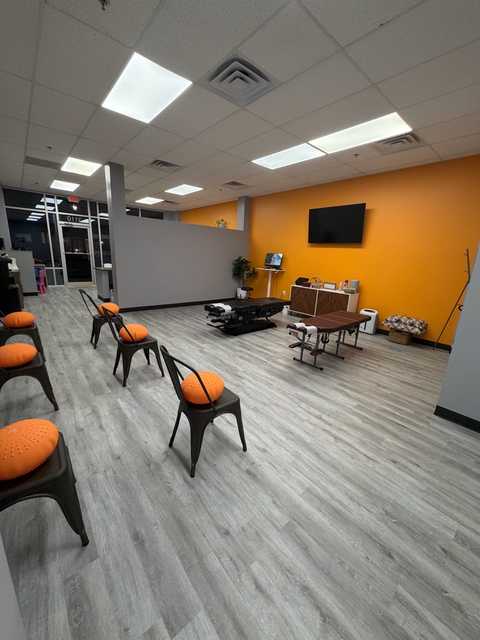
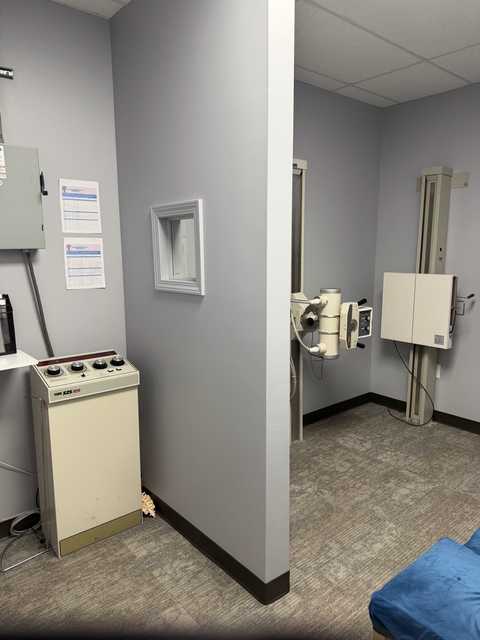
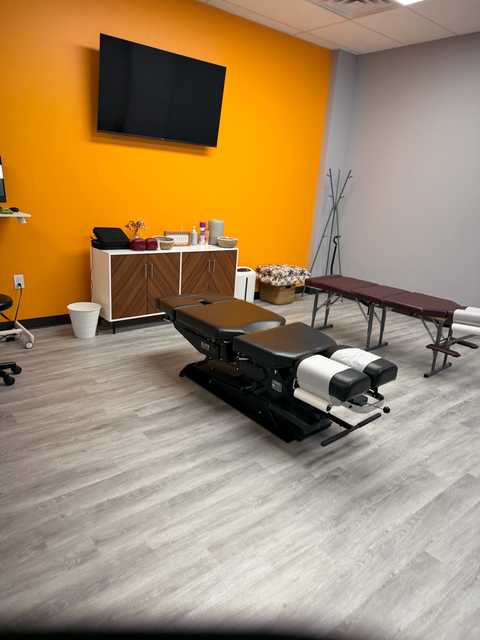
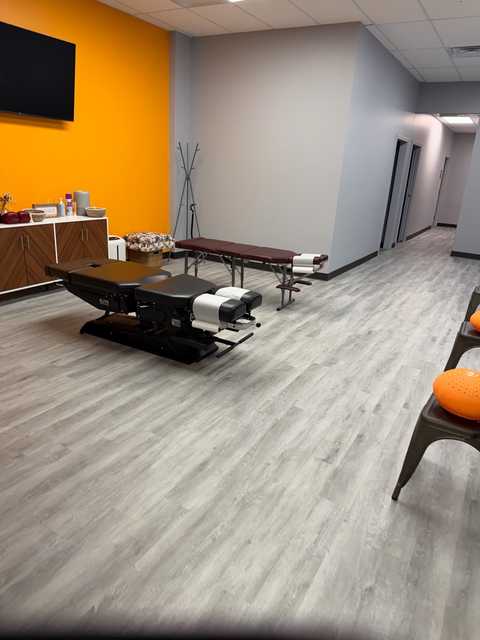
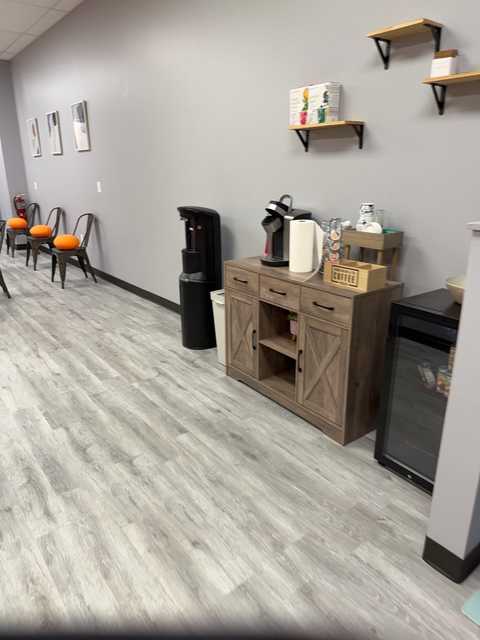
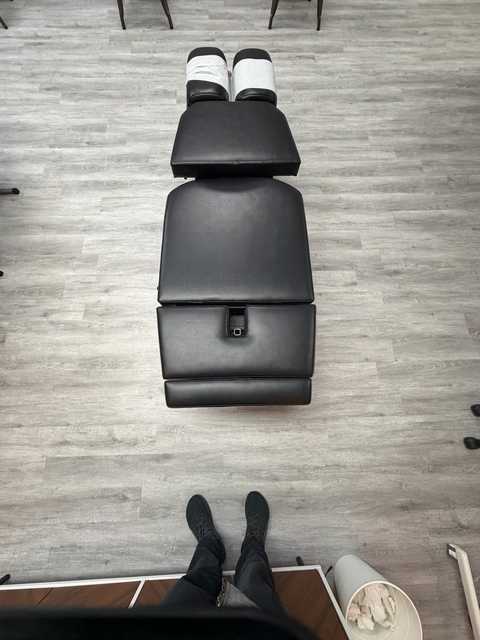
See examples of our Hip Pain Adjustment & Rehabilitation work and results.
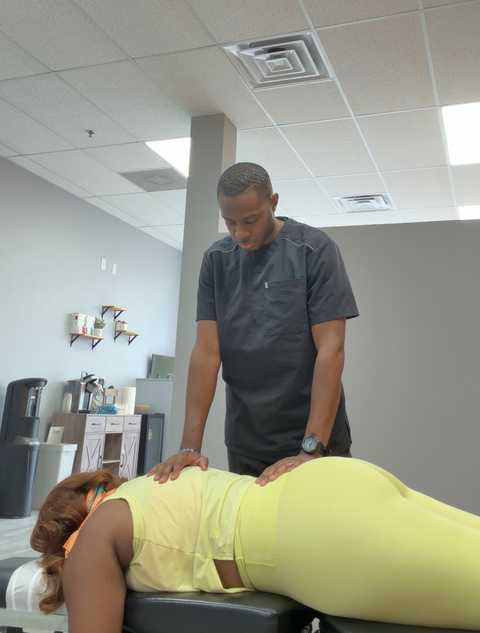
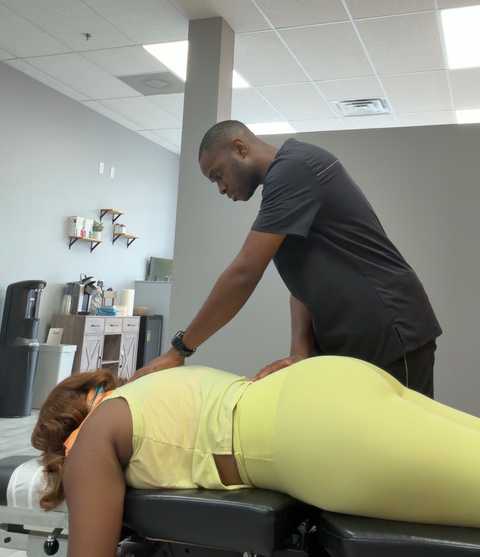


What Our Clients Say
$$MultiPurposeText$$
Read testimonials from our satisfied customers

Dr. Matthew was amazing. Hes so respectful and helpful HIGHLY RECOMMEND

Dr Matt is a Pro!

I had a great experience here getting adjusted. They also have a massage therapist there a...more

Absolutely love this place. Best chiropractor I’ve experienced 100%

Great customer service. Dr Richmond provides you with a personal experience by sharing inf...more

Dr Richmond is very knowledgeable. He listens to your concerns. I’d recommend others for h...more

Frequently Asked Questions
Get answers to common questions about Hip Pain Adjustment & Rehabilitation.
Many patients notice reduced pain and improved mobility after the first one to three sessions, especially with acute misalignments. Complete functional recovery depends on severity and adherence to prescribed rehab, typically spanning several weeks to a few months.
Yes. Our clinicians assess growth plates, movement patterns, and overall health before treatment. Gentle chiropractic adjustments and age-appropriate rehab exercises are used to safely manage hip pain and support healthy athletic development.
Treatment plans are individualized. Acute cases may need 4–8 visits while chronic or complex issues often require 8–12+ sessions with progressive rehab. Your chiropractor will estimate length after evaluation and adjust frequency based on progress.
Coverage varies by plan. Many insurance policies cover chiropractic adjustments and medically necessary rehab; however, co-pays and limitations may apply. We can verify benefits for your plan and provide documentation for claims or out-of-network reimbursement.
Home programs typically include targeted strengthening (glute bridges, clamshells), hip mobility drills, and core stabilization. Exercises are progressed gradually and tailored to your sport to restore balanced mechanics and support long-term recovery.
Yes. By correcting alignment, improving muscle balance, and teaching movement strategies, the program reduces biomechanical risk factors. Ongoing maintenance and sport-specific conditioning help sustain results and lower reinjury risk.