

Webster Technique Gallery
$$MultiPurposeText$$
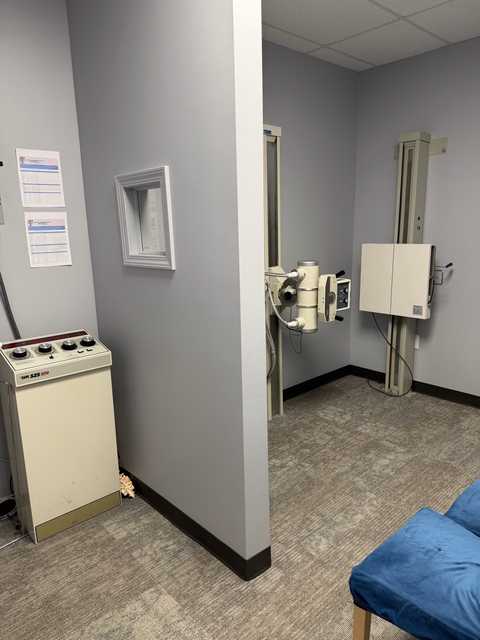
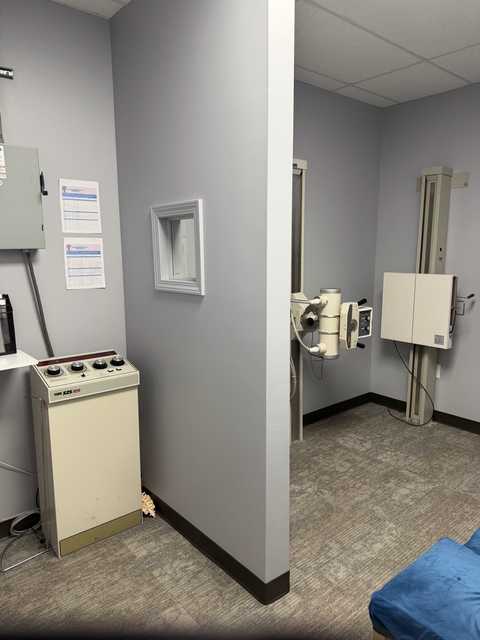
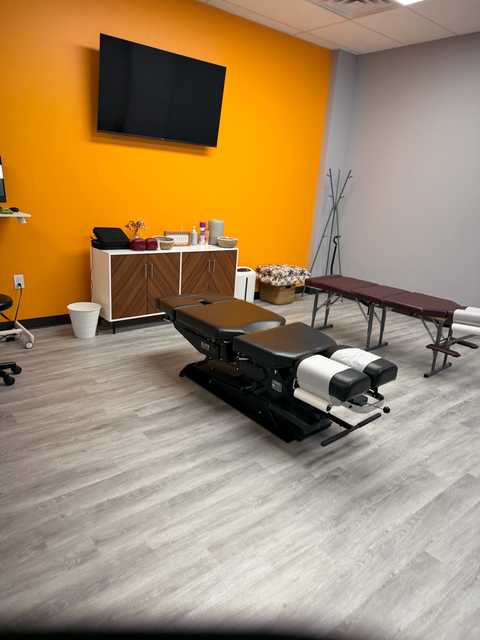
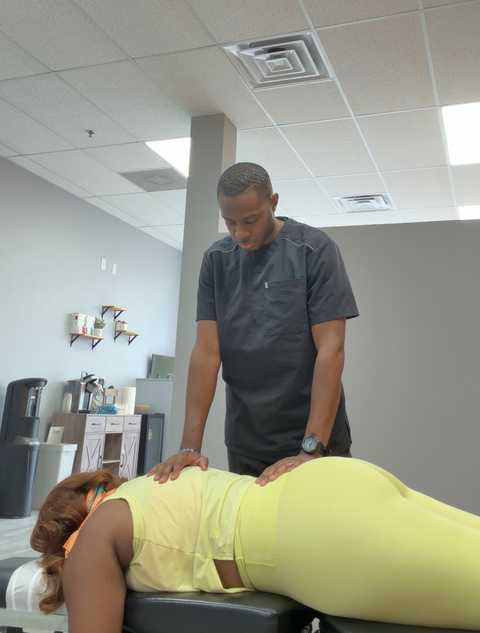
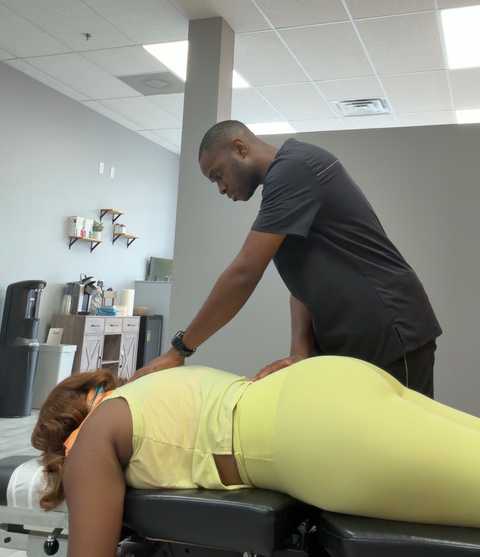
See examples of our Webster Technique work and results.







What Our Clients Say
$$MultiPurposeText$$
Read testimonials from our satisfied customers

Dr. Matthew was amazing. Hes so respectful and helpful HIGHLY RECOMMEND

Dr Matt is a Pro!

I had a great experience here getting adjusted. They also have a massage therapist there a...more

Absolutely love this place. Best chiropractor I’ve experienced 100%

Great customer service. Dr Richmond provides you with a personal experience by sharing inf...more

Dr Richmond is very knowledgeable. He listens to your concerns. I’d recommend others for h...more

Frequently Asked Questions
Get answers to common questions about Webster Technique.
The Webster Technique is a prenatal chiropractic method focusing on sacral alignment and soft tissue balance to optimize pelvic function. By reducing torsion and tension, it can improve maternal comfort and encourage favorable fetal positioning, potentially supporting a smoother labor.
When performed by a trained prenatal chiropractor, the Webster Technique is generally safe. Certain conditions—like placenta previa, preterm labor risk, or other obstetric complications—may contraindicate treatment. Always consult your obstetric provider and our chiropractor before beginning care.
You can begin Webster Technique care any time during pregnancy after a clinical evaluation, though many start in the second trimester. Timing depends on pelvic imbalance, fetal position concerns, and individual needs; your chiropractor will recommend an appropriate schedule.
Session needs vary: some patients notice change after one visit while others require several weeks of care. Your chiropractor will assess alignment severity, response to adjustments, and develop a personalized plan, typically scheduling follow-ups every one to two weeks.
Research is limited and results vary, but improving pelvic balance and fetal positioning may reduce certain labor interventions. The Webster Technique is not a guaranteed prevention for complications or cesarean delivery; it’s one component of supportive prenatal care.
Appointments begin with a pregnancy history and gentle physical exam to evaluate pelvis and sacrum. The Webster Technique uses low-force adjustments and soft tissue work, takes about 15–30 minutes, and may include posture advice and follow-up scheduling.