

Pelvic Pain Alignment Gallery
$$MultiPurposeText$$
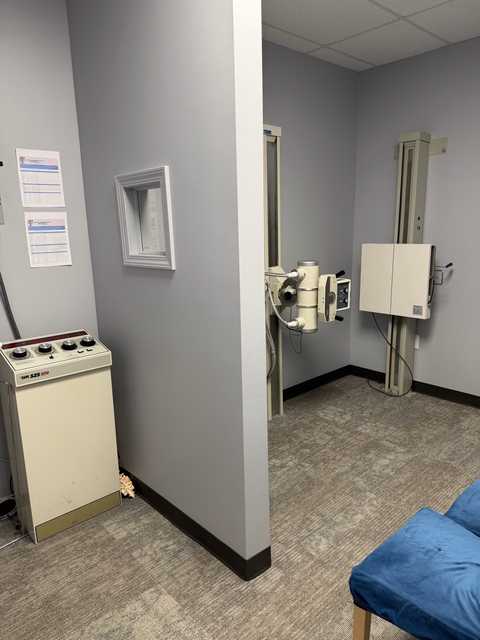
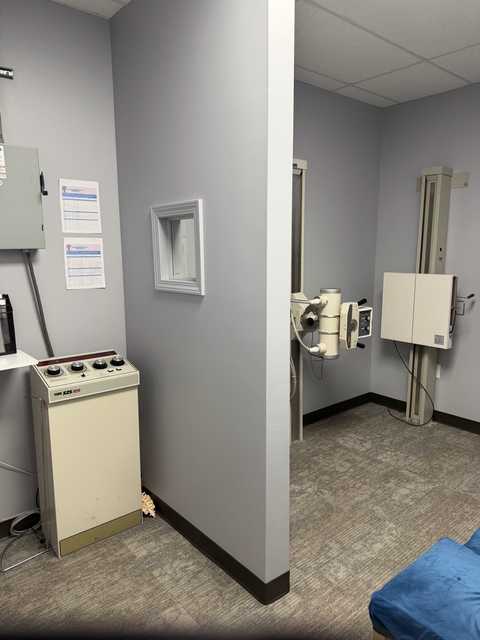
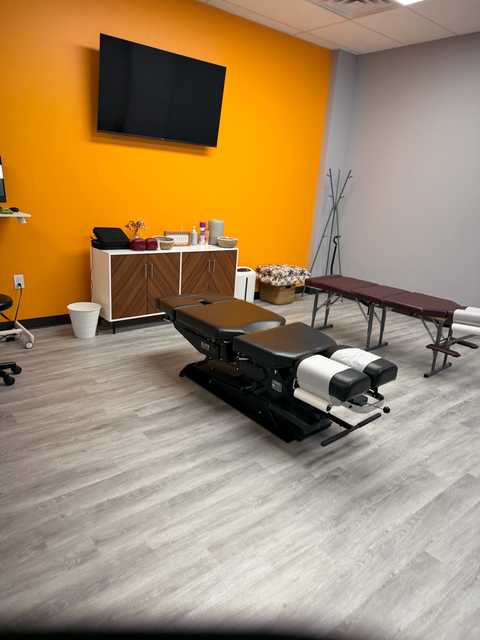
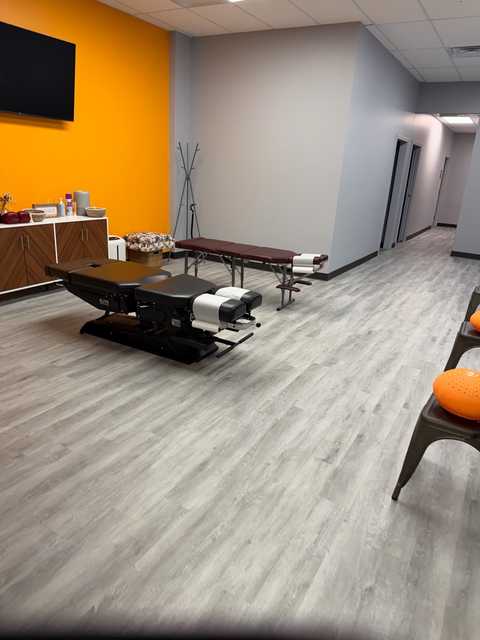
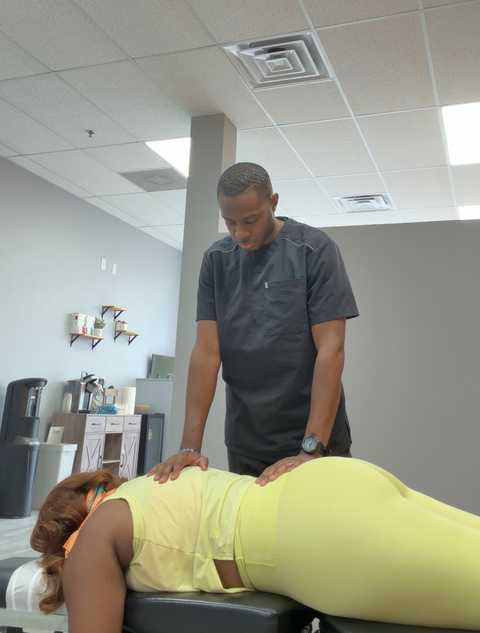
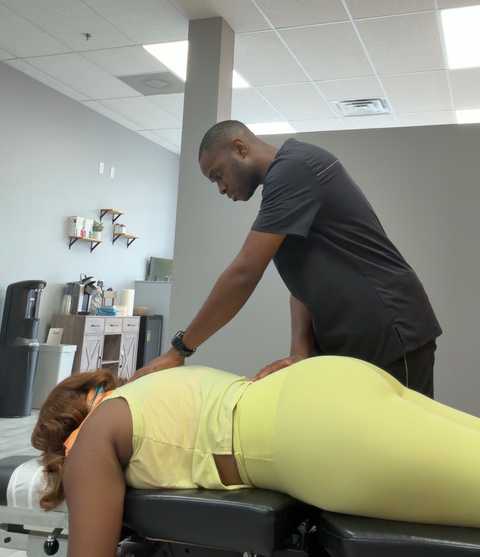
See examples of our Pelvic Pain Alignment work and results.





What Our Clients Say
$$MultiPurposeText$$
Read testimonials from our satisfied customers

Dr. Matthew was amazing. Hes so respectful and helpful HIGHLY RECOMMEND

Dr Matt is a Pro!

I had a great experience here getting adjusted. They also have a massage therapist there a...more

Absolutely love this place. Best chiropractor I’ve experienced 100%

Great customer service. Dr Richmond provides you with a personal experience by sharing inf...more

Dr Richmond is very knowledgeable. He listens to your concerns. I’d recommend others for h...more

Frequently Asked Questions
Get answers to common questions about Pelvic Pain Alignment.
Pelvic Pain Alignment uses chiropractic techniques, including the Webster Technique, to correct pelvic misalignment. By restoring balance, it relieves pain, supports optimal fetal positioning, and improves mobility. Treatments are tailored to prenatal safety and aim to enhance comfort throughout pregnancy and childbirth.
Yes, when performed by a trained prenatal chiropractor. We adapt techniques and pressure to each trimester, prioritize safety, and screen for contraindications. Clear communication and gentle adjustments ensure treatments are appropriate throughout most pregnancies.
Treatment frequency varies by severity, alignment, and stage of pregnancy. Many clients notice improvement after one to three sessions, while ongoing weekly or biweekly visits can maintain alignment until delivery. Your chiropractor will recommend a personalized plan.
The goal is to improve pelvic balance to encourage optimal fetal positioning, not to directly manipulate the baby. Webster Technique supports pelvic symmetry, which can promote better engagement. We monitor responses and avoid any interventions that might compromise safety.
Coverage varies by plan and provider. Many insurances cover medically necessary chiropractic care; prenatal-focused treatments may require preauthorization or a physician referral. Our office can verify benefits, submit claims, and discuss affordable self-pay options if needed.
Appointments include intake, prenatal history, and gentle assessment of pelvic alignment. We may use the Webster Technique, soft tissue work, and targeted stretches. Sessions are comfortable, brief, and include home exercises to support alignment and pain relief between visits.