

Joint Pain Management Gallery
$$MultiPurposeText$$
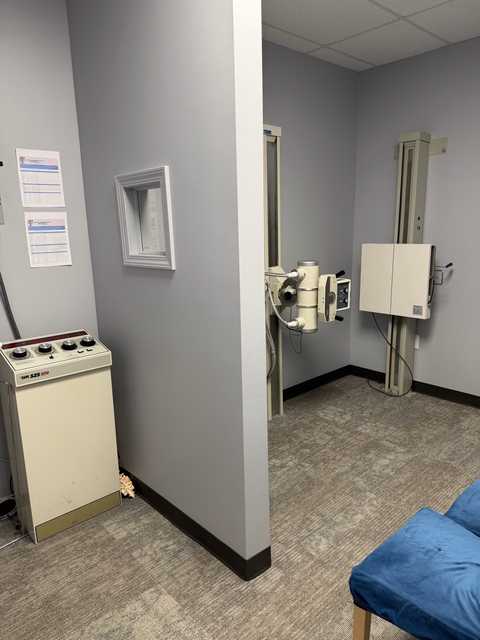
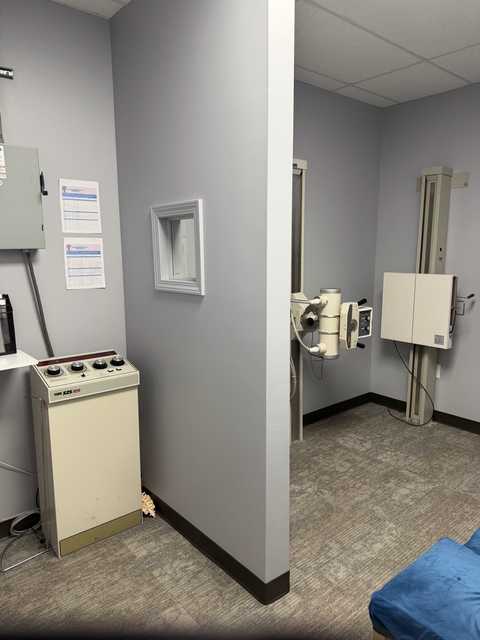
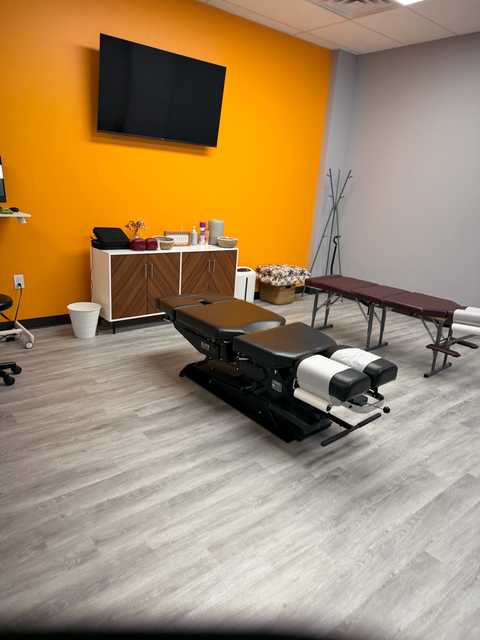
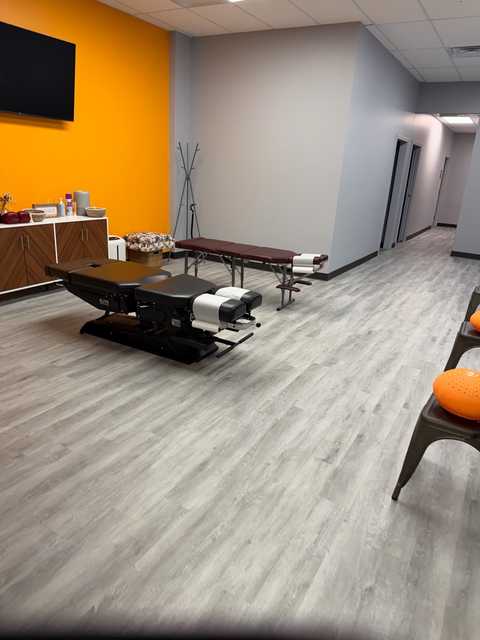
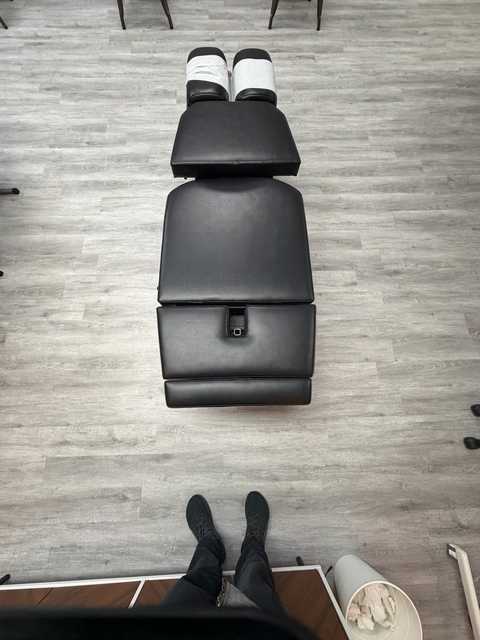
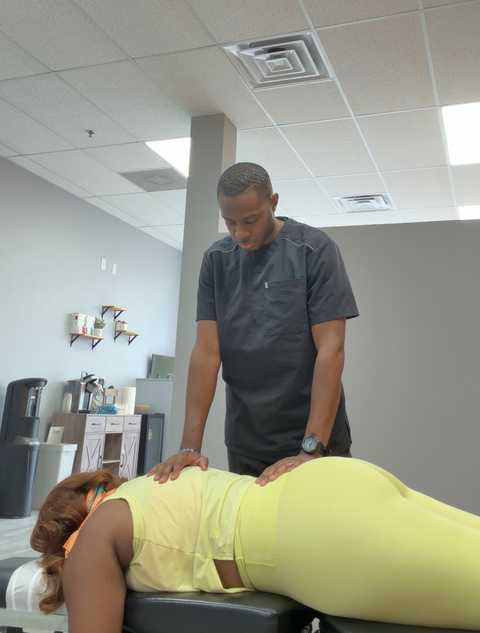
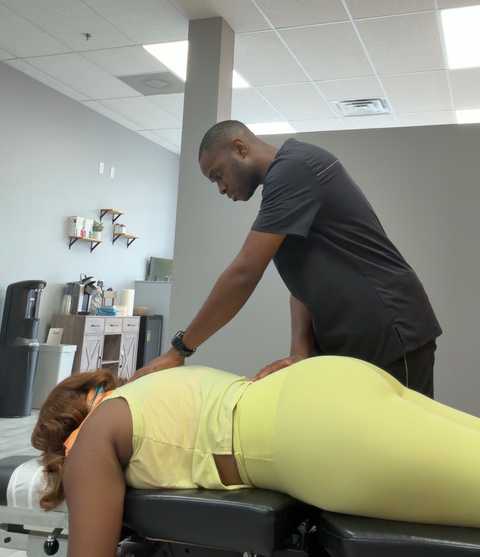
See examples of our Joint Pain Management work and results.





What Our Clients Say
$$MultiPurposeText$$
Read testimonials from our satisfied customers

Dr. Matthew was amazing. Hes so respectful and helpful HIGHLY RECOMMEND

Dr Matt is a Pro!

I had a great experience here getting adjusted. They also have a massage therapist there a...more

Absolutely love this place. Best chiropractor I’ve experienced 100%

Great customer service. Dr Richmond provides you with a personal experience by sharing inf...more

Dr Richmond is very knowledgeable. He listens to your concerns. I’d recommend others for h...more

Frequently Asked Questions
Get answers to common questions about Joint Pain Management.
Yes. At Connected Health Suwanee we tailor Joint Pain Management throughout pregnancy. We use gentle, evidence-based techniques, consider trimester-specific needs, and screen medical history. Treatments focus on safety, comfort, and maintaining joint stability for mother and baby.
Commonly treated areas include the pelvis, sacroiliac joints, hips, knees, and shoulders. Hormonal laxity affects multiple joints; our chiropractic adjustments and supportive exercises focus on alignment and muscular balance to reduce pain and improve function across these regions.
Treatment frequency varies; many pregnant clients notice improvement after a few visits. A tailored plan often starts with weekly sessions, then tapers to biweekly or monthly maintenance based on symptom resolution and joint stability.
Many patients experience noticeable relief after initial gentle adjustments, though response times vary. Our focus is safe, gradual improvement of alignment and function to relieve pain without stressing joints. We combine adjustments with education and exercises for longer-lasting results.
Yes. Prenatal techniques are adapted for comfort and safety—using gentler forces, pregnancy-specific positioning, and specialized tables. At Connected Health Suwanee we modify adjustments and incorporate soft tissue work, exercise, and supportive advice to protect joints and accommodate the growing body.
Often not required, but we recommend coordination with your obstetric provider if you have high-risk pregnancy, recent complications, or medical concerns. We obtain medical history, communicate with other providers when appropriate, and only proceed with treatments deemed safe.