

Spinal Misalignments Correction Gallery
$$MultiPurposeText$$
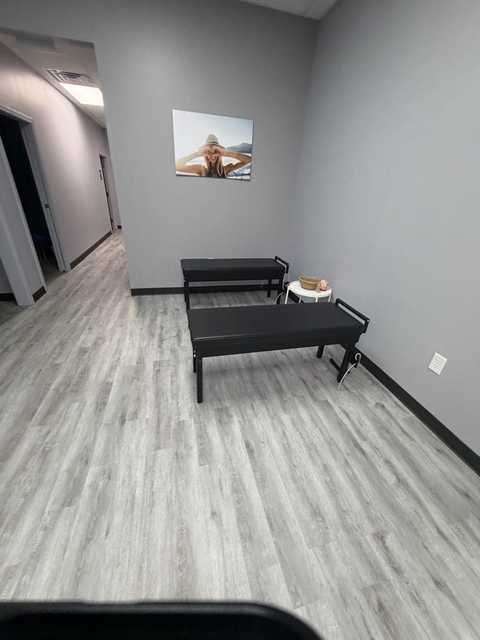
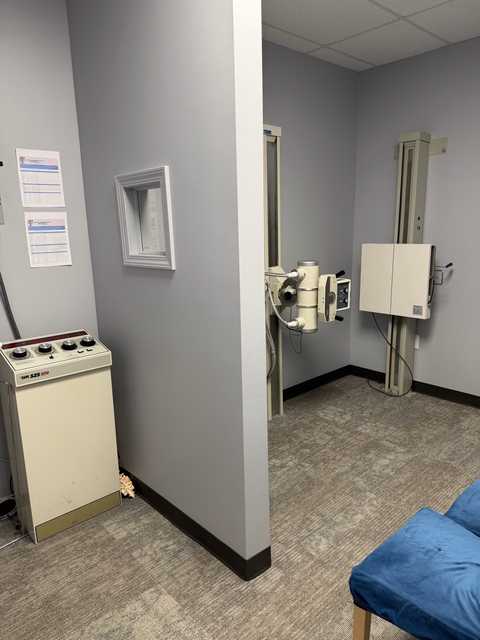
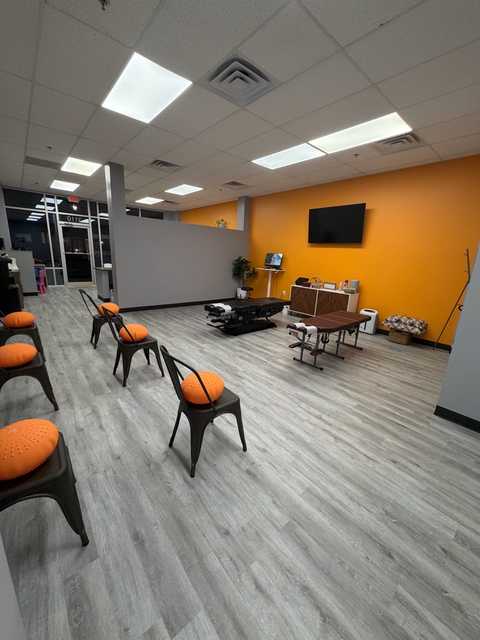
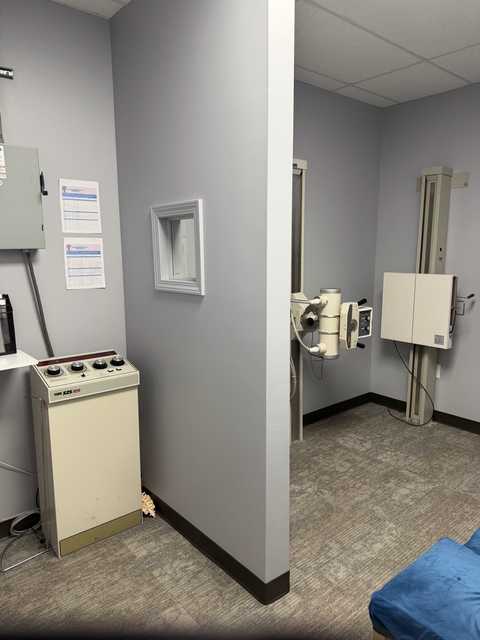
See examples of our Spinal Misalignments Correction work and results.
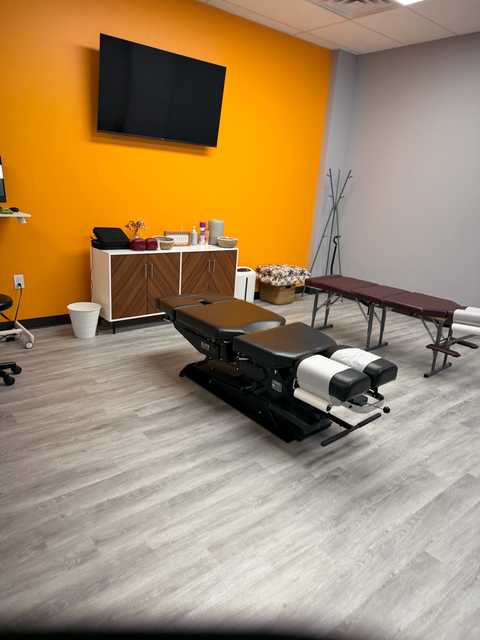
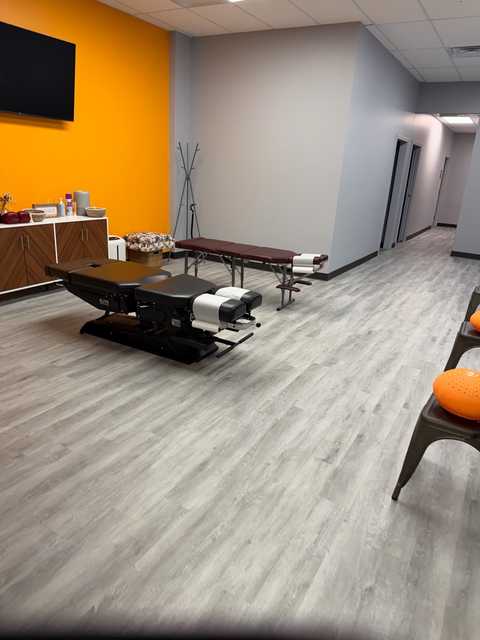
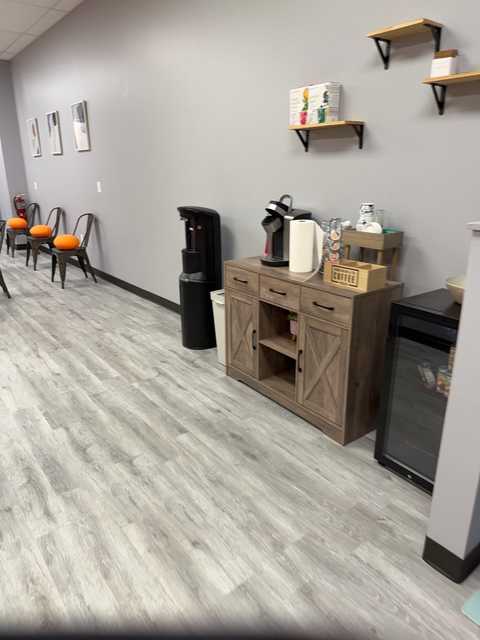
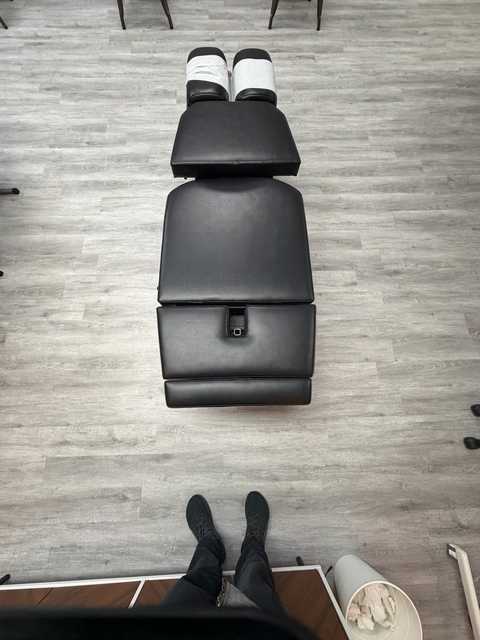
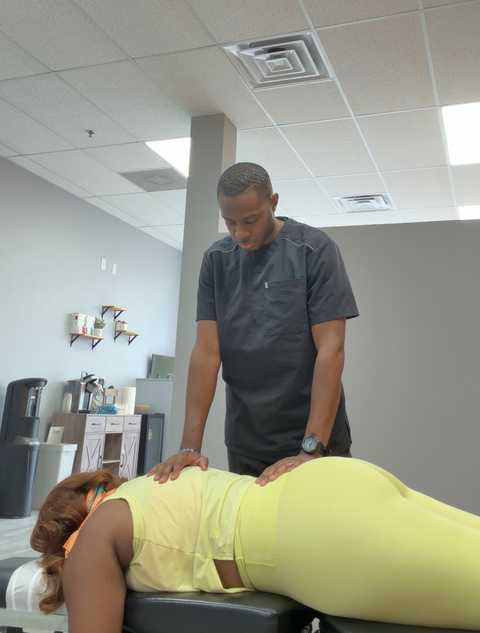
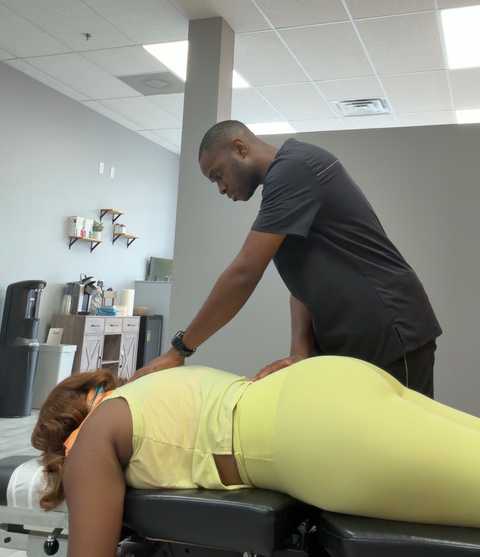


What Our Clients Say
$$MultiPurposeText$$
Read testimonials from our satisfied customers

Dr. Matthew was amazing. Hes so respectful and helpful HIGHLY RECOMMEND

Dr Matt is a Pro!

I had a great experience here getting adjusted. They also have a massage therapist there a...more

Absolutely love this place. Best chiropractor I’ve experienced 100%

Great customer service. Dr Richmond provides you with a personal experience by sharing inf...more

Dr Richmond is very knowledgeable. He listens to your concerns. I’d recommend others for h...more

Frequently Asked Questions
Get answers to common questions about Spinal Misalignments Correction.
Spinal Misalignments Correction uses skilled chiropractic adjustments to realign vertebrae, reduce joint restriction, and relieve nerve compression. Our clinicians assess posture and mobility, then apply precise forces to restore motion and promote natural healing, improving posture, function, and pain levels over time.
Most patients, including older adults, can safely receive tailored adjustments. We perform a thorough health history and gentle techniques when bone density is a concern, prioritizing low-force methods and collaborative care with your physician as needed.
Treatment frequency varies by condition severity, chronicity, and individual response. Many patients notice improvement within a few visits, while structured plans typically span several weeks with scheduled adjustments, home exercises, and reassessment to achieve lasting spinal alignment and symptom relief.
Adjustments are generally comfortable; some patients feel mild soreness or stiffness afterward similar to exercise. We use gentle techniques and communicate throughout treatment, adjusting force and approach to minimize discomfort and promote safe, effective alignment corrections.
Yes. Misalignments in the neck and upper spine can trigger tension headaches and nerve irritation. Corrective adjustments often reduce mechanical stress, relieving headache frequency and intensity, and improving nerve-related symptoms when combined with posture work and home care recommendations.
Not always. We perform a clinical evaluation and use imaging when indicated to rule out fractures, severe degeneration, or other contraindications. X-rays or other scans help plan precise corrections when safety or structural detail is necessary.