

Poor Posture Correction Gallery
$$MultiPurposeText$$
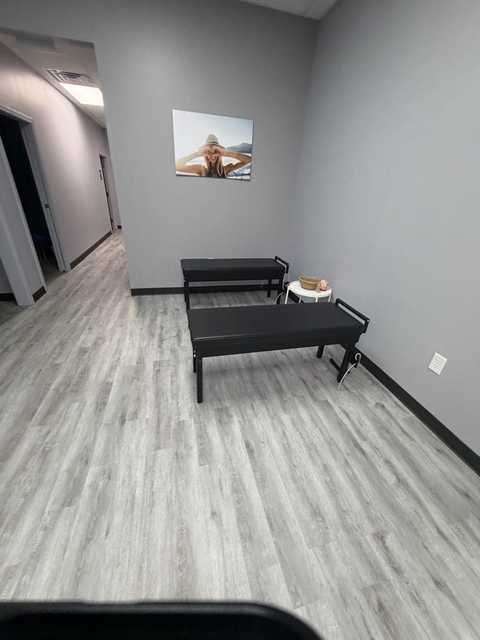
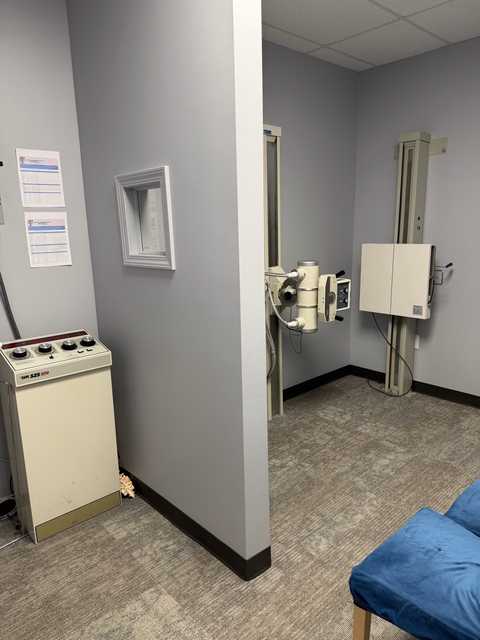
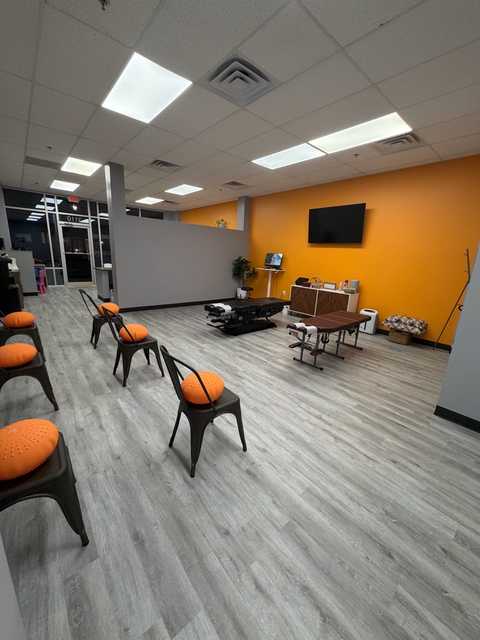
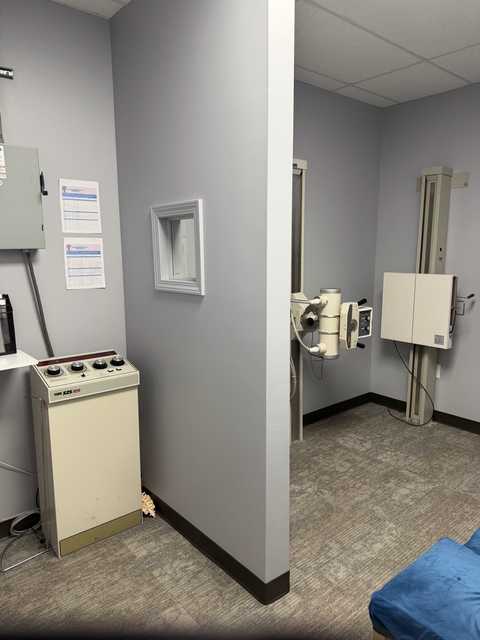
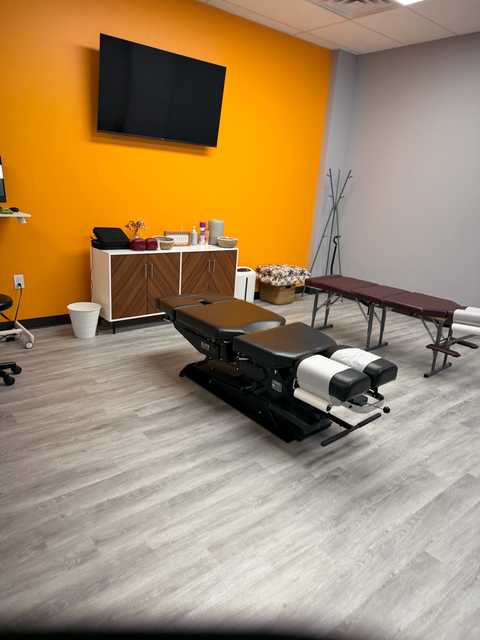
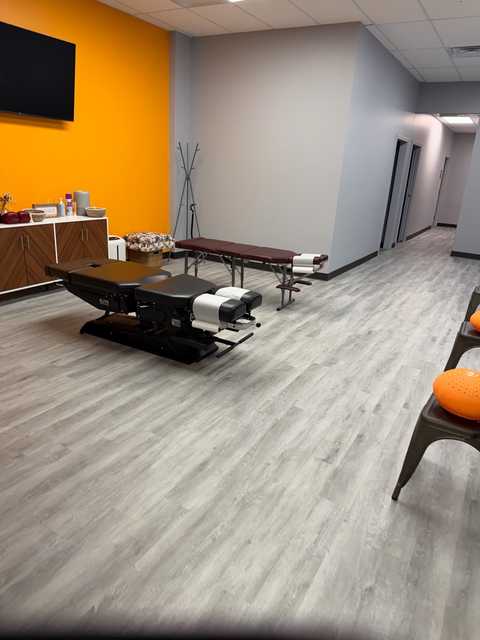
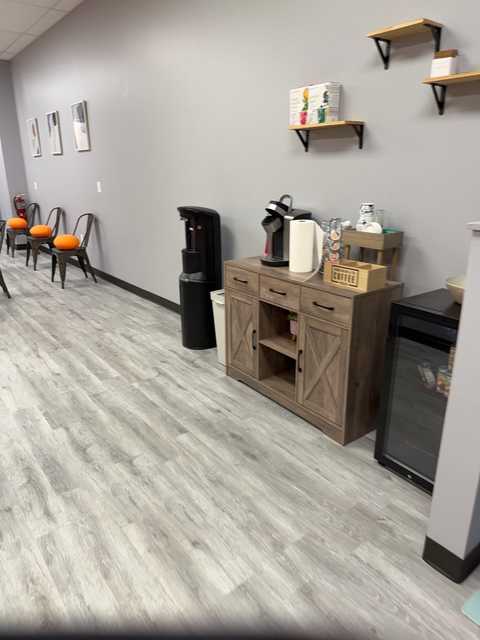
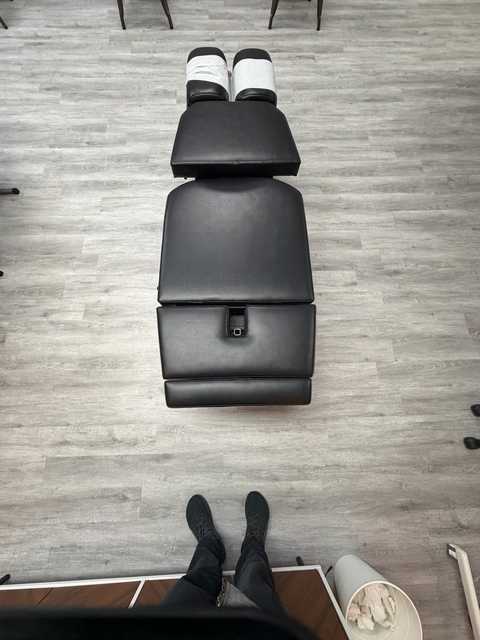
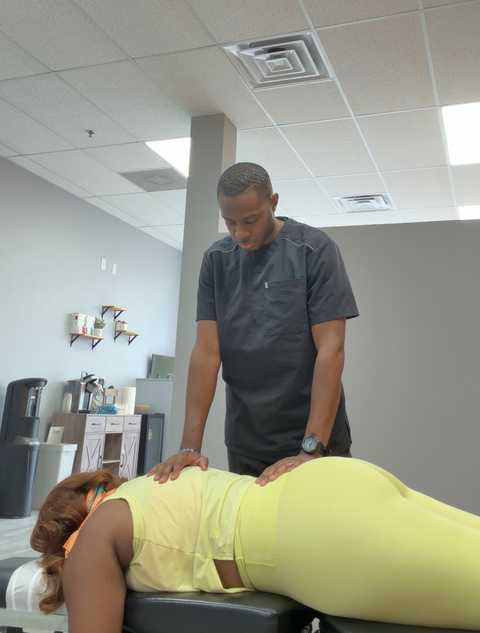
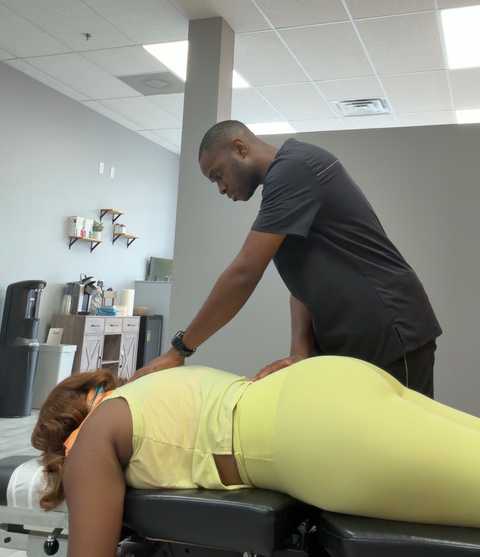
See examples of our Poor Posture Correction work and results.


What Our Clients Say
$$MultiPurposeText$$
Read testimonials from our satisfied customers

Dr. Matthew was amazing. Hes so respectful and helpful HIGHLY RECOMMEND

Dr Matt is a Pro!

I had a great experience here getting adjusted. They also have a massage therapist there a...more

Absolutely love this place. Best chiropractor I’ve experienced 100%

Great customer service. Dr Richmond provides you with a personal experience by sharing inf...more

Dr Richmond is very knowledgeable. He listens to your concerns. I’d recommend others for h...more

Frequently Asked Questions
Get answers to common questions about Poor Posture Correction.
Most patients notice improved comfort within two to six weeks, though measurable postural changes often require eight to twelve weeks of consistent treatment and home exercises. Progress depends on posture severity, consistency, and ergonomic changes to daily routines.
Adjustments and soft-tissue work can feel unusual but are generally not painful. Our chiropractors use gentle techniques and personalized approaches to minimize discomfort while restoring alignment and easing muscle tension during Poor Posture Correction.
Yes. By realigning the spine and decreasing neck muscle strain, Poor Posture Correction often reduces tension headaches and chronic neck pain. We assess triggers and combine adjustments, soft tissue therapy, and exercises for lasting relief.
Initial care typically involves two to three visits weekly for several weeks to correct alignment and build strength. As posture improves, visits reduce to weekly or monthly maintenance. Treatment frequency varies with individual needs and response to care.
Absolutely. Home exercises and ergonomic coaching are core parts of Poor Posture Correction. You’ll receive tailored stretches, strengthening routines, and workstation recommendations to reinforce clinic care and support lasting postural improvements between visits.
Many insurance plans cover chiropractic assessments and medically necessary treatments, though coverage varies. We can verify benefits before care and offer affordable options or payment plans if needed. Contact our team to check your specific plan for Poor Posture Correction coverage.