

Neck Pain And Tension Relief Gallery
$$MultiPurposeText$$
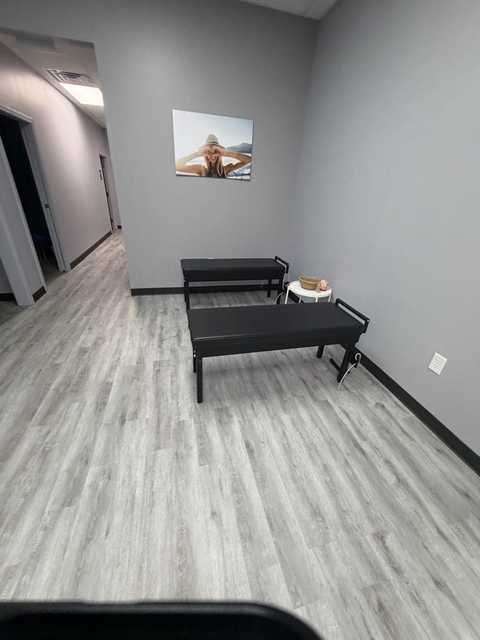
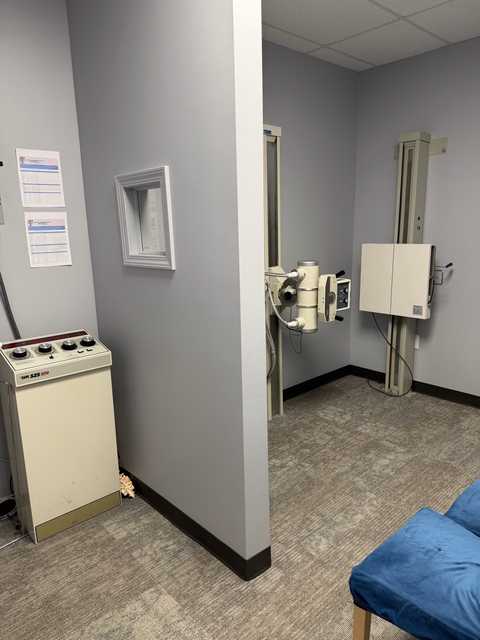
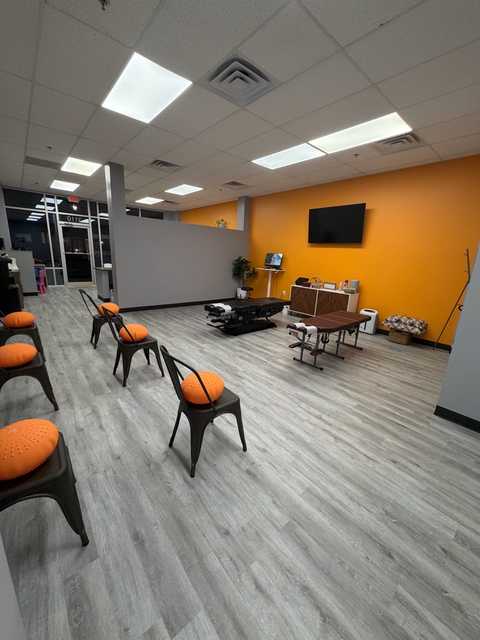
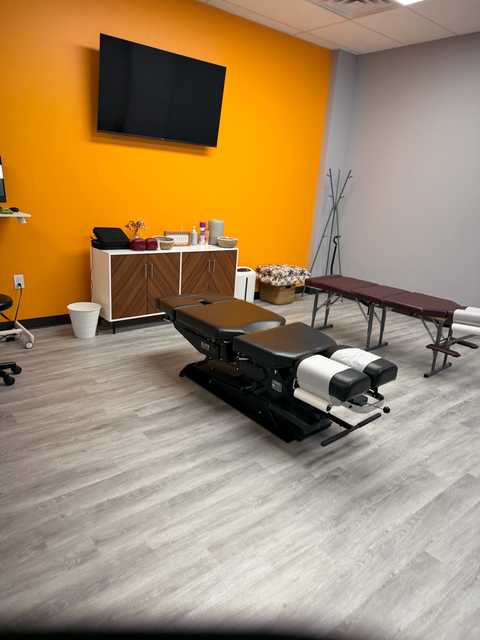
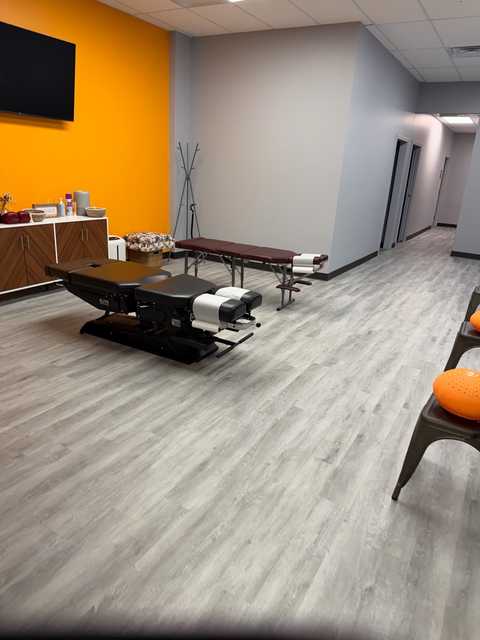
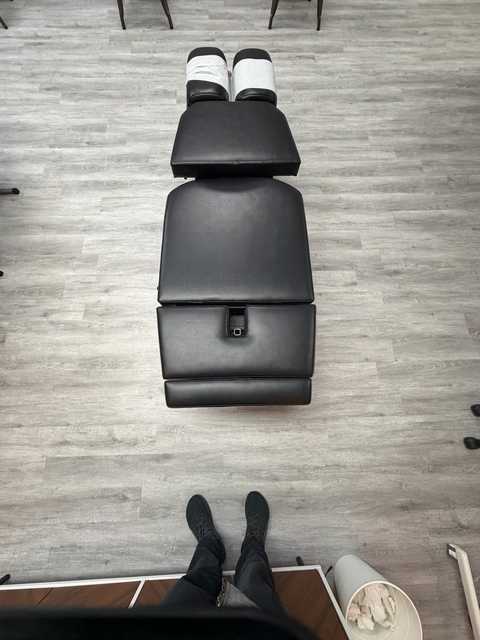
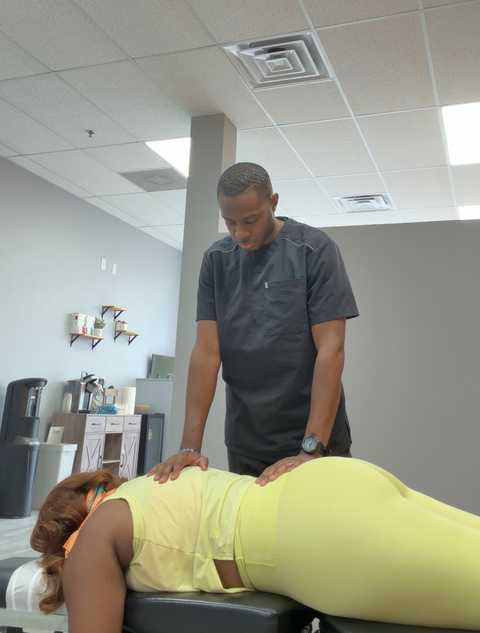
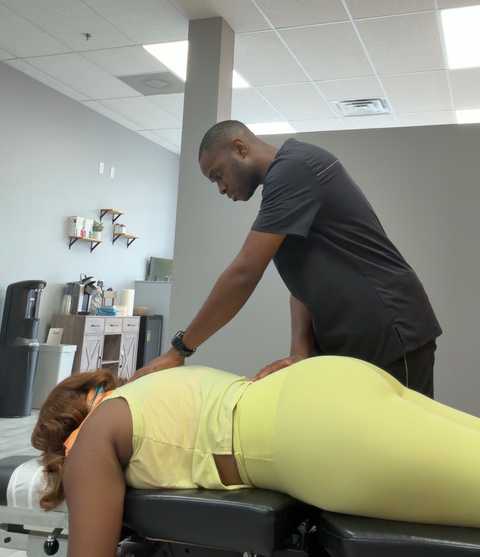
See examples of our Neck Pain And Tension Relief work and results.


What Our Clients Say
$$MultiPurposeText$$
Read testimonials from our satisfied customers

Dr. Matthew was amazing. Hes so respectful and helpful HIGHLY RECOMMEND

Dr Matt is a Pro!

I had a great experience here getting adjusted. They also have a massage therapist there a...more

Absolutely love this place. Best chiropractor I’ve experienced 100%

Great customer service. Dr Richmond provides you with a personal experience by sharing inf...more

Dr Richmond is very knowledgeable. He listens to your concerns. I’d recommend others for h...more

Frequently Asked Questions
Get answers to common questions about Neck Pain And Tension Relief.
Neck pain often stems from forward head posture, prolonged device use, stress-related muscle guarding, and repetitive motions. Our Neck Pain And Tension Relief approach identifies contributing habits, realigns the cervical spine, and eases muscle tension to address both symptoms and root causes.
Treatment length varies by pain severity and duration. Acute cases may need four to six sessions, while chronic or posture-related problems often require eight to twelve plus home exercises. We reassess progress and adjust care to achieve lasting neck health.
Yes — when performed by a licensed chiropractor after a thorough evaluation. We screen for contraindications and use gentle, evidence-based cervical techniques. If adjustments aren’t appropriate, we offer safe alternatives like mobilization, soft-tissue work, and rehabilitative exercises to relieve tension.
Often yes — by reducing cervical joint dysfunction and relieving muscle tension we can decrease cervicogenic headaches. Many patients notice improvement after a few sessions; sustained relief usually combines adjustments, soft-tissue therapy, posture correction, and home care to prevent recurrence.
Sessions blend gentle cervical adjustments, joint mobilization, soft-tissue release, targeted stretching, and instrument-assisted techniques when needed. We also provide posture training, ergonomic advice, and strengthening exercises to address underlying causes and support long-term neck health and function.
Yes — improving posture and strengthening supportive muscles greatly reduces recurrence risk. Ongoing ergonomic adjustments, home exercises, and periodic check-ins maintain alignment and function. Our Neck Pain And Tension Relief program emphasizes prevention so benefits last beyond immediate symptom relief.