

Headaches And Migraines Reduction Gallery
$$MultiPurposeText$$
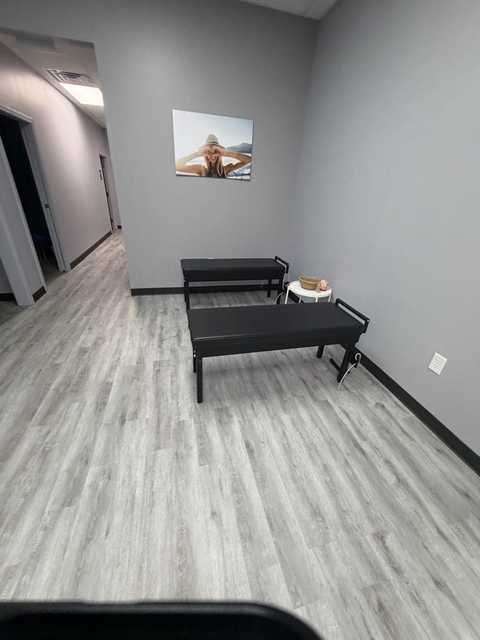
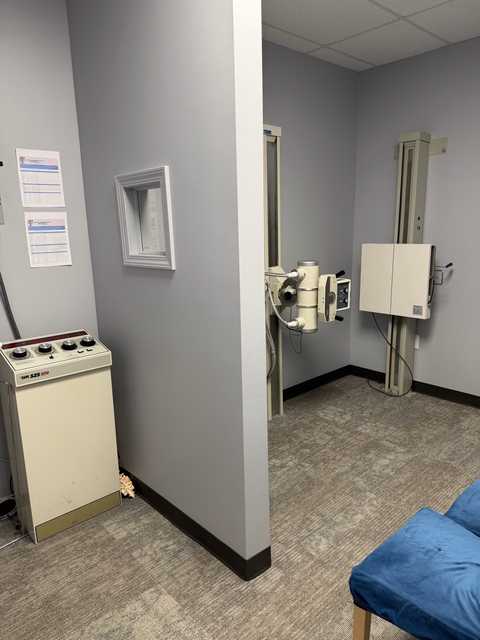
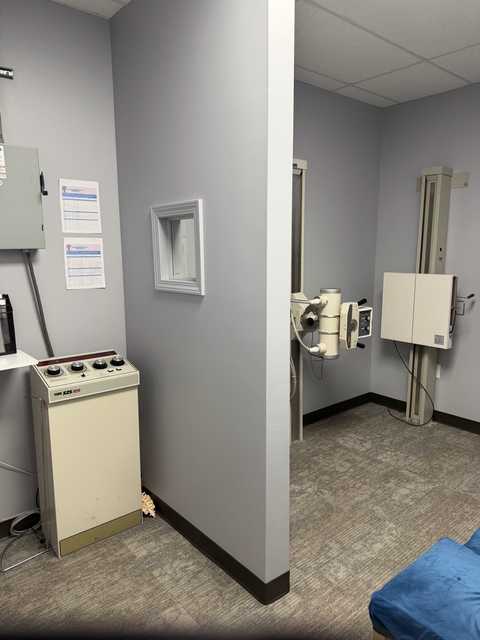
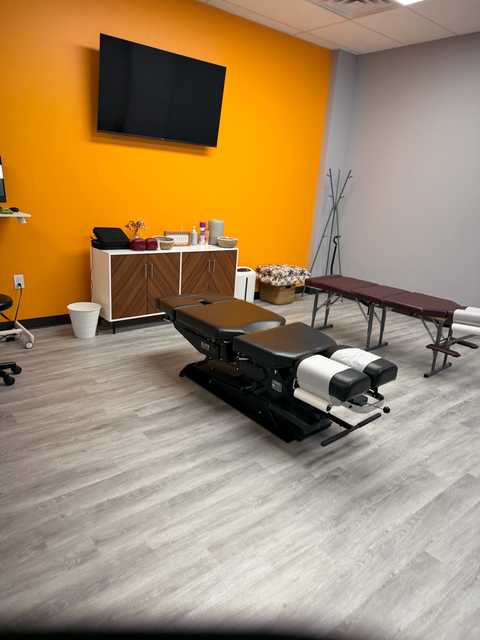
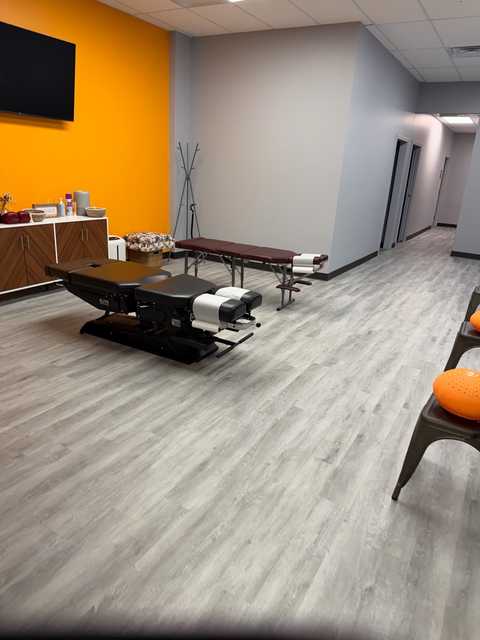
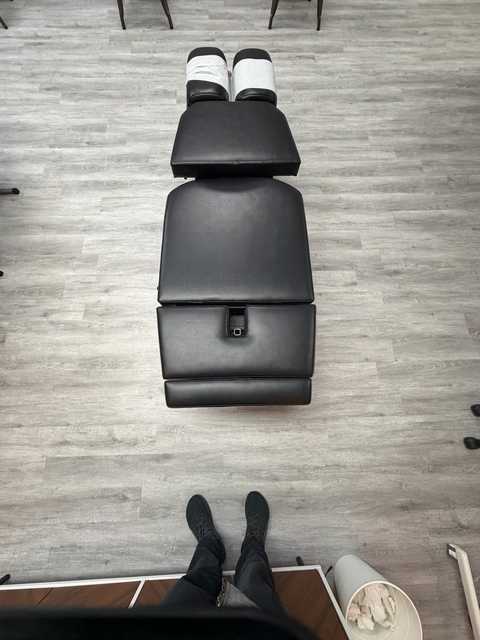
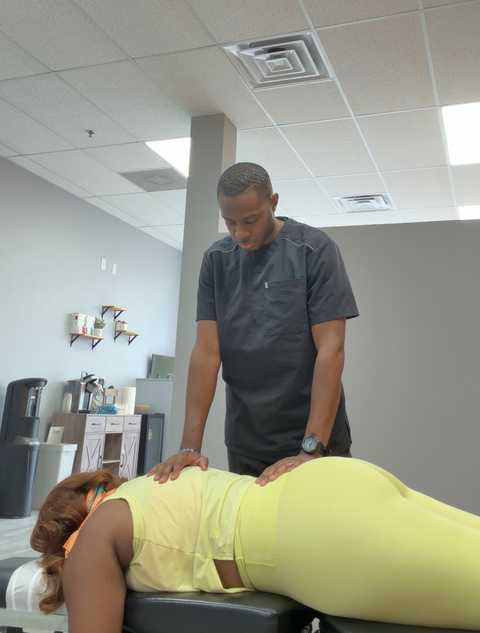
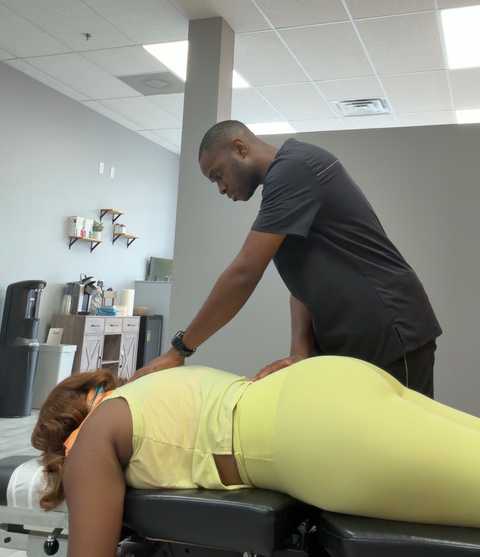
See examples of our Headaches And Migraines Reduction work and results.




What Our Clients Say
$$MultiPurposeText$$
Read testimonials from our satisfied customers

Dr. Matthew was amazing. Hes so respectful and helpful HIGHLY RECOMMEND

Dr Matt is a Pro!

I had a great experience here getting adjusted. They also have a massage therapist there a...more

Absolutely love this place. Best chiropractor I’ve experienced 100%

Great customer service. Dr Richmond provides you with a personal experience by sharing inf...more

Dr Richmond is very knowledgeable. He listens to your concerns. I’d recommend others for h...more

Frequently Asked Questions
Get answers to common questions about Headaches And Migraines Reduction.
This program addresses spinal misalignments and poor posture that stress neck muscles and nerves. By realigning the cervical spine and teaching posture habits, many patients experience fewer and less severe tension headaches over weeks to months with consistent care.
While no treatment guarantees complete elimination, postural correction often reduces migraine frequency and intensity by addressing contributory spinal and muscular triggers. Combined with medical care and lifestyle changes, patients frequently see meaningful decreases in attack severity and need for medications.
Treatment plans vary based on posture, severity, and response. Many patients notice improvement within four to eight visits, while ongoing corrective care over eight to twelve weeks produces more durable results. Your chiropractor will provide a personalized timeline during the initial assessment.
Yes, chiropractic postural care is generally safe for most age groups. Techniques are adapted to individual needs, with gentler approaches for children and seniors. A thorough evaluation ensures appropriate methods and contraindications are reviewed before beginning care.
Your initial visit includes a detailed history, posture and spinal exams, and possibly imaging review. The chiropractor will explain findings and recommend a tailored plan combining chiropractic adjustments, posture training, and home exercises to begin reducing headache triggers.
Coverage varies by carrier and plan. Many insurance policies cover chiropractic evaluation and some treatments; we can verify benefits for you prior to care. We also offer flexible payment options and can help maximize your out-of-pocket value.