

Stress And Anxiety Reduction Gallery
$$MultiPurposeText$$
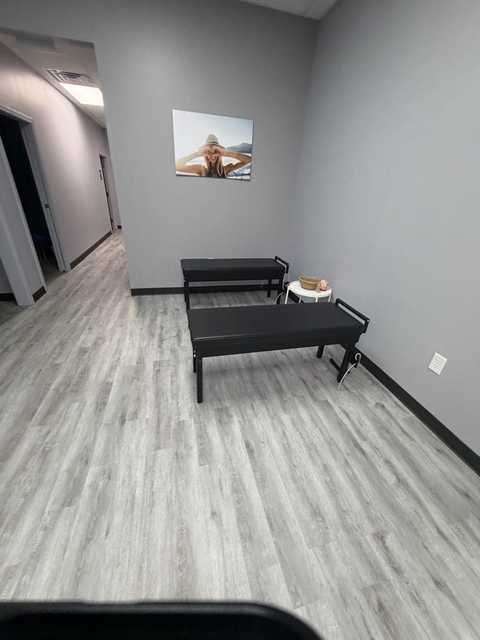
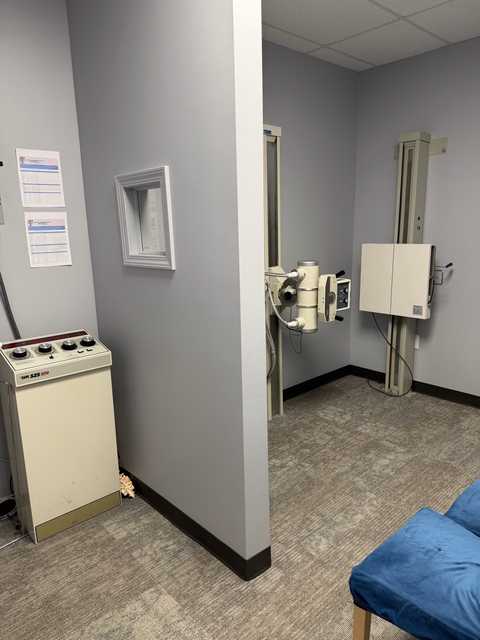
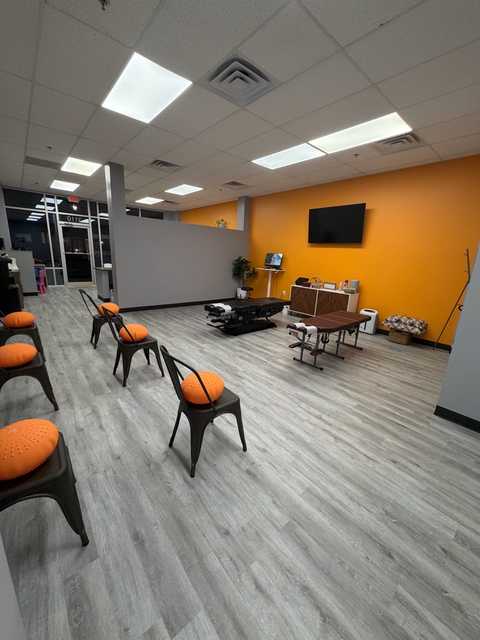
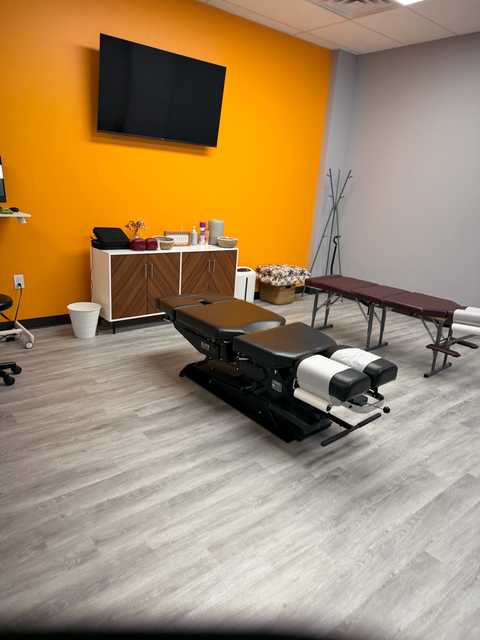
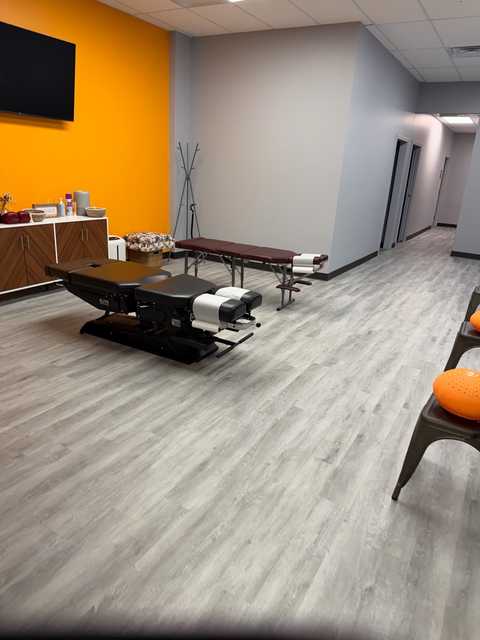
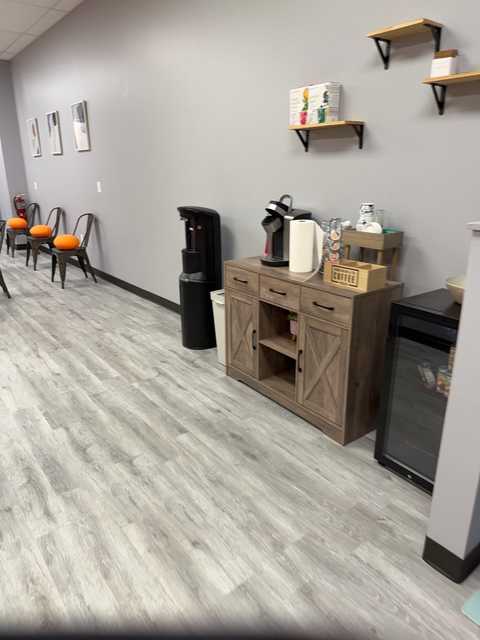
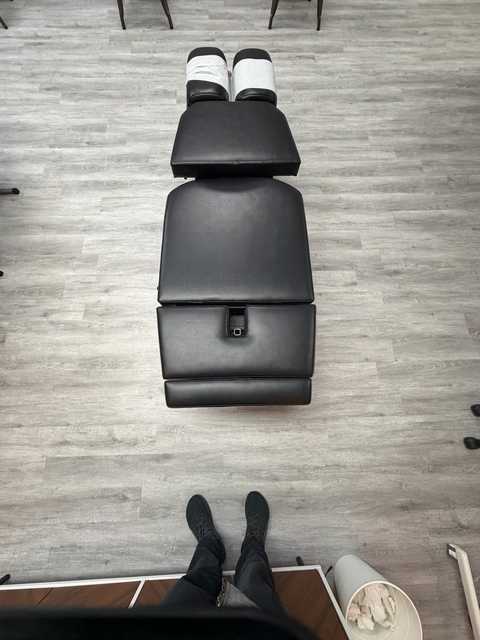
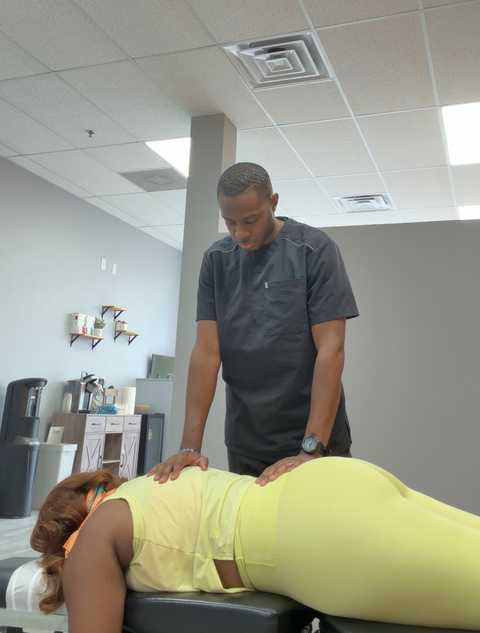
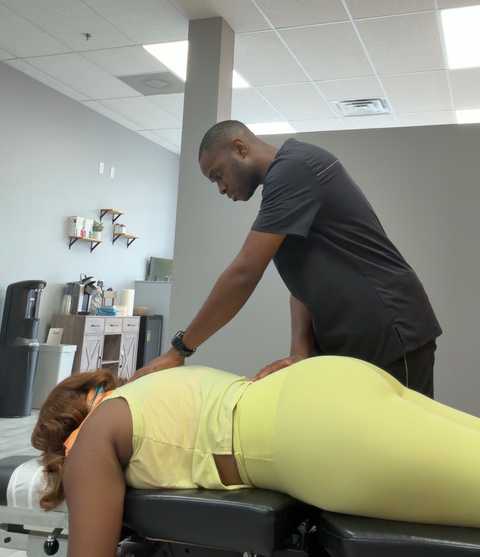
See examples of our Stress And Anxiety Reduction work and results.


What Our Clients Say
$$MultiPurposeText$$
Read testimonials from our satisfied customers

Dr. Matthew was amazing. Hes so respectful and helpful HIGHLY RECOMMEND

Dr Matt is a Pro!

I had a great experience here getting adjusted. They also have a massage therapist there a...more

Absolutely love this place. Best chiropractor I’ve experienced 100%

Great customer service. Dr Richmond provides you with a personal experience by sharing inf...more

Dr Richmond is very knowledgeable. He listens to your concerns. I’d recommend others for h...more

Frequently Asked Questions
Get answers to common questions about Stress And Anxiety Reduction.
Most clients start with weekly sessions for several weeks, then switch to biweekly or monthly maintenance. Frequency depends on stress level, response to therapy, and lifestyle. Your therapist will recommend a customized schedule based on progress and goals.
Yes. We adapt strokes, pressure, and positioning to ensure safety for pregnancy and medical sensitivities. Always disclose medical history and current medications so your therapist can modify techniques or consult with your physician when necessary.
You'll be guided into a comfortable environment, with calming music and breathwork if desired. Therapists use gentle to moderate techniques to release tension, encourage relaxation, and focus on areas holding stress. Sessions are tailored to your comfort and goals.
Appointments typically last 30 to 60 minutes depending on package and needs. Longer sessions allow deeper relaxation and more focused work on tension patterns; your therapist will confirm ideal duration during scheduling or your initial consultation.
Yes. By reducing muscle tension and calming the nervous system, this therapy often relieves tension headaches and chronic neck or shoulder tightness. Results vary; regular sessions and at-home self-care habits improve long-term outcomes.
No special preparation required. Wear comfortable clothing and arrive a few minutes early to complete intake forms. Avoid heavy meals or alcohol before your session; communicate any injuries, medications, or sensitivities to ensure a safe, effective treatment.