

Postural Issues Correction Gallery
$$MultiPurposeText$$
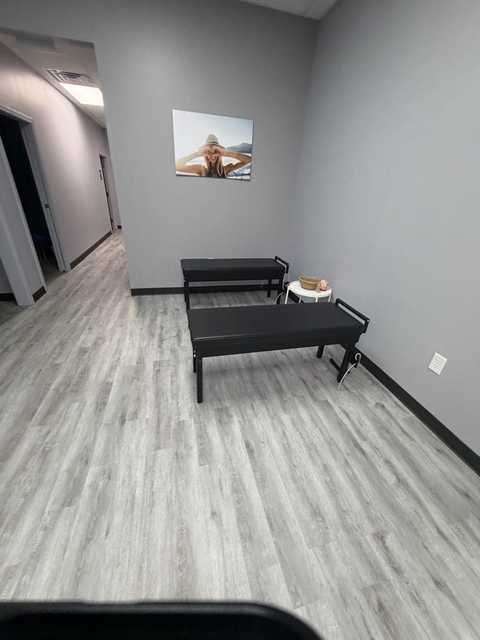
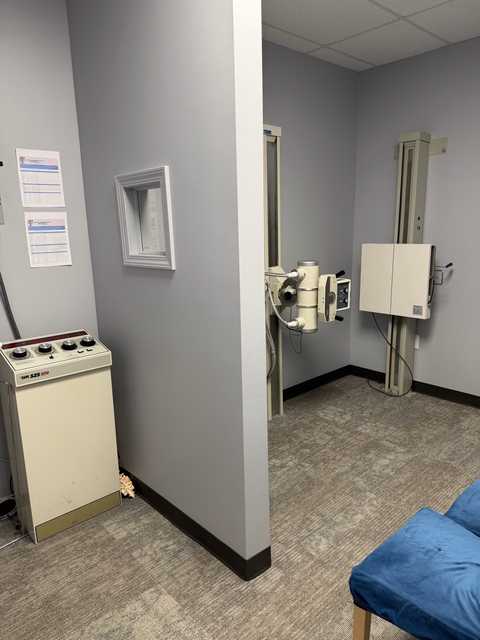
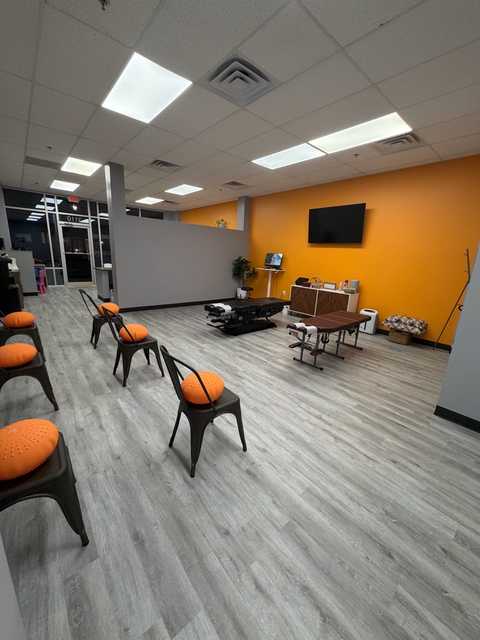
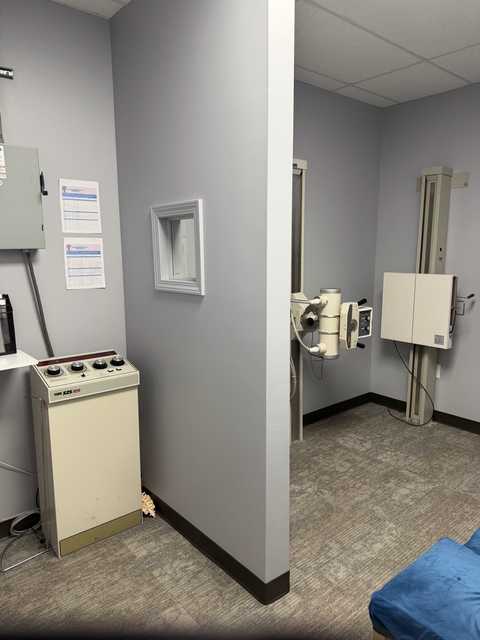
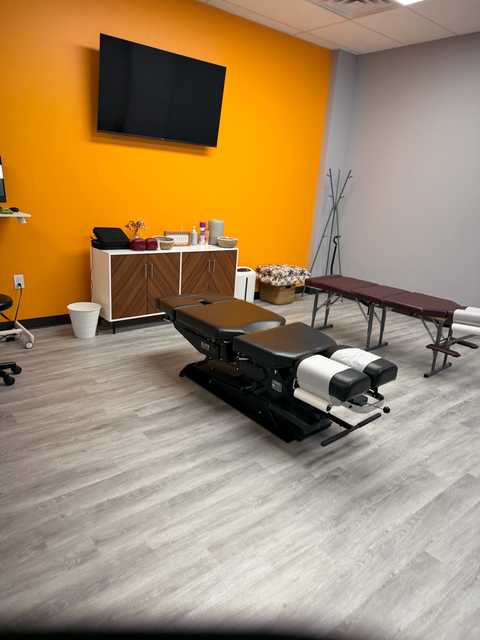
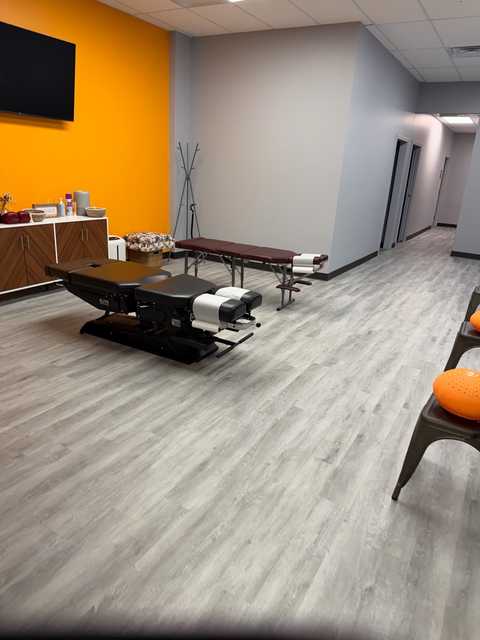
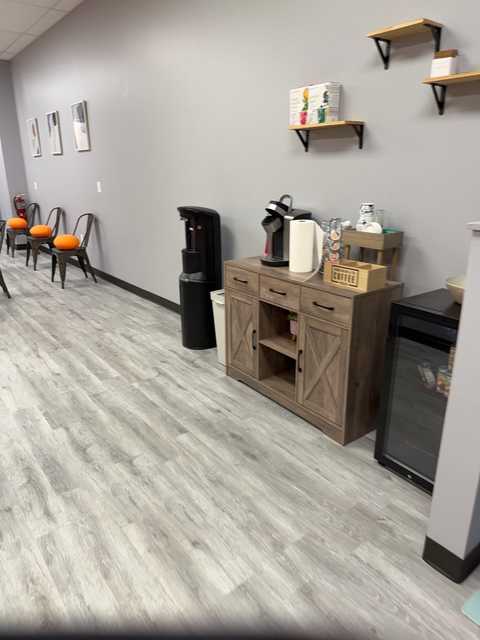
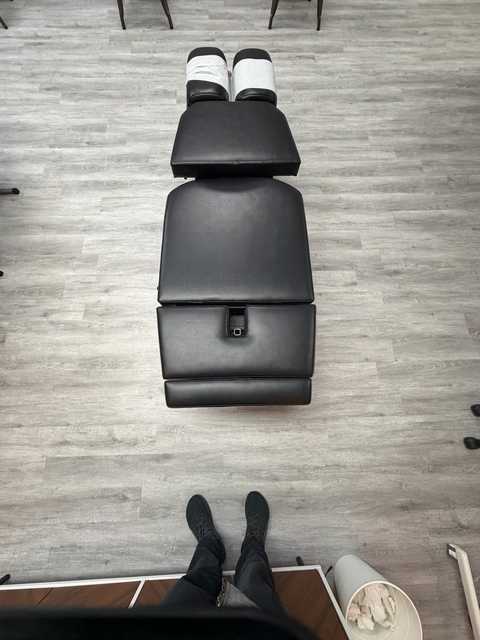
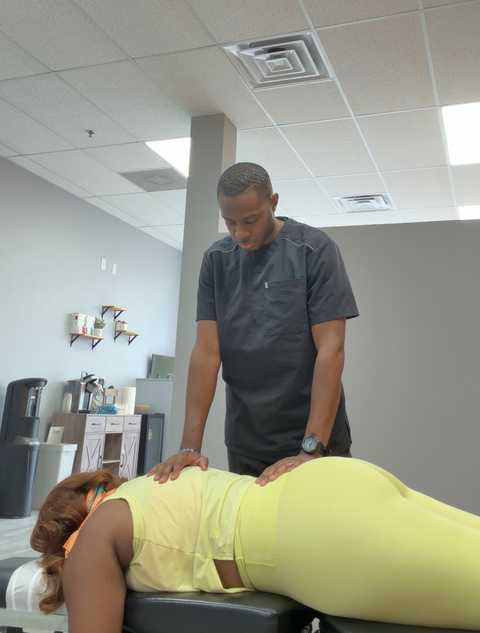
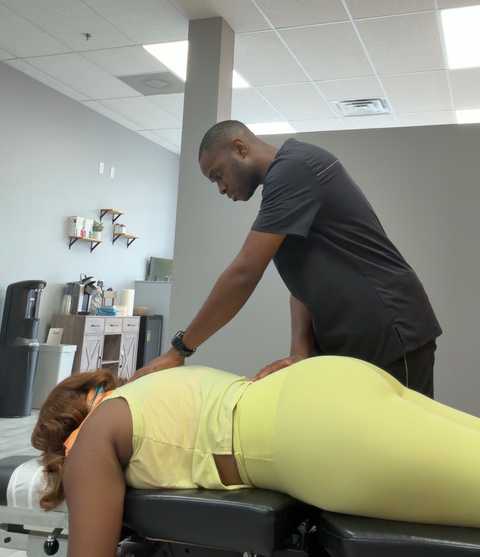
See examples of our Postural Issues Correction work and results.


What Our Clients Say
$$MultiPurposeText$$
Read testimonials from our satisfied customers

Dr. Matthew was amazing. Hes so respectful and helpful HIGHLY RECOMMEND

Dr Matt is a Pro!

I had a great experience here getting adjusted. They also have a massage therapist there a...more

Absolutely love this place. Best chiropractor I’ve experienced 100%

Great customer service. Dr Richmond provides you with a personal experience by sharing inf...more

Dr Richmond is very knowledgeable. He listens to your concerns. I’d recommend others for h...more

Frequently Asked Questions
Get answers to common questions about Postural Issues Correction.
Many clients notice reduced tension and improved posture after one to three sessions, though measurable structural realignment often requires ongoing care. Frequency, severity, and consistency of follow-up sessions determine the speed and durability of results.
Treatments are generally comfortable; you may feel pressure or temporary soreness as tight muscles release. Therapists adjust techniques to your tolerance, combining soft tissue work, mobilization, and corrective stretches for a controlled, therapeutic experience.
A typical plan ranges from six to twelve sessions over several weeks, then maintenance visits as needed. Initial assessment determines a personalized schedule based on posture imbalances, activity level, and response to treatment for optimal progress.
Yes. Targeted massage reduces muscle guarding, releases trigger points, and restores mobility in the neck and shoulders. Combined with ergonomic advice and home exercises, it often significantly reduces work-related pain and improves function.
No referral is usually required. We welcome direct appointments for assessment and treatment. If your condition requires coordination with a physician or imaging, our team will advise and assist with appropriate referrals to ensure safe, effective care.
Yes. Therapists provide simple stretching, strengthening, and posture exercises tailored to your needs. Performing these at home and following ergonomic recommendations reinforces in-clinic gains, speeds recovery, and helps prevent recurrence of poor posture and associated discomfort.