

Muscle Tension And Spasms Relief Gallery
$$MultiPurposeText$$
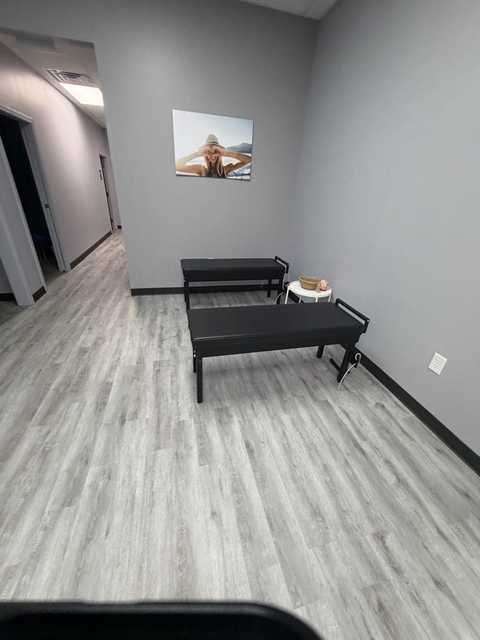
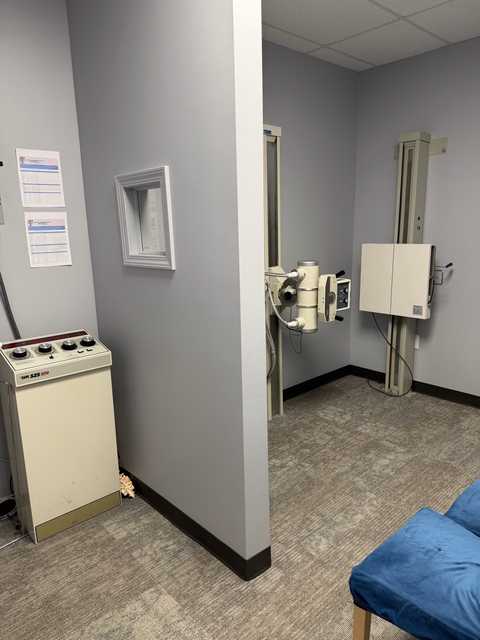
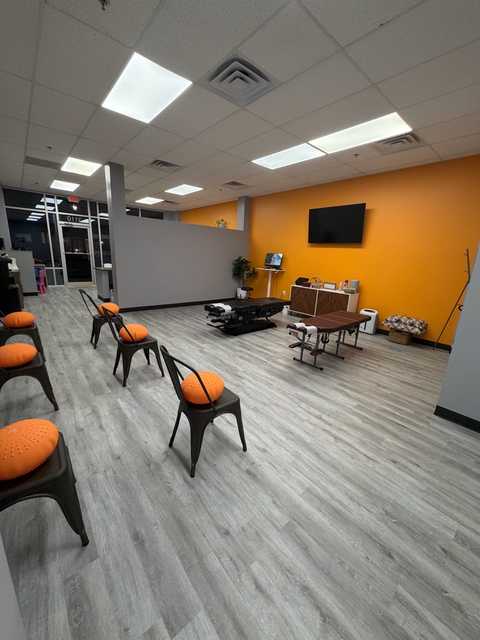
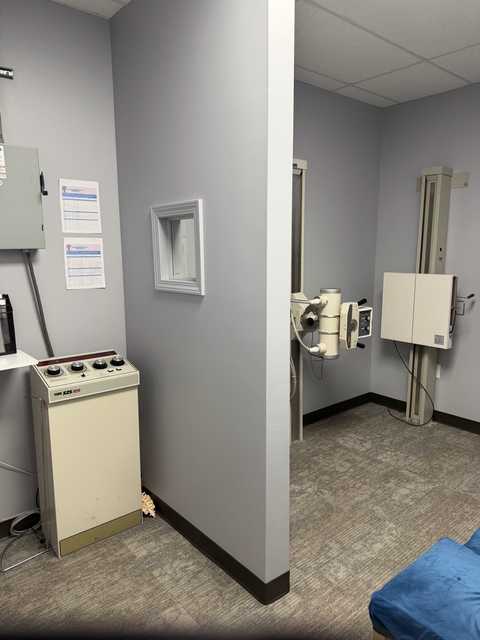
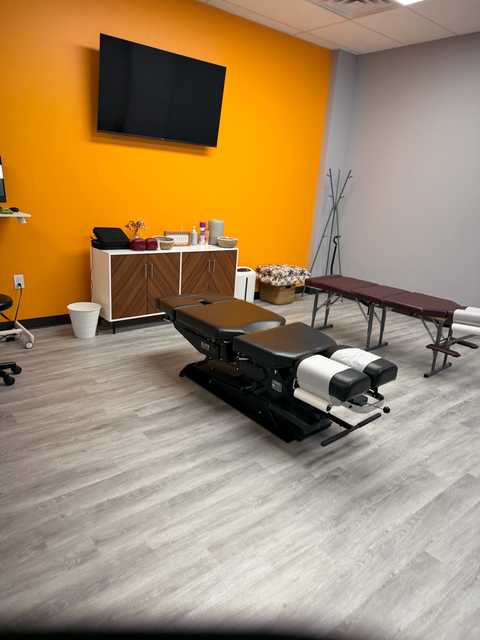
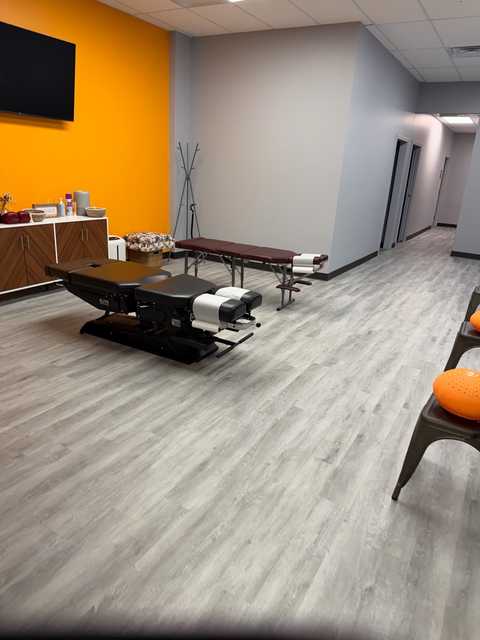
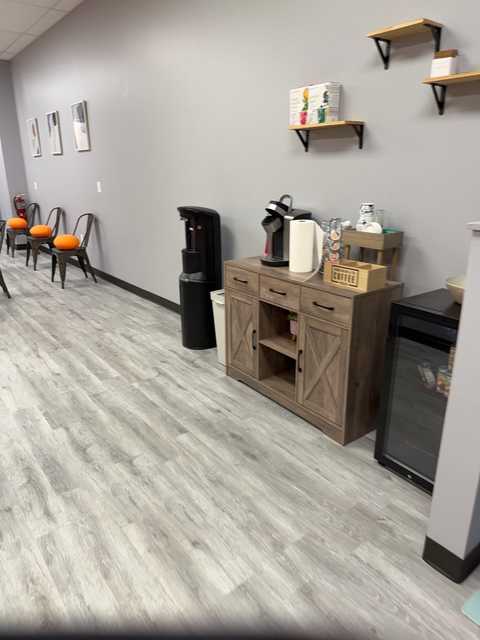
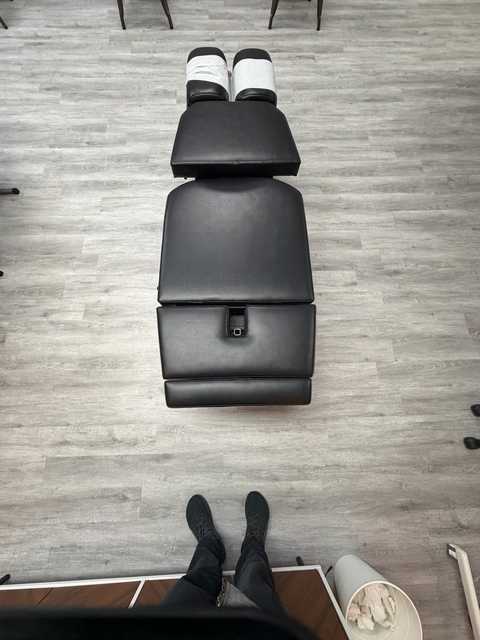
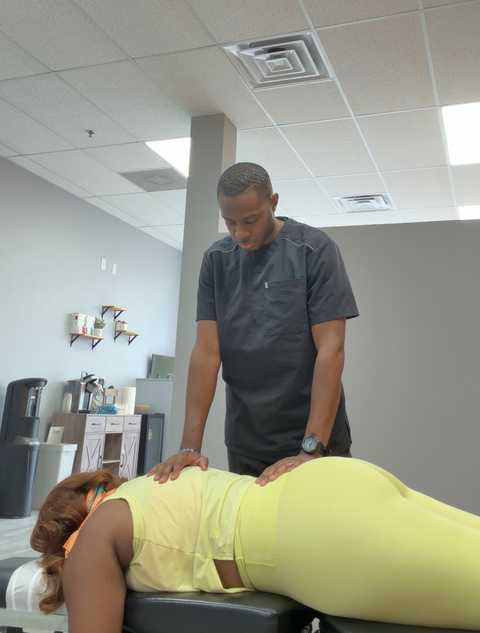
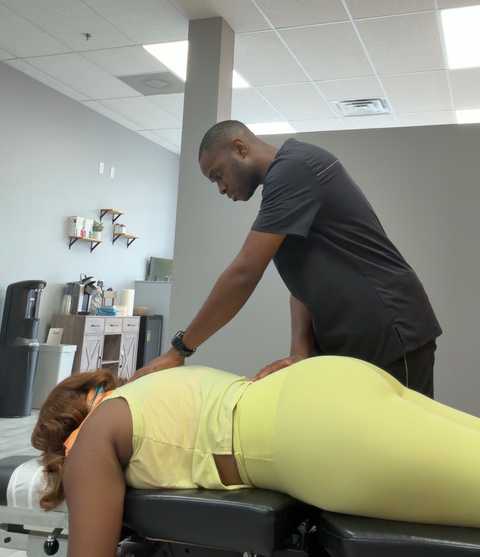
See examples of our Muscle Tension And Spasms Relief work and results.


What Our Clients Say
$$MultiPurposeText$$
Read testimonials from our satisfied customers

Dr. Matthew was amazing. Hes so respectful and helpful HIGHLY RECOMMEND

Dr Matt is a Pro!

I had a great experience here getting adjusted. They also have a massage therapist there a...more

Absolutely love this place. Best chiropractor I’ve experienced 100%

Great customer service. Dr Richmond provides you with a personal experience by sharing inf...more

Dr Richmond is very knowledgeable. He listens to your concerns. I’d recommend others for h...more

Frequently Asked Questions
Get answers to common questions about Muscle Tension And Spasms Relief.
During a session we use targeted pressure and manual release techniques to lengthen tight fibers and interrupt spasm cycles. Therapists assess tension patterns, apply sustained pressure, and integrate stretches to restore normal muscle resting tone and improve movement.
Most clients feel pressure but not severe pain; some soreness may follow as muscles release. Therapists adjust intensity to comfort and contraindications. Communicate feedback so pressure is effective yet tolerable, ensuring safety and gradual relief through each session.
Recommended sessions vary by severity: acute cases often need one to three visits, chronic tension benefits from a series over several weeks. We create individualized plans, combining home care, stretches, and follow-ups to maintain gains and prevent recurrence.
Yes. Targeted pressure techniques can reduce long-standing tightness by breaking adhesion, improving blood flow, and retraining muscle tone. Persistent cases may require combined therapies—chiropractic adjustments, exercise therapy, and repeat sessions—for sustained improvement.
Risks are minimal but can include temporary soreness, bruising, or fatigue. Not suitable for certain conditions like acute fractures, severe osteoporosis, or uncontrolled blood pressure. We screen medical history and modify or refer when necessary to ensure safe care.
You may notice immediate loosening, improved motion, and reduced spasm intensity; mild soreness can appear within 24 to 48 hours. Follow-home stretches, hydration, and gentle movement enhance outcomes. Schedule follow-ups if symptoms persist or worsen, so we can adjust your plan.