

Injury Recovery Acceleration Gallery
$$MultiPurposeText$$
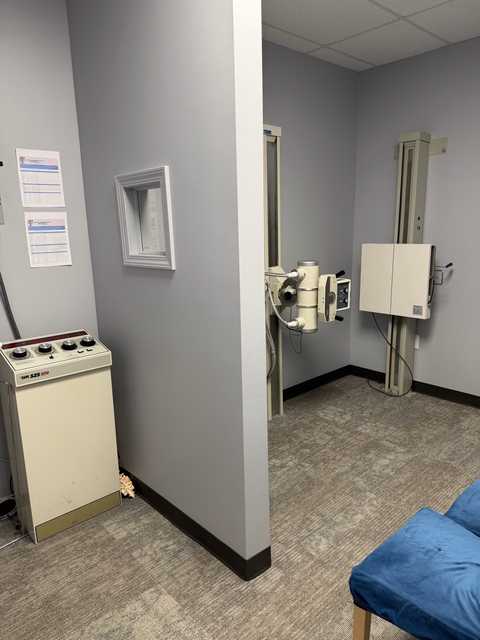
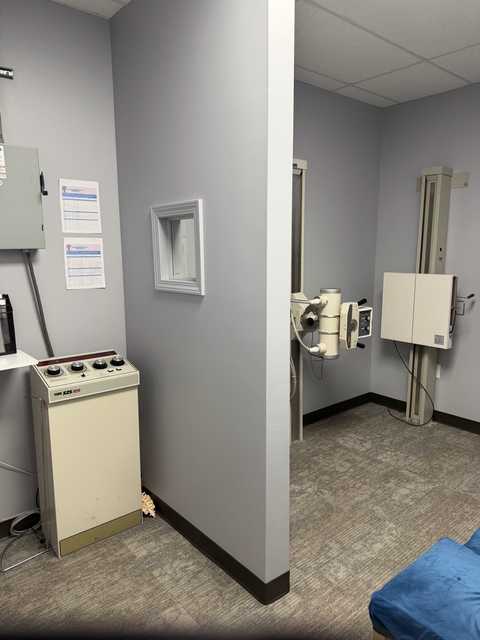
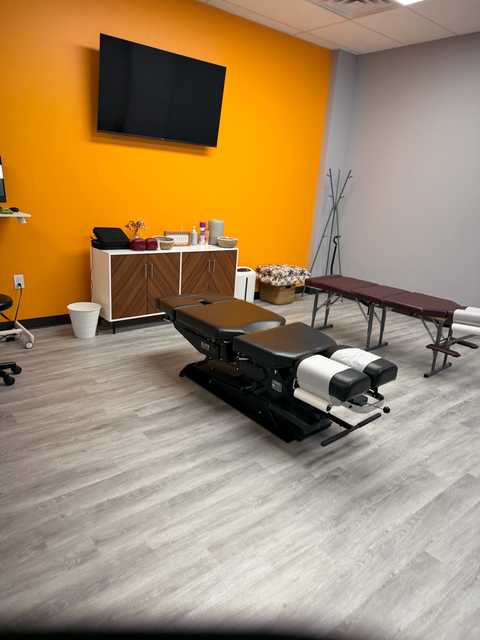
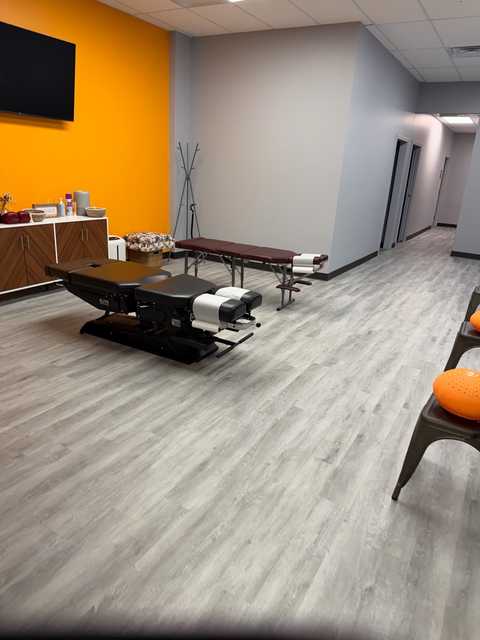
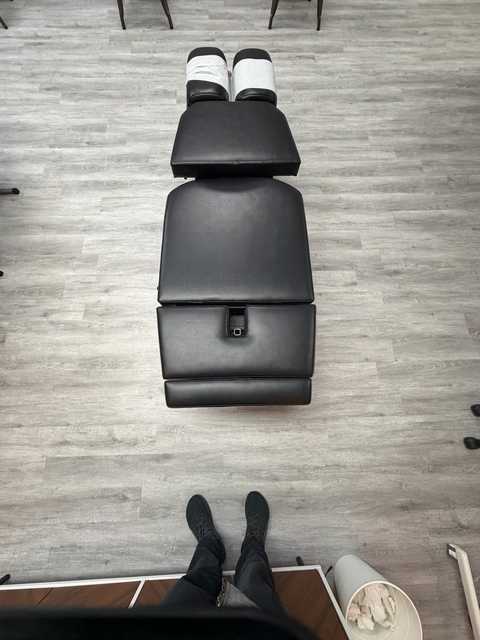
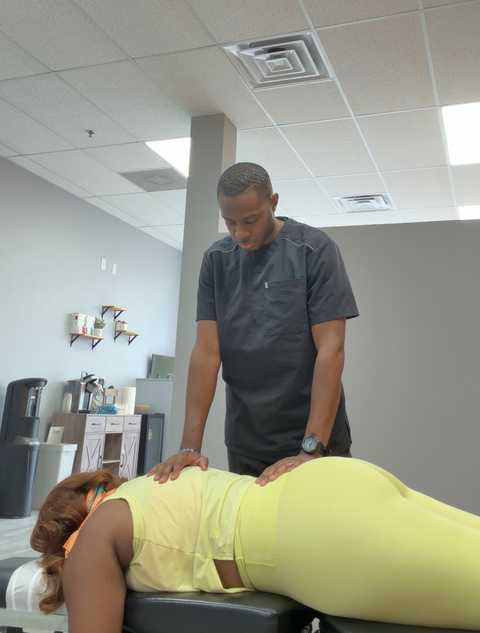
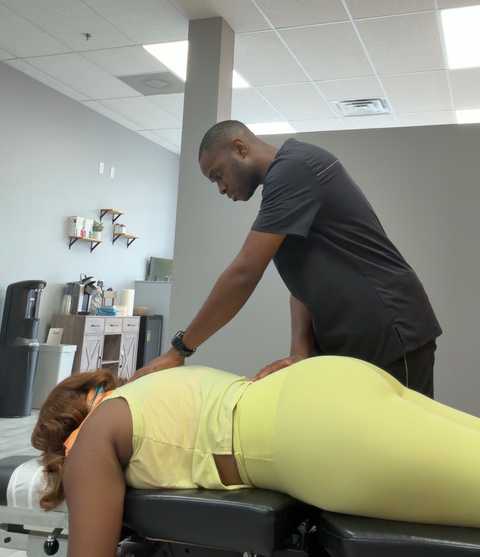
See examples of our Injury Recovery Acceleration work and results.





What Our Clients Say
$$MultiPurposeText$$
Read testimonials from our satisfied customers

Dr. Matthew was amazing. Hes so respectful and helpful HIGHLY RECOMMEND

Dr Matt is a Pro!

I had a great experience here getting adjusted. They also have a massage therapist there a...more

Absolutely love this place. Best chiropractor I’ve experienced 100%

Great customer service. Dr Richmond provides you with a personal experience by sharing inf...more

Dr Richmond is very knowledgeable. He listens to your concerns. I’d recommend others for h...more

Frequently Asked Questions
Get answers to common questions about Injury Recovery Acceleration.
We usually begin after initial medical assessment or once your provider clears you. Early intervention—often within days to weeks—can speed healing, but timing depends on injury severity and surgery protocols. Your therapist will coordinate care and tailor a safe start plan.
Yes, but only with surgeon or physician clearance when required. Our therapists adapt pressure, techniques, and timing to protect healing tissues, reduce risk, and promote recovery. We communicate with your medical team to align treatment with postoperative restrictions and goals.
Session count varies by injury type and severity. Many clients see meaningful improvement after four to eight sessions; complex or post-surgical recoveries may require ongoing care and periodic reassessment. We provide a personalized plan and progress markers to track recovery.
Coverage depends on your insurer and diagnosis coding. Some plans cover therapeutic massage or medical rehabilitation with a physician referral; others do not. We’ll help verify benefits, provide documentation, and submit claims when possible to maximize your reimbursement.
You may feel mild soreness or increased sensitivity for 24–72 hours after treatment; this is a normal healing response. Techniques are adjusted to individual tolerance, and therapists provide modifications and home care to minimize discomfort and prevent flare-ups.
Expect a thorough intake, movement and tissue assessment, and a discussion of goals and medical history. Your therapist will design a targeted plan combining hands-on techniques, mobility work, and home exercises, then outline frequency, expected milestones, and follow-up scheduling.