

Improved Circulation Gallery
$$MultiPurposeText$$
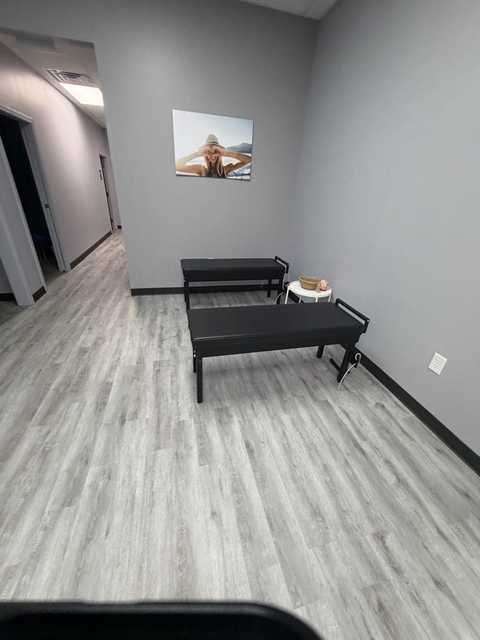
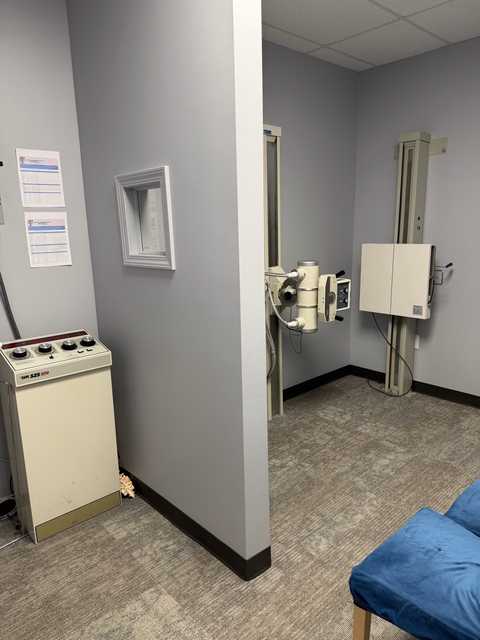
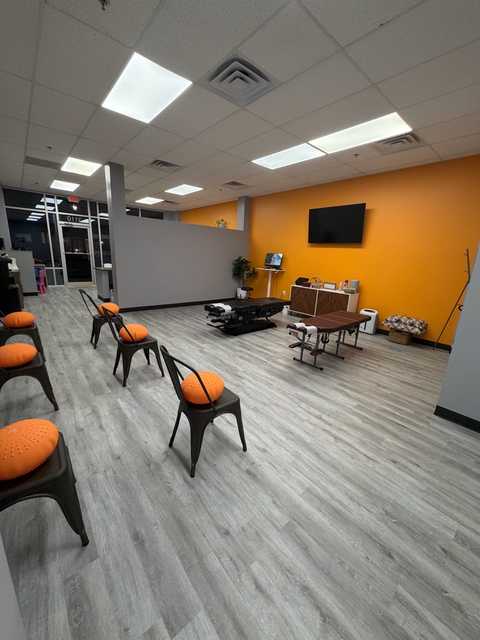
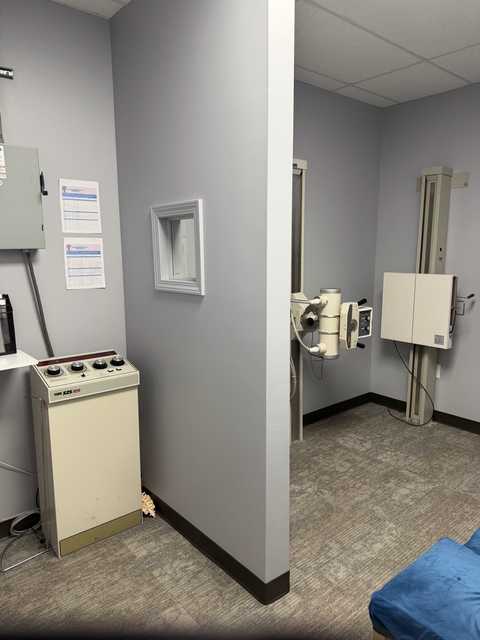
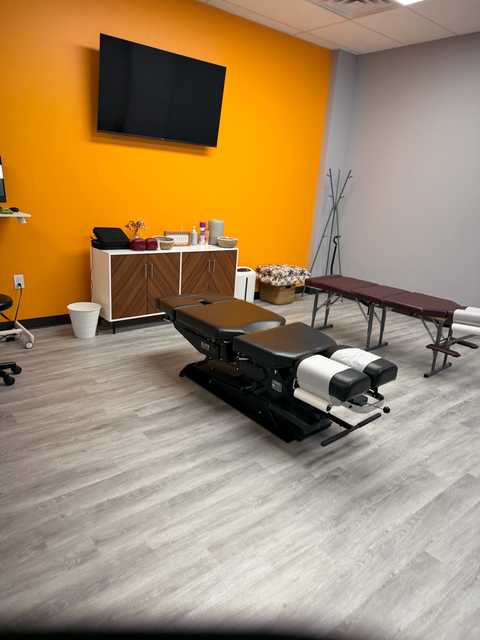
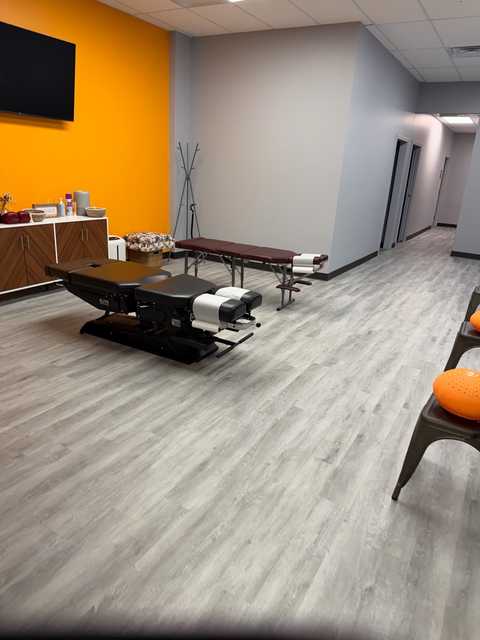
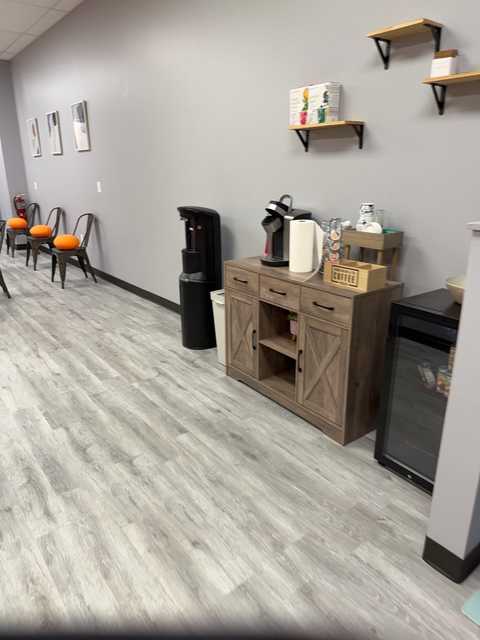
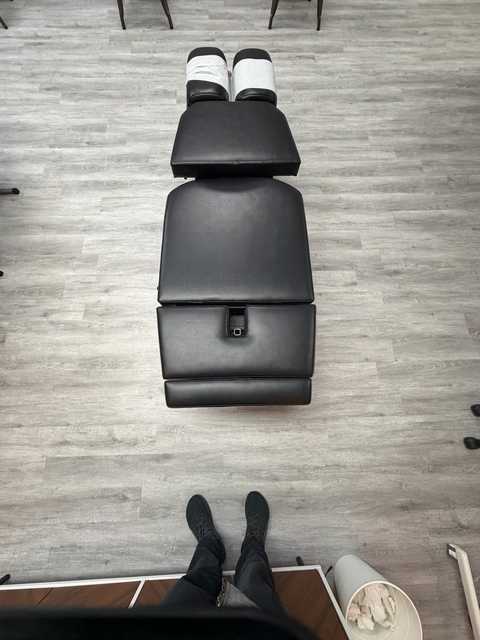
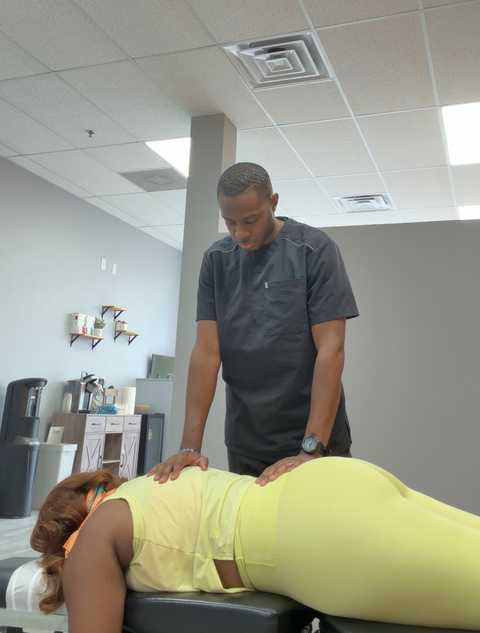
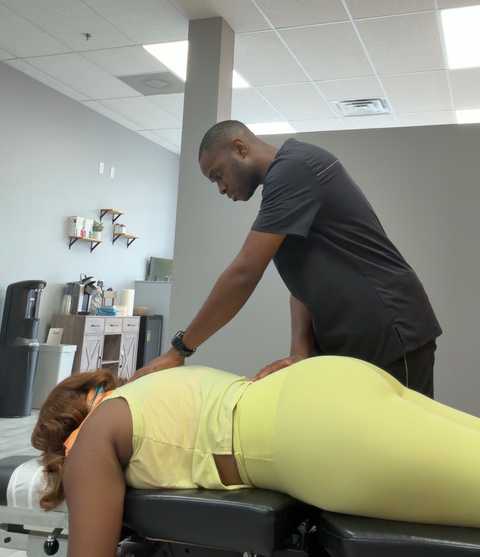
See examples of our Improved Circulation work and results.


What Our Clients Say
$$MultiPurposeText$$
Read testimonials from our satisfied customers

Dr. Matthew was amazing. Hes so respectful and helpful HIGHLY RECOMMEND

Dr Matt is a Pro!

I had a great experience here getting adjusted. They also have a massage therapist there a...more

Absolutely love this place. Best chiropractor I’ve experienced 100%

Great customer service. Dr Richmond provides you with a personal experience by sharing inf...more

Dr Richmond is very knowledgeable. He listens to your concerns. I’d recommend others for h...more

Frequently Asked Questions
Get answers to common questions about Improved Circulation.
Targeted massage strokes stimulate blood vessels, dilating capillaries and veins to increase flow. This delivers oxygen and nutrients while facilitating removal of metabolic waste, reducing inflammation and promoting healing. Techniques are tailored for safe, effective circulation improvement.
Generally yes, but treatments are modified. Seniors may need gentler pressure and longer intervals between appointments. Pregnant clients require specific positioning and avoid certain areas. Always disclose medical history so therapists can adapt techniques safely.
Results vary—some clients feel better after one session, while chronic issues may require weekly sessions for several weeks. Your therapist will assess response and recommend a personalized schedule combined with exercise, hydration, and lifestyle changes.
Yes, when performed appropriately and cleared by your surgeon or physician. Lymphatic and circulation-focused techniques help move excess fluid and reduce edema, but timing and approach depend on healing stage. We coordinate care for safe recovery.
Minor soreness, bruising, or temporary lightheadedness can occur as circulation increases. These effects typically resolve within 24 to 48 hours. Staying hydrated, resting, and communicating discomfort to your therapist reduces risk and helps tailor future sessions.
Inform us of medical conditions, medications, recent surgeries, or blood clot history. Avoid heavy meals or alcohol beforehand, stay hydrated, and wear comfortable clothing. These steps help us tailor pressure and techniques for safe, effective circulation improvement.