

Chronic Pain Management Gallery
$$MultiPurposeText$$
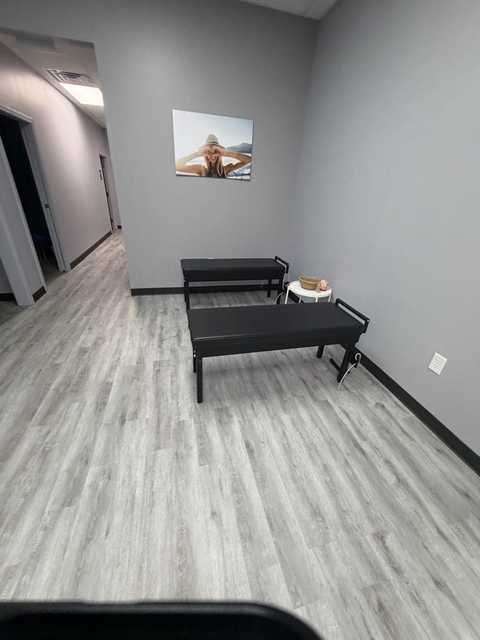
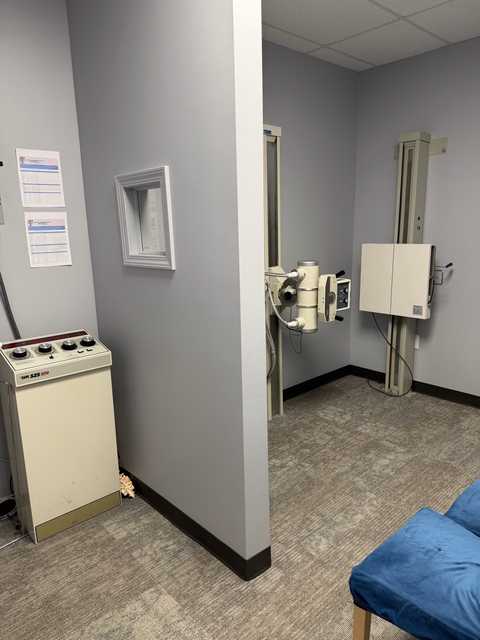
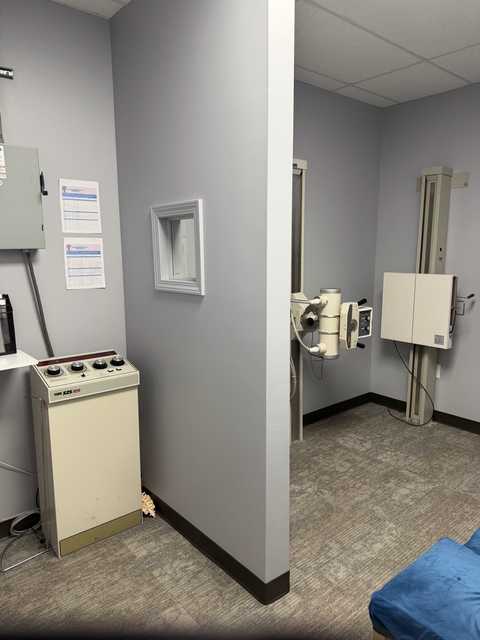
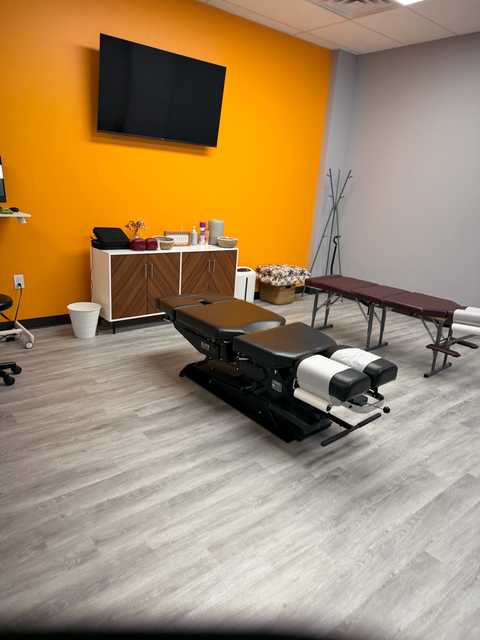
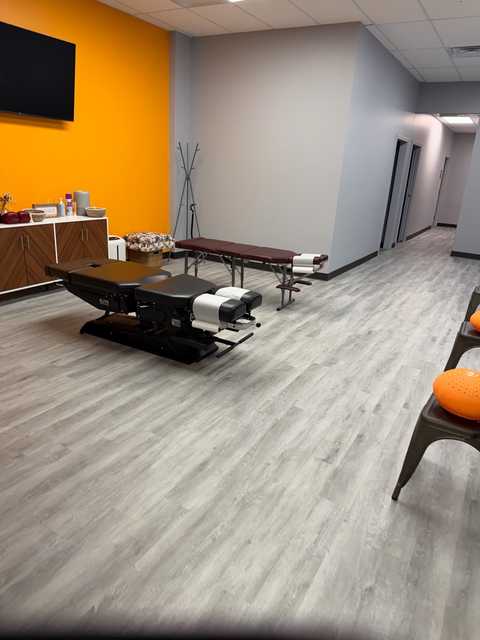
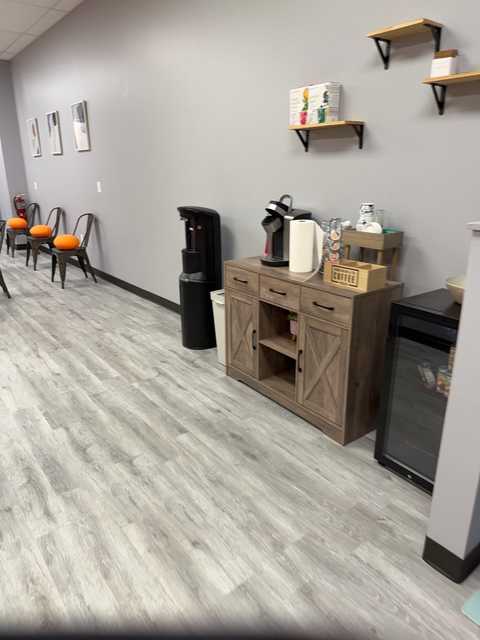
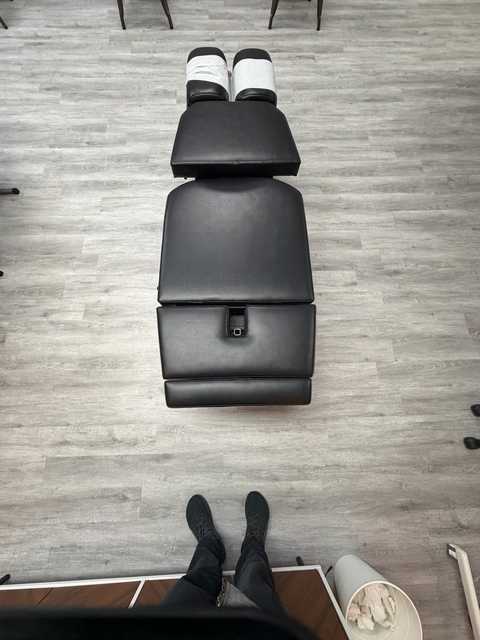
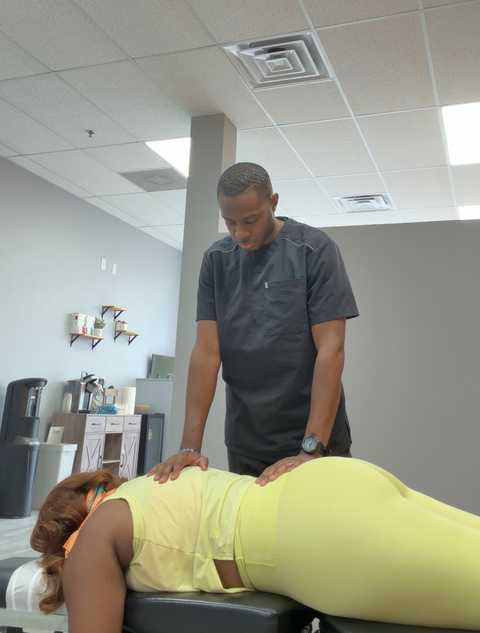
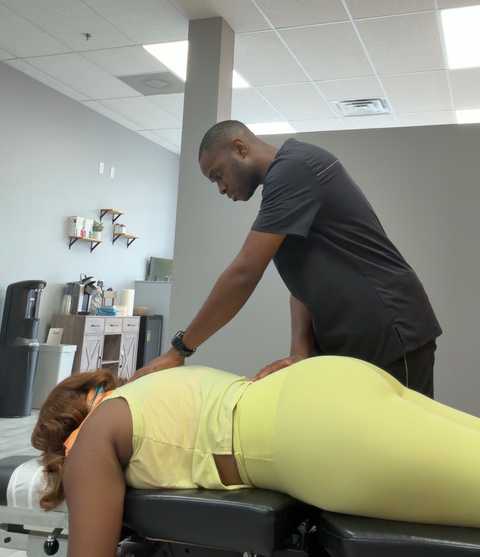
See examples of our Chronic Pain Management work and results.



What Our Clients Say
$$MultiPurposeText$$
Read testimonials from our satisfied customers

Dr. Matthew was amazing. Hes so respectful and helpful HIGHLY RECOMMEND

Dr Matt is a Pro!

I had a great experience here getting adjusted. They also have a massage therapist there a...more

Absolutely love this place. Best chiropractor I’ve experienced 100%

Great customer service. Dr Richmond provides you with a personal experience by sharing inf...more

Dr Richmond is very knowledgeable. He listens to your concerns. I’d recommend others for h...more

Frequently Asked Questions
Get answers to common questions about Chronic Pain Management.
Massage in chronic pain management focuses on loosening tight muscles, improving circulation, and reducing nervous system sensitization. At Connected Health Suwanee we create individualized plans, combining massage with chiropractic care and home exercises to progressively lower pain and improve daily function.
Frequency varies per person; many clients see measurable improvement after four to six weekly sessions, then shift to maintenance every one to four weeks. Your therapist at Connected Health Suwanee will assess progress and tailor timing based on pain levels and lifestyle.
Many patients experience fewer and less severe migraines when muscle tension, trigger points, and posture-related strain are addressed. We combine trigger-point release, cervical work, and relaxation techniques to target migraine contributors, reducing episodes alongside medical care.
Generally yes, but safety depends on specific conditions and medications. We conduct thorough intake and coordinate with your healthcare providers, modifying techniques when needed. Inform your therapist about surgeries, blood thinners, cancer, or circulatory issues before beginning sessions.
Expect a detailed intake, pain history, and physical assessment. Your therapist will explain techniques, begin gentle treatment focusing on problem areas, and provide self-care recommendations. A personalized plan and follow-up schedule will be discussed to track progress and goals.
Coverage varies by insurer and plan. Some policies cover medically necessary therapeutic massage with a physician referral or diagnosis code. We can provide superbills, documentation, and help verify benefits; contact Connected Health Suwanee for insurance guidance and payment options.