

Shoulder Pain And Discomfort Adjustment Gallery
$$MultiPurposeText$$
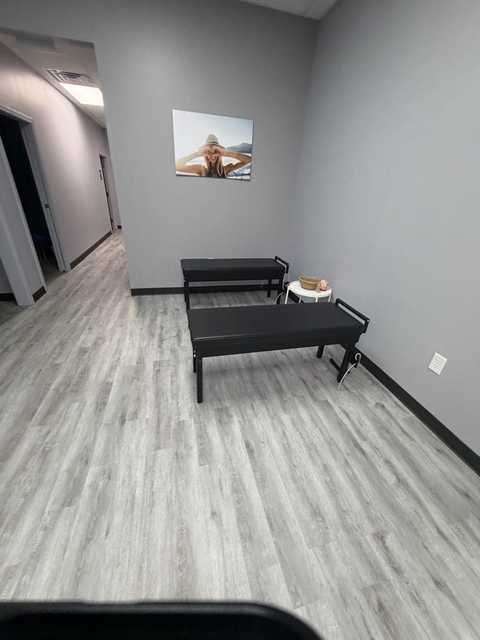
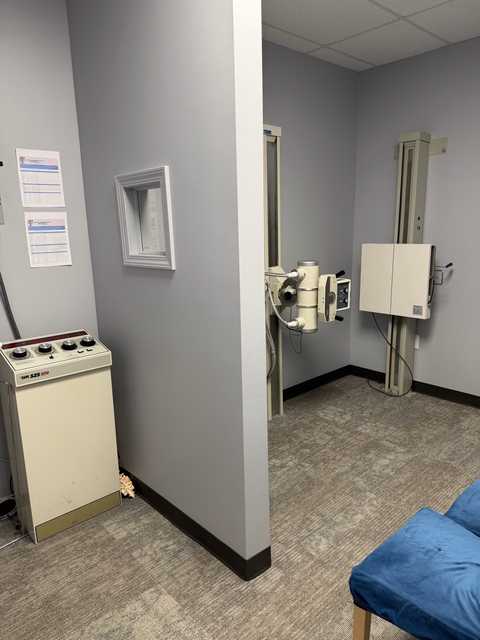
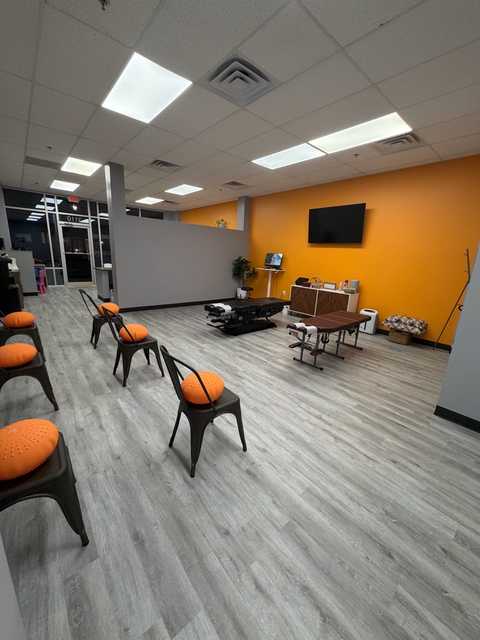
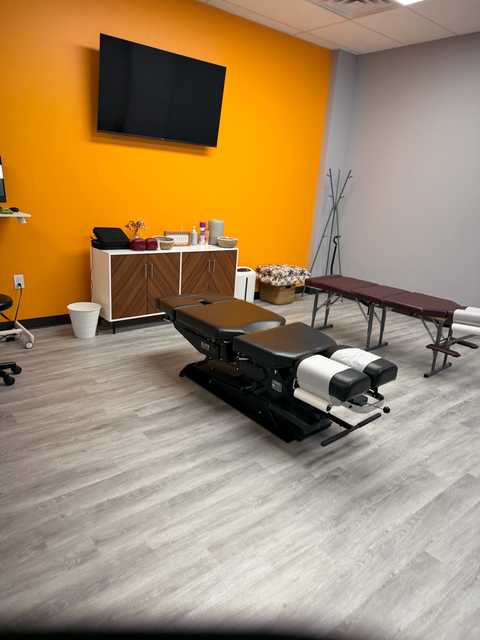
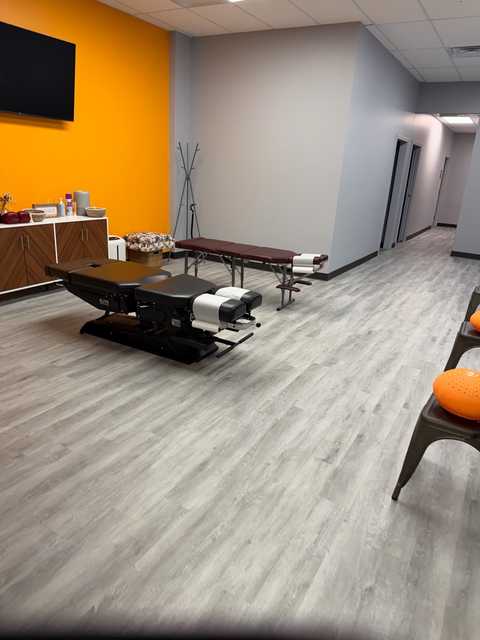
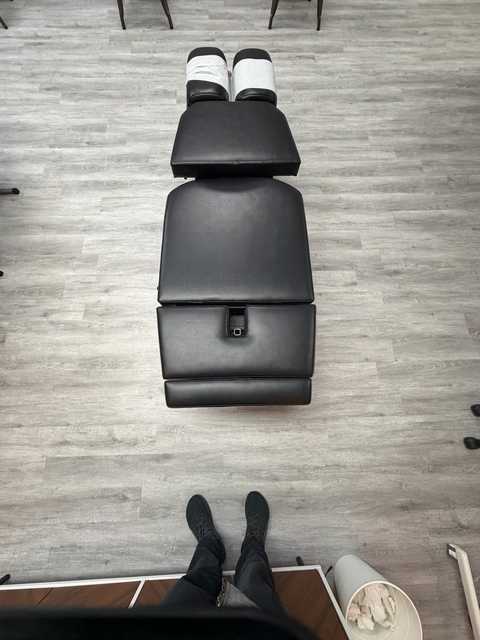
See examples of our Shoulder Pain And Discomfort Adjustment work and results.
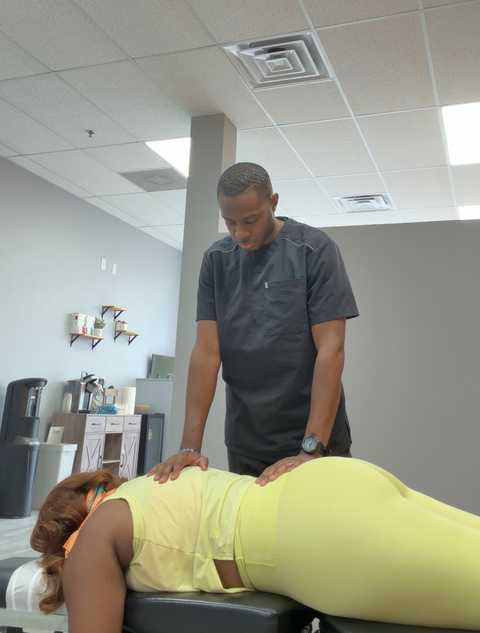
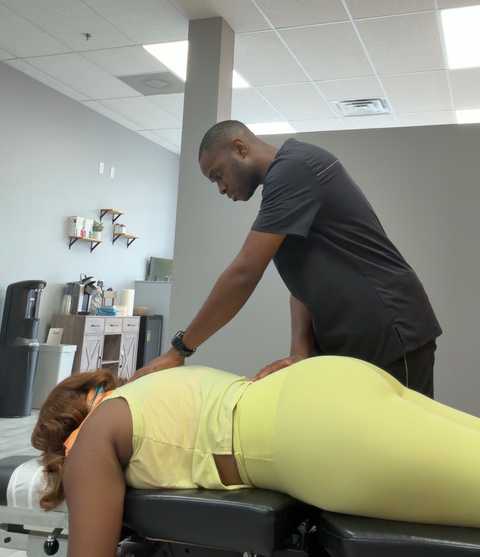


What Our Clients Say
$$MultiPurposeText$$
Read testimonials from our satisfied customers

Dr. Matthew was amazing. Hes so respectful and helpful HIGHLY RECOMMEND

Dr Matt is a Pro!

I had a great experience here getting adjusted. They also have a massage therapist there a...more

Absolutely love this place. Best chiropractor I’ve experienced 100%

Great customer service. Dr Richmond provides you with a personal experience by sharing inf...more

Dr Richmond is very knowledgeable. He listens to your concerns. I’d recommend others for h...more

Frequently Asked Questions
Get answers to common questions about Shoulder Pain And Discomfort Adjustment.
Our Shoulder Pain And Discomfort Adjustment addresses rotator cuff strains, tendonitis, impingement, adhesive capsulitis (frozen shoulder), postural-related stiffness, and shoulder pain from overuse. We assess joint mechanics and surrounding tissues to create a tailored plan combining adjustments, soft-tissue work, and rehab.
Yes. We adapt techniques to each patient's age, fitness, and medical history. Children, active adults, and older patients benefit from gentle mobilizations and rehab. If needed, we coordinate with physicians to ensure safety for complex medical conditions.
Treatment length varies by injury severity; many notice improvement within two to six visits, while persistent rotator cuff issues or frozen shoulder may need weeks of care with home exercises and progressive rehabilitation.
Most patients experience minimal discomfort; techniques are gentle and aimed at reducing pain. Temporary soreness can occur after therapy, which typically subsides within 24 to 72 hours and is managed with ice, rest, and guided movements.
Absolutely. Our program emphasizes restoring mobility, correcting mechanics, and progressive strengthening to safely accelerate return-to-play. We provide sport-specific rehabilitation and return-to-activity guidance to reduce reinjury risk.
We accept many insurance plans and can verify benefits before your first visit. Out-of-pocket options and payment plans are available for those without coverage; our staff helps maximize your benefits.