

Knee Pain Adjustment Gallery
$$MultiPurposeText$$
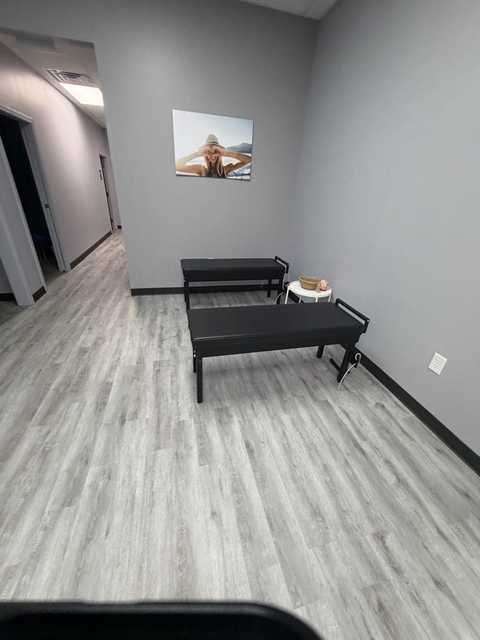
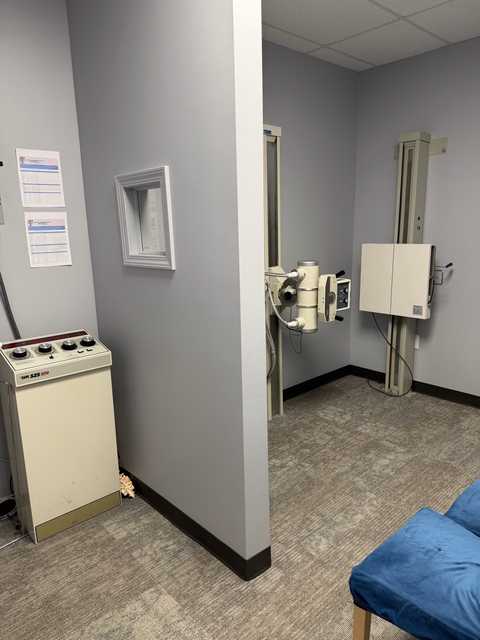
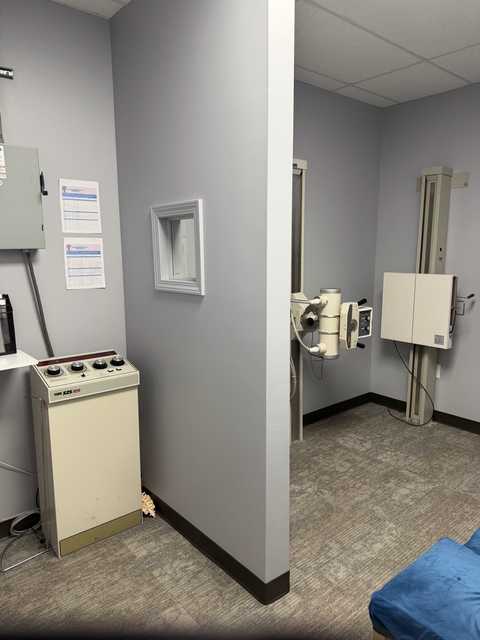
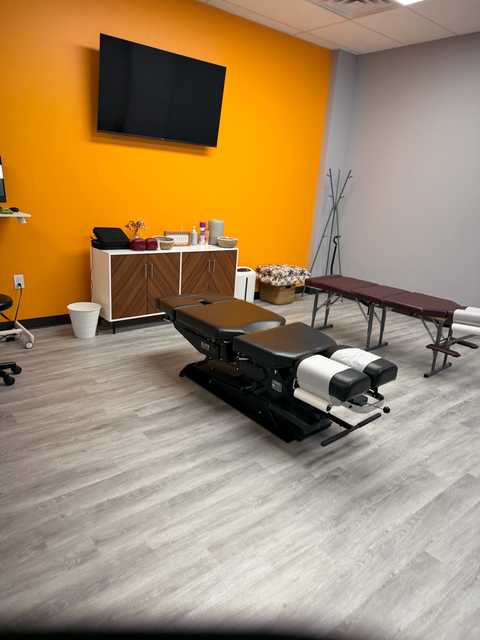
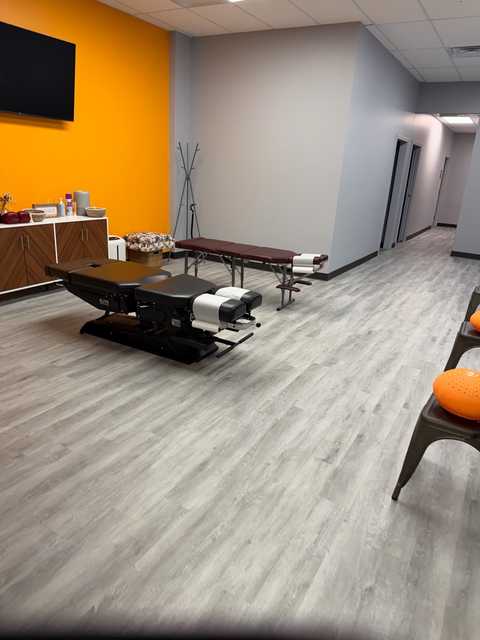
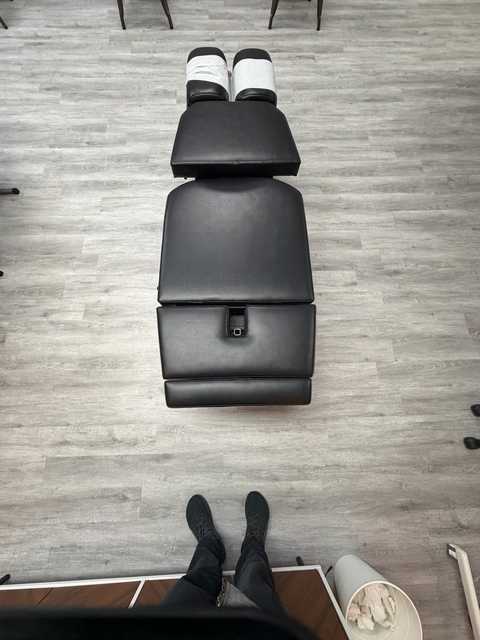
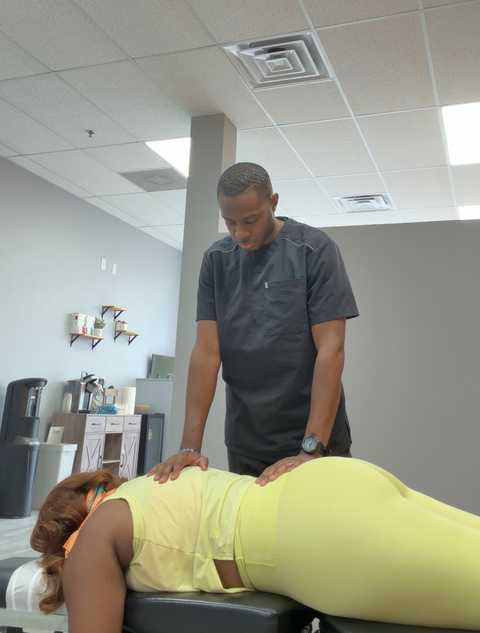
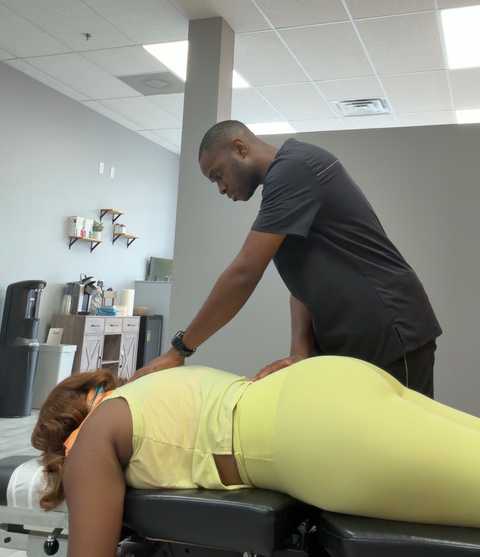
See examples of our Knee Pain Adjustment work and results.




What Our Clients Say
$$MultiPurposeText$$
Read testimonials from our satisfied customers

Dr. Matthew was amazing. Hes so respectful and helpful HIGHLY RECOMMEND

Dr Matt is a Pro!

I had a great experience here getting adjusted. They also have a massage therapist there a...more

Absolutely love this place. Best chiropractor I’ve experienced 100%

Great customer service. Dr Richmond provides you with a personal experience by sharing inf...more

Dr Richmond is very knowledgeable. He listens to your concerns. I’d recommend others for h...more

Frequently Asked Questions
Get answers to common questions about Knee Pain Adjustment.
During the session the chiropractor assesses knee alignment, range of motion, and surrounding joints, then performs gentle extremity adjustments. Treatment may include soft tissue work, taping, and rehab exercises. Most patients feel reduced pain and improved mobility within a few visits.
Chiropractic adjustments can be safe for some meniscus tears depending on severity and stability. We evaluate imaging and symptoms before treatment; conservative adjustment may reduce pain and improve mechanics, but severe tears may require referral to orthopedics.
Treatment frequency varies with condition, but many patients notice improvement after 2–6 visits. A personalized plan will be created, often combining adjustments with rehab exercises to restore strength and prevent recurrence.
Most adjustments are gentle and well tolerated; you may feel brief pressure, popping, or mild soreness afterward. We customize techniques to minimize discomfort and use complementary therapies like ice, exercise, and soft tissue work for safer recovery.
Yes, adjustments can improve patellar tracking and reduce tensile stress on the tendon. Combined with eccentric strengthening, activity modification, and soft tissue techniques, this approach often decreases pain and speeds functional recovery.
We may recommend X-rays or MRI if you have a history of trauma, locking, instability, or persistent severe symptoms. Imaging helps rule out fractures, significant meniscal injury, or conditions requiring surgical consultation before adjustments.