

Elbow Pain Adjustment Gallery
$$MultiPurposeText$$
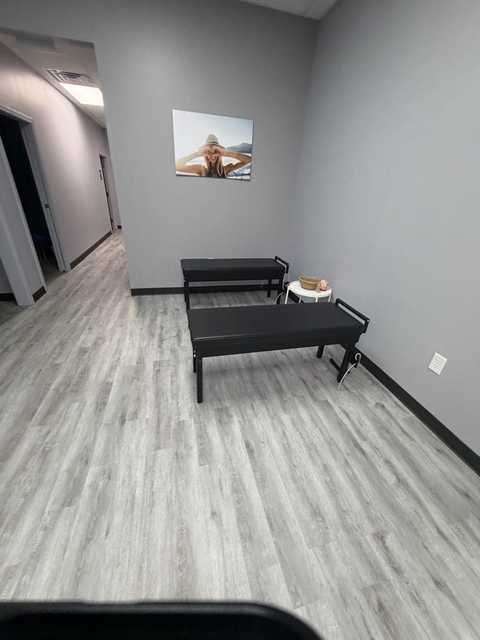
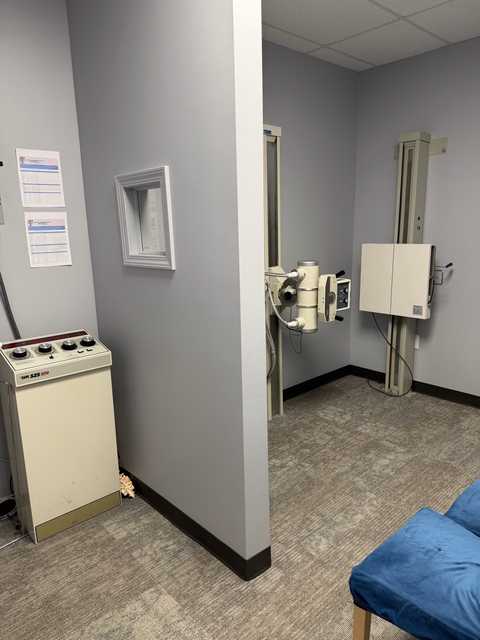
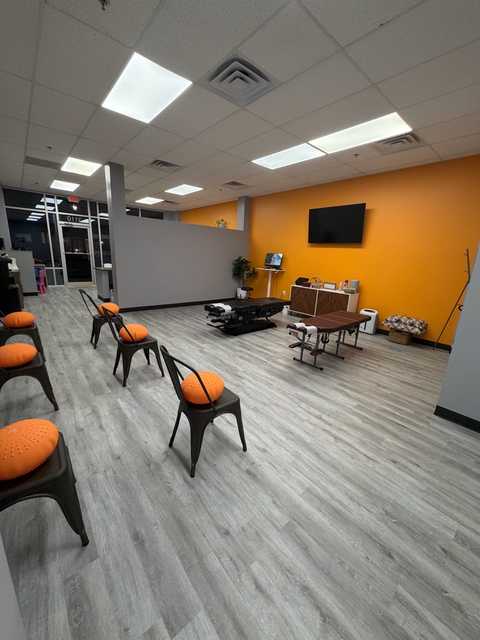
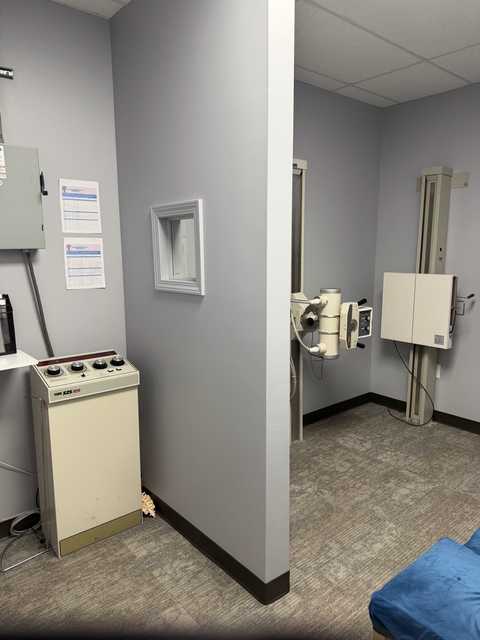
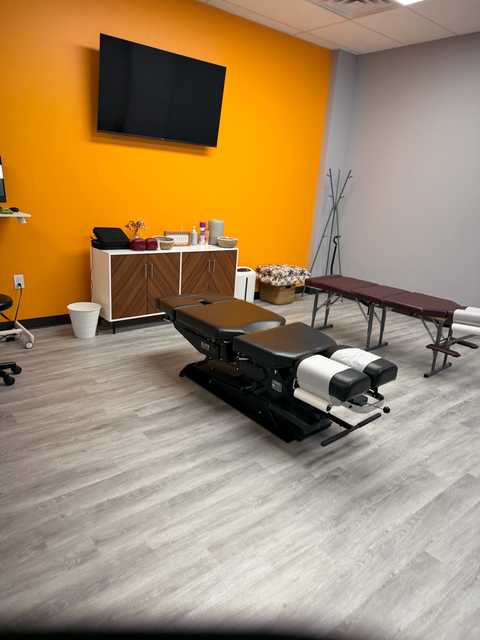
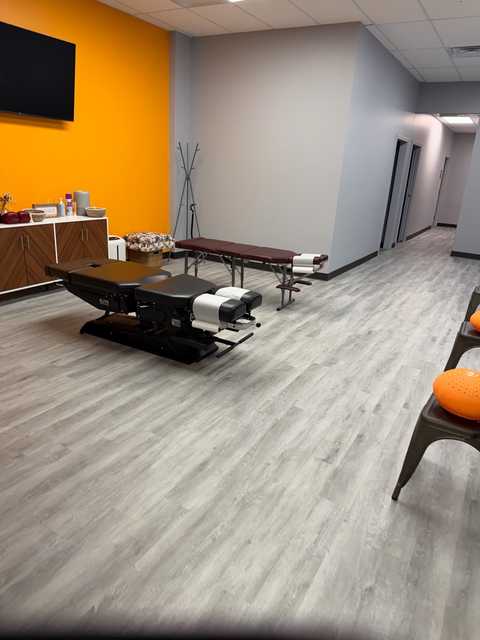
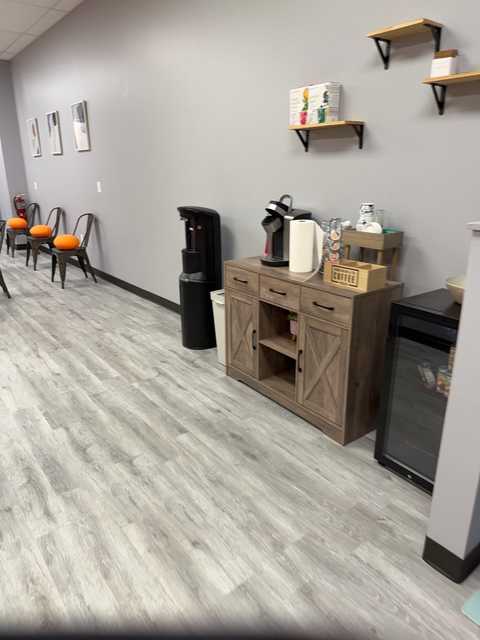
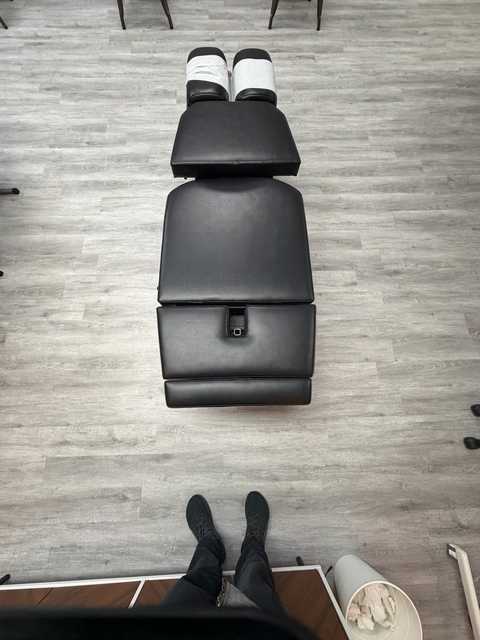
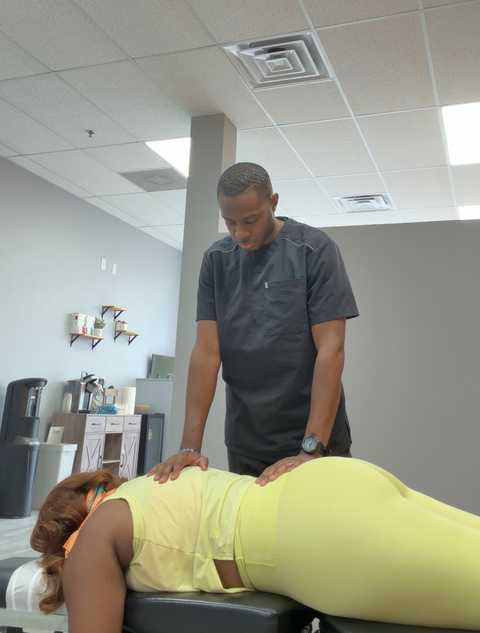
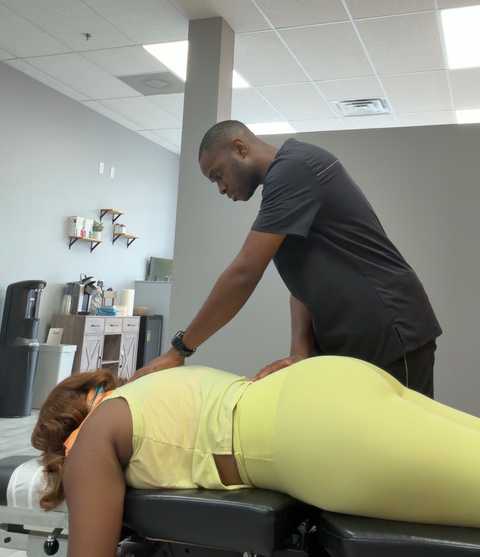
See examples of our Elbow Pain Adjustment work and results.


What Our Clients Say
$$MultiPurposeText$$
Read testimonials from our satisfied customers

Dr. Matthew was amazing. Hes so respectful and helpful HIGHLY RECOMMEND

Dr Matt is a Pro!

I had a great experience here getting adjusted. They also have a massage therapist there a...more

Absolutely love this place. Best chiropractor I’ve experienced 100%

Great customer service. Dr Richmond provides you with a personal experience by sharing inf...more

Dr Richmond is very knowledgeable. He listens to your concerns. I’d recommend others for h...more

Frequently Asked Questions
Get answers to common questions about Elbow Pain Adjustment.
Many patients notice reduced pain and improved movement within one to three sessions, though acute or chronic conditions may require multiple visits. We assess progress, adjust frequency, and add rehab exercises to support faster, lasting recovery.
Yes. Adjustments are gentle and customized to each patient's age, activity level, and health history. We perform a thorough evaluation to ensure safety, modify techniques for seniors or young athletes, and coordinate care when needed.
Coverage varies by plan and provider. Many insurance and workers' comp policies cover chiropractic extremity adjustments when medically necessary. Our staff verifies benefits, explains coverage, and discusses out-of-pocket costs and payment options before treatment.
Treatment varies: acute strains may improve in a few visits while chronic tendinopathy often requires 6–12 sessions combined with targeted rehab. We create individualized plans, reassess progress regularly, and adjust care to achieve durable results.
Most patients experience minimal discomfort; adjustments are precise and gentle. You may feel immediate relief or mild soreness for 24–48 hours as tissues adapt. We explain sensations beforehand and provide aftercare tips to reduce temporary soreness.
Yes. Adjustments correct joint dysfunction and reduce tendon overload that contribute to golfer's elbow. Paired with targeted strengthening, stretching, and ergonomic changes, treatment promotes healing and lowers the chance of recurrence.