

Ankle And Foot Pain Adjustment Gallery
$$MultiPurposeText$$
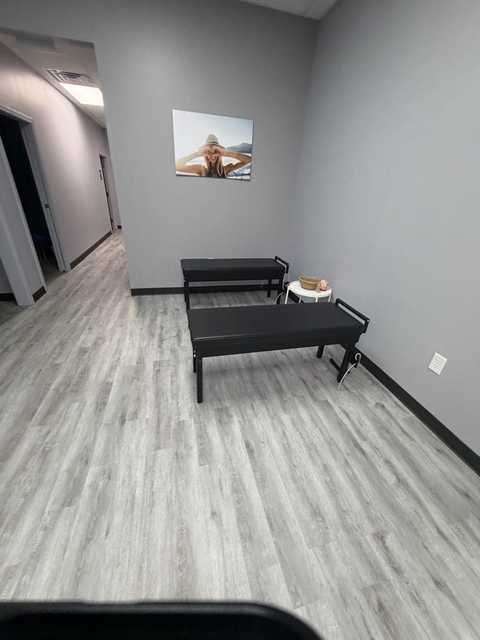
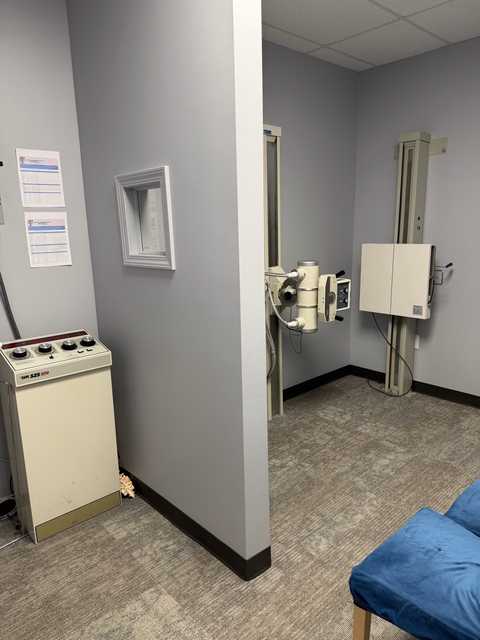
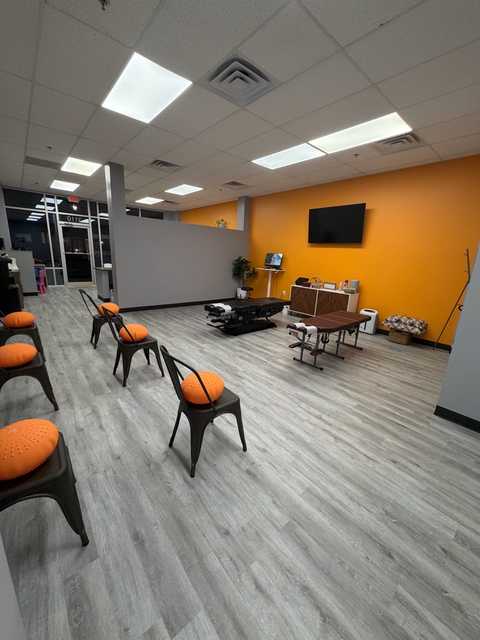
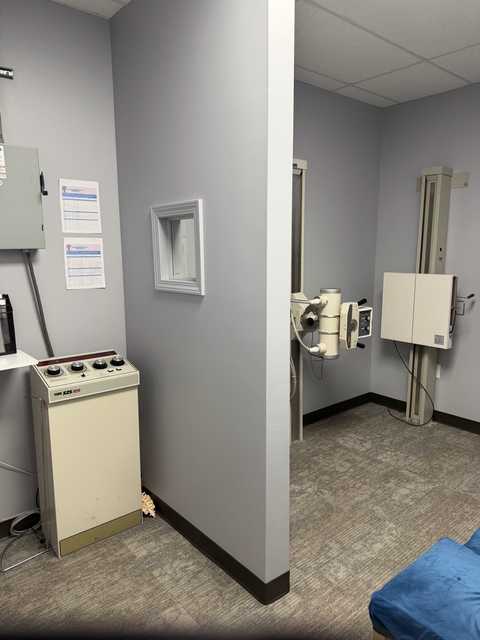
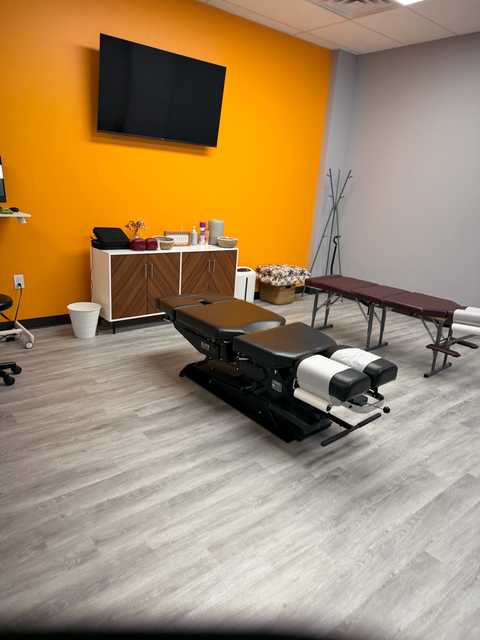
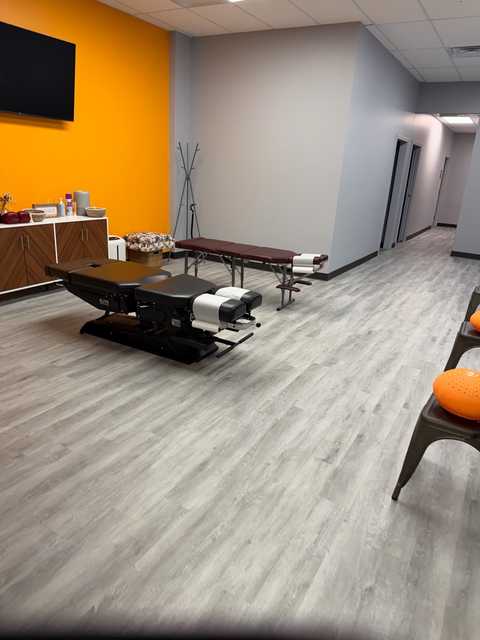
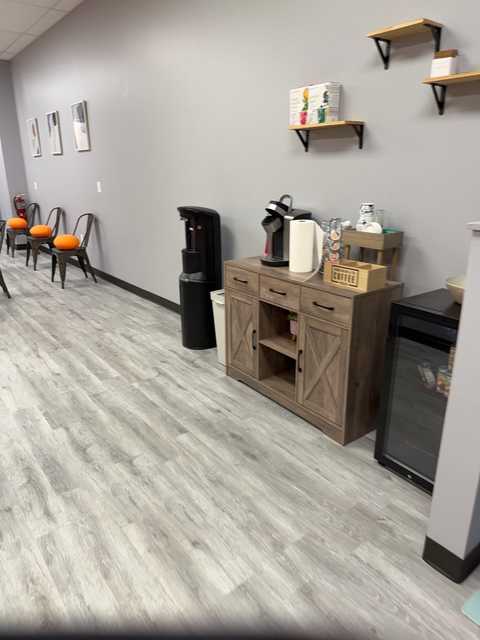
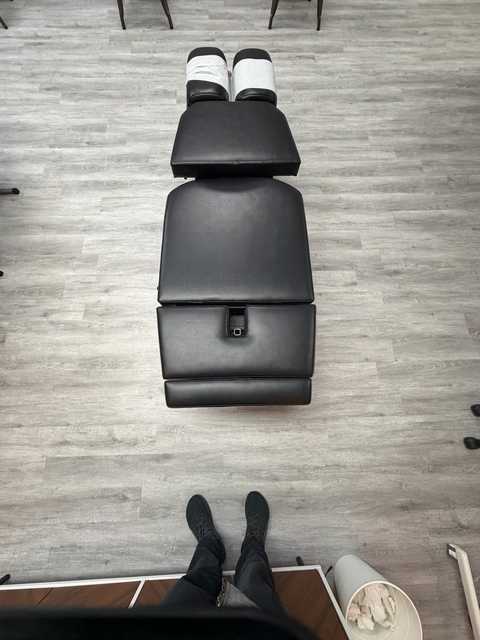
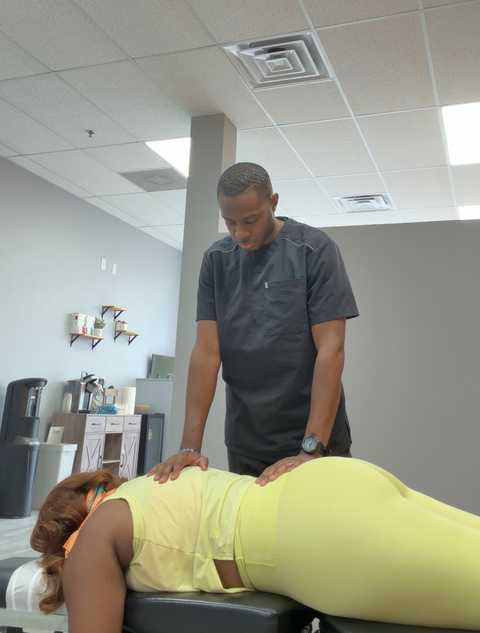
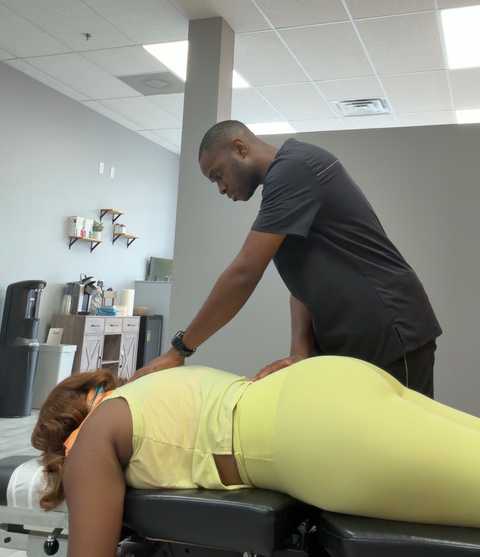
See examples of our Ankle And Foot Pain Adjustment work and results.


What Our Clients Say
$$MultiPurposeText$$
Read testimonials from our satisfied customers

Dr. Matthew was amazing. Hes so respectful and helpful HIGHLY RECOMMEND

Dr Matt is a Pro!

I had a great experience here getting adjusted. They also have a massage therapist there a...more

Absolutely love this place. Best chiropractor I’ve experienced 100%

Great customer service. Dr Richmond provides you with a personal experience by sharing inf...more

Dr Richmond is very knowledgeable. He listens to your concerns. I’d recommend others for h...more

Frequently Asked Questions
Get answers to common questions about Ankle And Foot Pain Adjustment.
Yes. Targeted adjustments and soft-tissue techniques reduce tension on the plantar fascia, decrease inflammation, and improve foot mechanics. Combined with stretching, taping, and orthotic advice, this therapy often lessens pain and speeds recovery for plantar fasciitis patients.
Treatment length varies by condition severity. Acute sprains may need a few visits, while chronic plantar fasciitis or arch dysfunction often benefit from multiple weeks of care alongside home exercises and orthotic support for lasting improvement.
Yes. Performed by a trained chiropractor, adjustments and soft tissue therapy are safe when timed appropriately. We assess injury stage and stability before treatment, and may modify techniques or coordinate imaging and referrals if necessary.
Adjustments can improve joint alignment and reduce compensatory strain, helping symptoms from flat feet. While structural arch height may not fully change, combined strategies—exercise, orthotics, and manual therapy—often improve function, pain levels, and overall biomechanics.
Most patients feel minimal discomfort. You may experience brief pressure, stretching, or soreness after soft tissue work or adjustments. We communicate throughout treatment and adjust techniques to comfort levels; post-treatment advice reduces temporary soreness and promotes recovery.
Often recommended. Custom or over-the-counter orthotics support corrected alignment, distribute pressure, and complement adjustments for lasting symptom relief. We evaluate gait and foot mechanics and will suggest orthotic options only if they improve your treatment outcomes and daily comfort.
Read more about Ankle And Foot Pain Adjustment
$$MultiPurposeText$$
Explore our latest insights and guides on Ankle And Foot Pain Adjustment.

Ankle And Foot Pain Adjustment or Physical Therapy: Which First?
Published On: July 9, 2026