

Diversified Technique Sports Injuries Support Gallery
$$MultiPurposeText$$
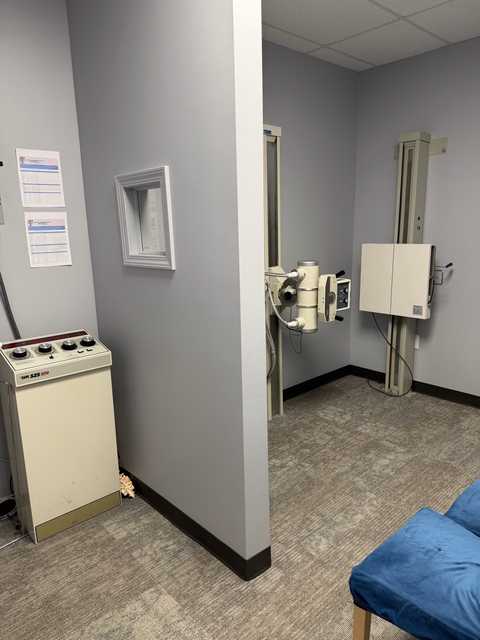
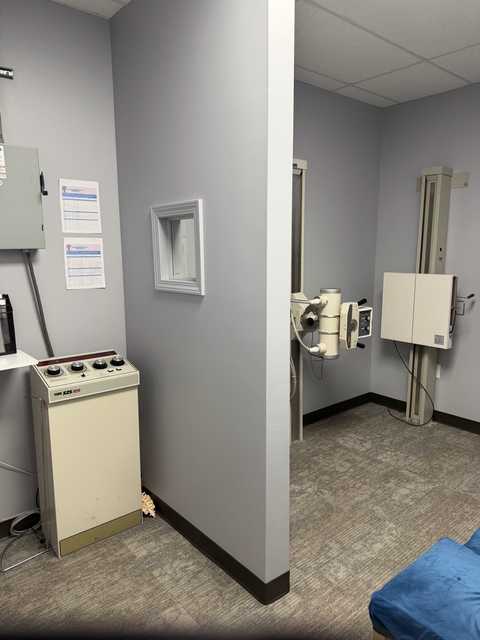
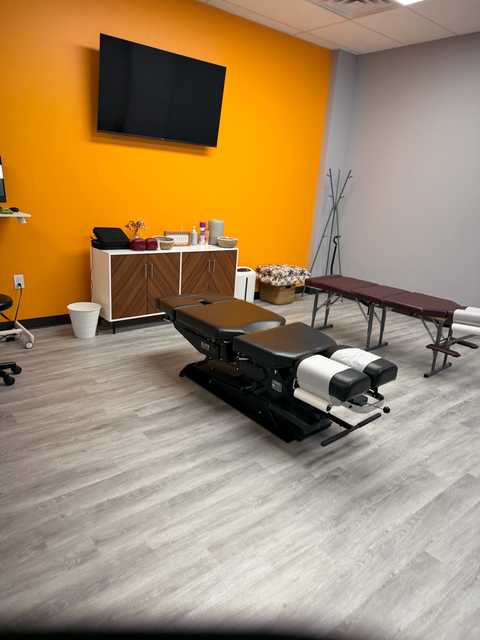
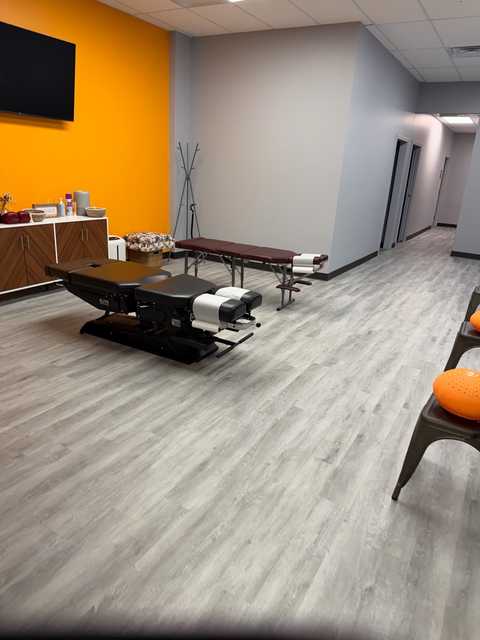
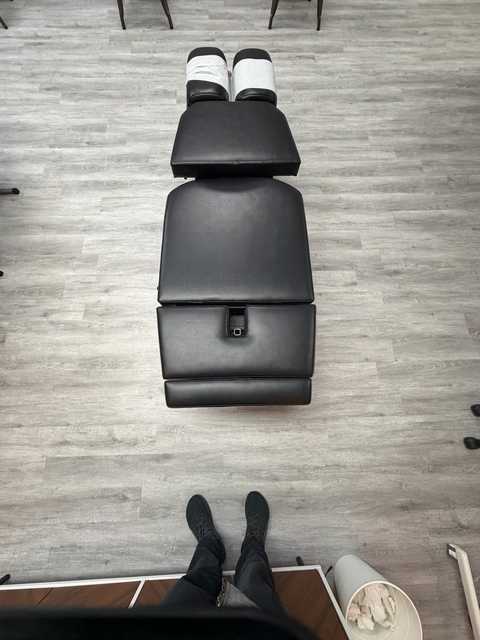
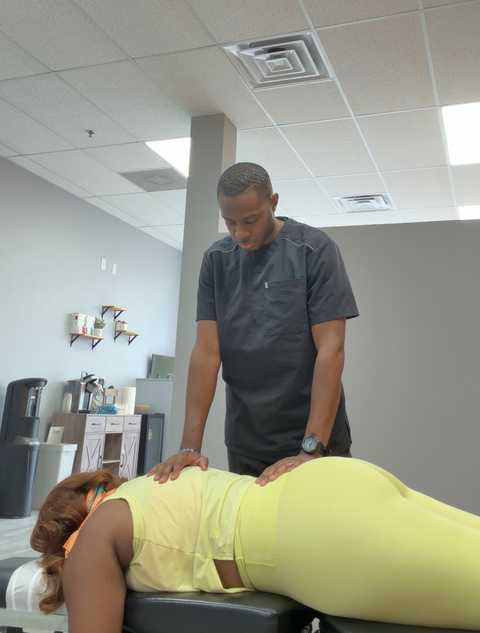
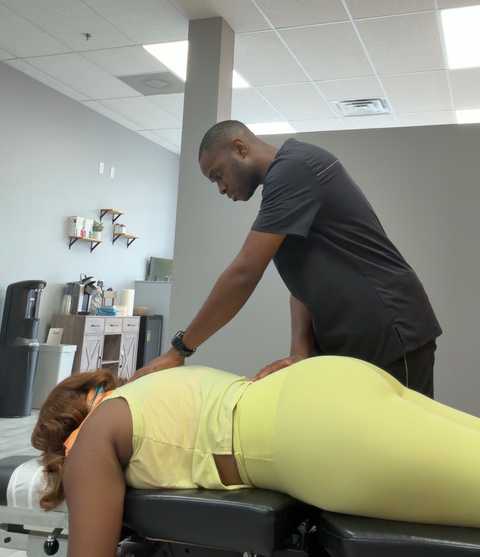
See examples of our Diversified Technique Sports Injuries Support work and results.





What Our Clients Say
$$MultiPurposeText$$
Read testimonials from our satisfied customers

Dr. Matthew was amazing. Hes so respectful and helpful HIGHLY RECOMMEND

Dr Matt is a Pro!

I had a great experience here getting adjusted. They also have a massage therapist there a...more

Absolutely love this place. Best chiropractor I’ve experienced 100%

Great customer service. Dr Richmond provides you with a personal experience by sharing inf...more

Dr Richmond is very knowledgeable. He listens to your concerns. I’d recommend others for h...more

Frequently Asked Questions
Get answers to common questions about Diversified Technique Sports Injuries Support.
Many patients notice decreased pain after one or two sessions, but response varies by injury type and severity. Your chiropractor will assess progress and tailor treatment frequency to safely accelerate healing and return-to-sport goals.
Yes — when performed by a licensed chiropractor, the Diversified Technique is safe for adolescents. Treatments are adapted to age, growth plates, and sport-specific concerns to protect development while addressing alignment and injury recovery.
Adjustments focus on joint mechanics and typically complement supportive devices. Your chiropractor will evaluate braces or orthotics, recommend modifications if needed, and coordinate care to ensure orthotic use supports recovery and long-term alignment.
Treatment plans vary; acute sports injuries often need several visits over two to six weeks, while chronic issues may require longer rehabilitation combined with exercises, manual therapy, and home care guidance.
While no method guarantees prevention, regular adjustments improve alignment, mobility, and muscle balance which reduces injury risk. Combined with strength training, movement screening, and sport-specific conditioning, risk of recurrence is significantly lowered.
Imaging like X-rays or MRI is recommended when warranted by history, severe trauma, or neurological signs. Your chiropractor will order or review imaging when necessary to ensure safe, targeted treatment and rule out contraindications.