

Diversified Technique Shoulder Pain Treatment Gallery
$$MultiPurposeText$$
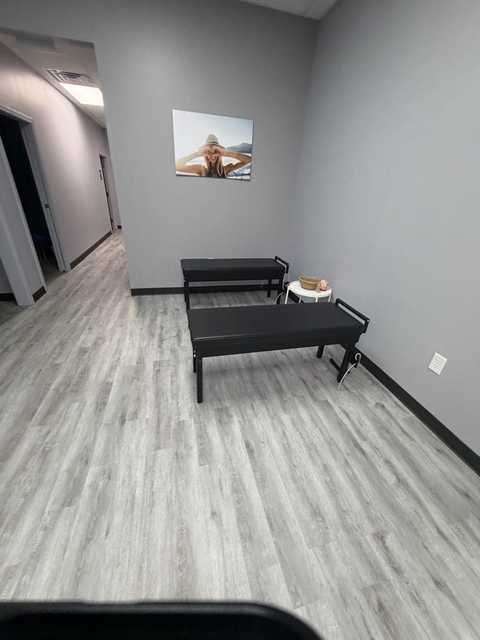
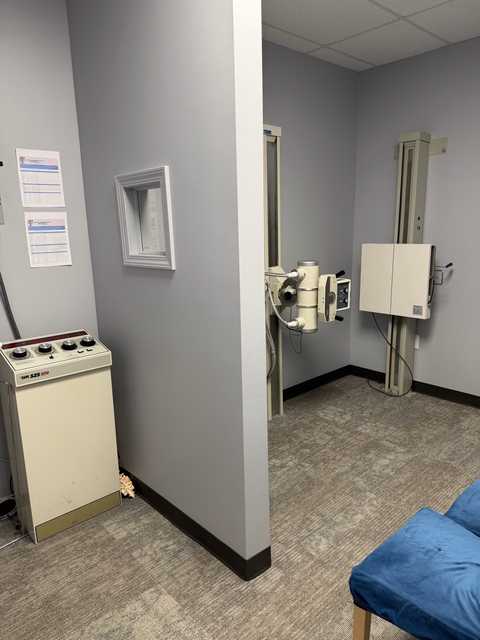
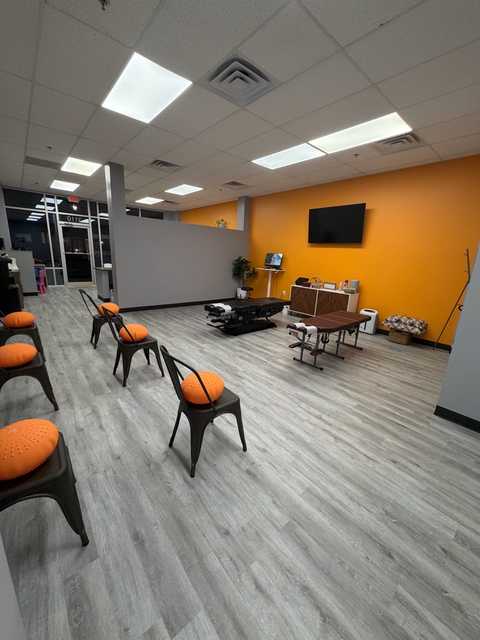
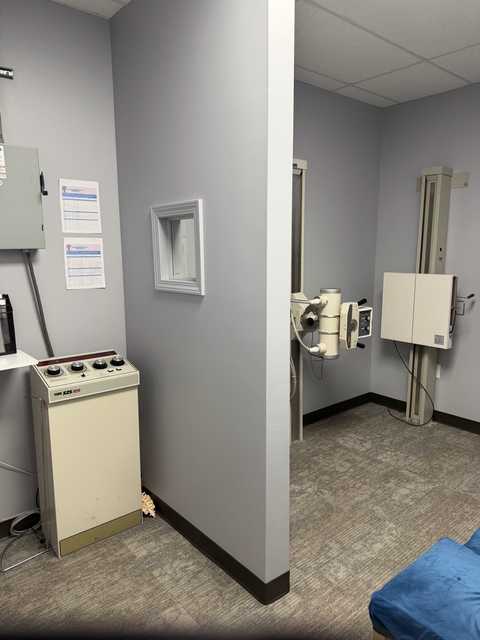
See examples of our Diversified Technique Shoulder Pain Treatment work and results.
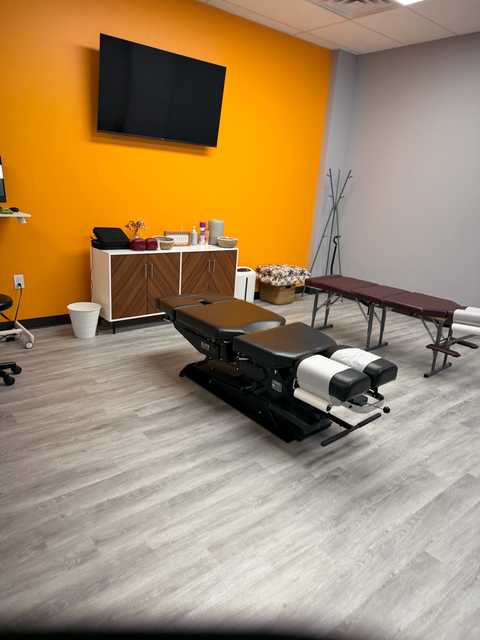
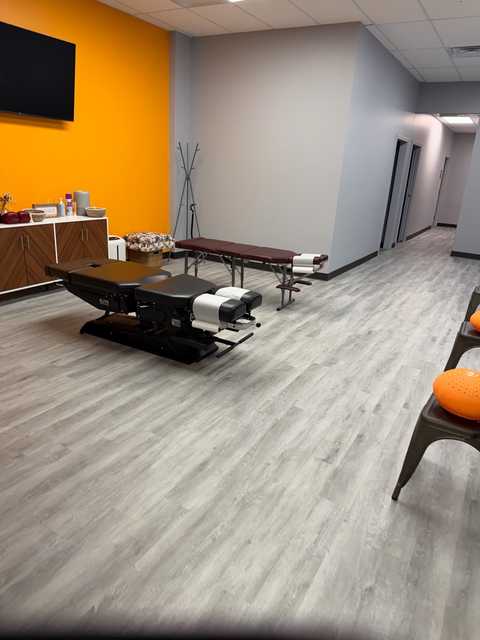
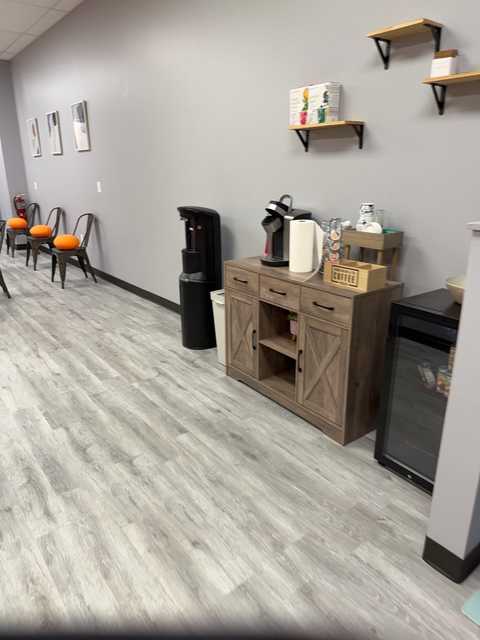
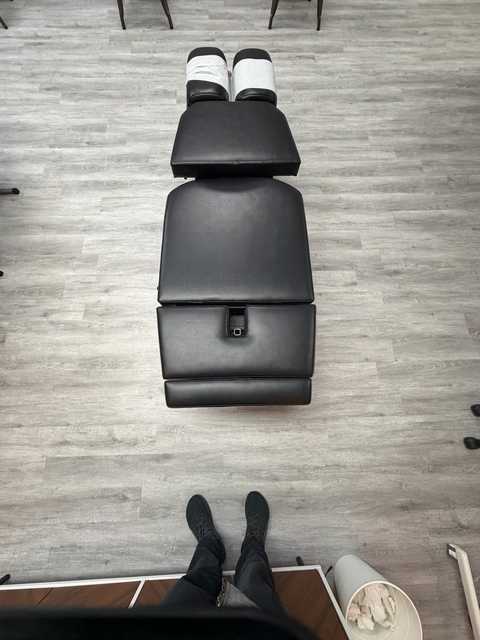
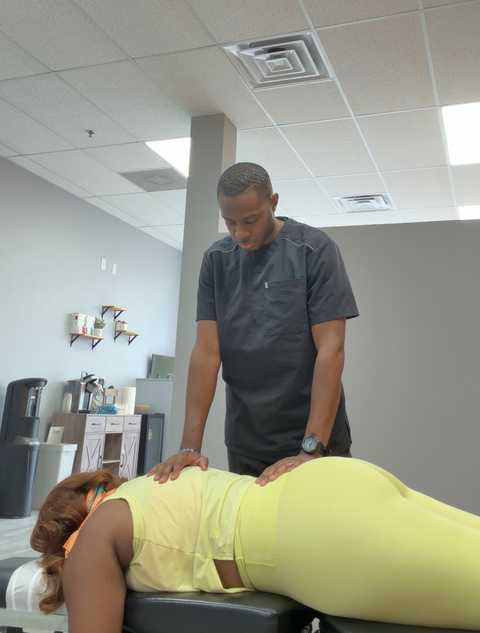
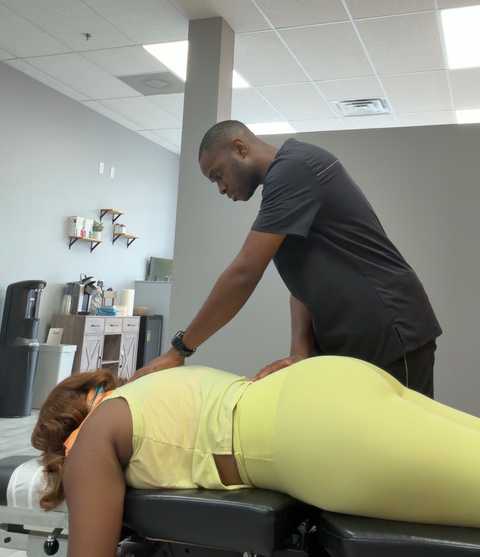


What Our Clients Say
$$MultiPurposeText$$
Read testimonials from our satisfied customers

Dr. Matthew was amazing. Hes so respectful and helpful HIGHLY RECOMMEND

Dr Matt is a Pro!

I had a great experience here getting adjusted. They also have a massage therapist there a...more

Absolutely love this place. Best chiropractor I’ve experienced 100%

Great customer service. Dr Richmond provides you with a personal experience by sharing inf...more

Dr Richmond is very knowledgeable. He listens to your concerns. I’d recommend others for h...more

Frequently Asked Questions
Get answers to common questions about Diversified Technique Shoulder Pain Treatment.
During treatment you'll receive a focused exam, gentle manual adjustments, and soft tissue work tailored to your shoulder. Sessions typically last 15 to 30 minutes, promoting improved motion and reduced pain. The chiropractor explains techniques and makes home-care recommendations for faster recovery.
Yes. Diversified adjustments are modified for age and joint conditions. Your chiropractor evaluates arthritis severity, adjusts force and approach, and combines mobilization with gentle soft tissue therapy. This reduces pain and preserves mobility while minimizing risk when managed appropriately.
Treatment frequency varies by injury and response. Many patients notice improvement in two to six sessions, while chronic or complex cases may require longer plans. Your chiropractor sets a customized schedule, reassessing progress and adjusting care to reach functional goals.
Most patients feel brief pressure or popping sensations but not significant pain. Techniques are delivered with controlled force and can be modified for comfort. If you experience discomfort, communicate with your chiropractor for gentler approaches or complementary therapies.
Yes. Diversified adjustments combined with soft tissue work, stretches, and rehab improve mechanics and reduce compression in impingement and tendinopathy. A comprehensive plan targets mobility, muscle balance, and tendon healing to decrease pain and restore function over time.
Certain conditions—recent fractures, severe osteoporosis, active infections, or unstable neurologic signs—may preclude adjustments. Your chiropractor conducts a thorough evaluation and imaging when needed to determine safety, offering alternative therapies if manual adjustments aren't appropriate.