

Diversified Technique Joint Dysfunction Care Gallery
$$MultiPurposeText$$
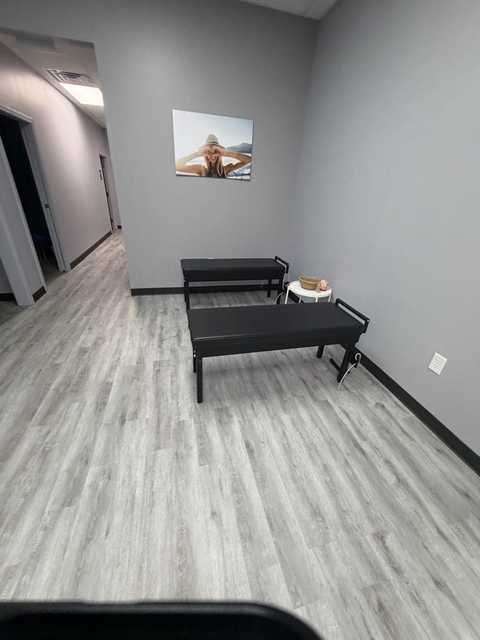
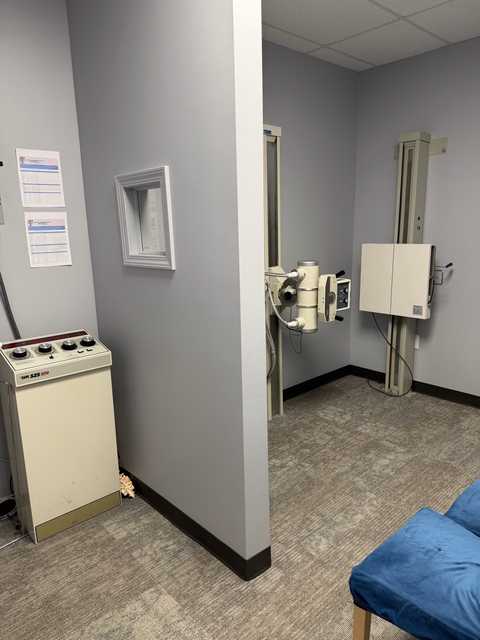
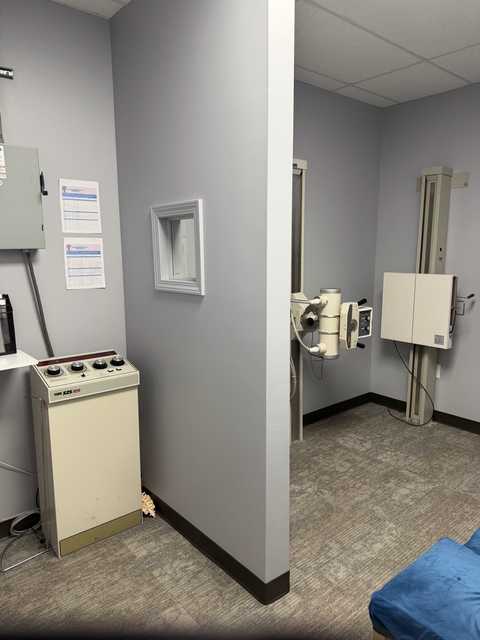
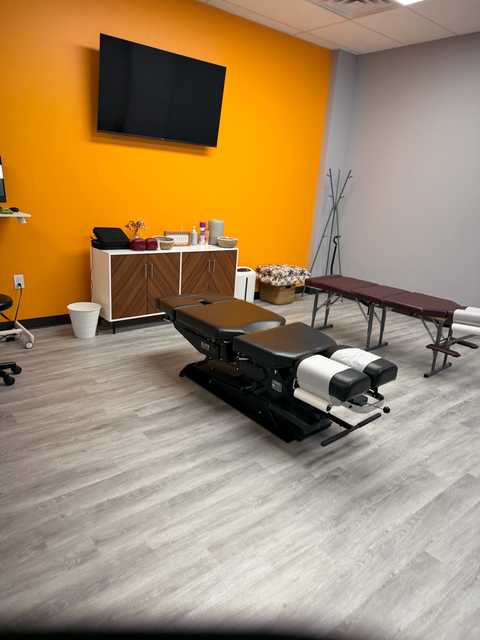
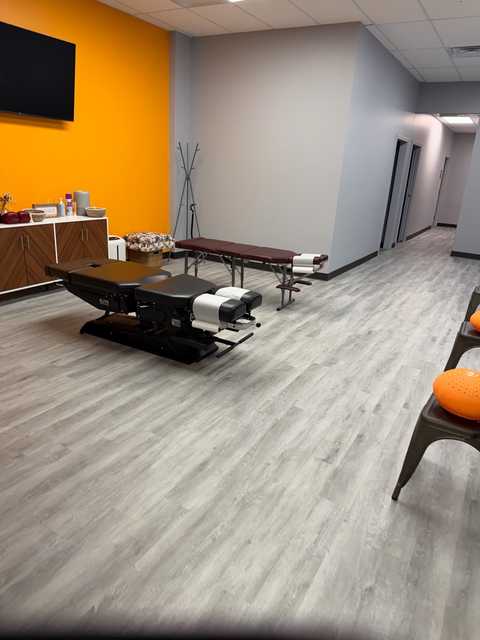
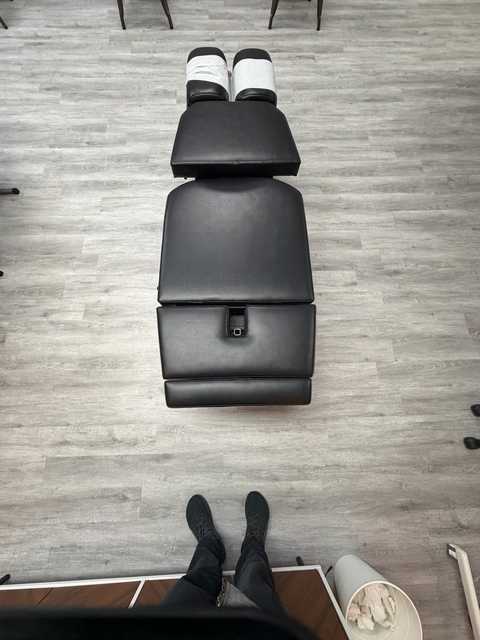
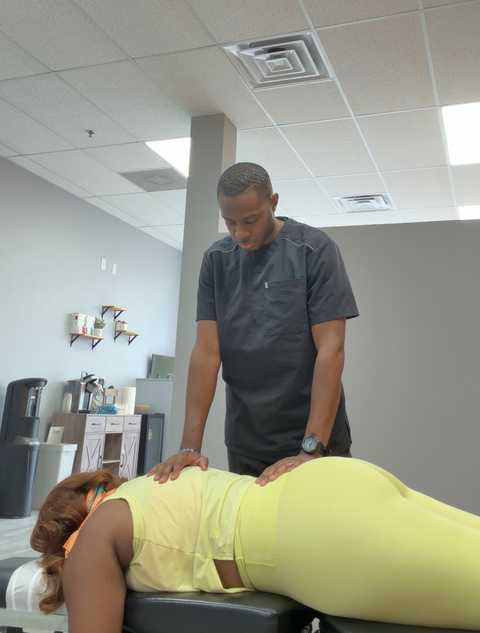
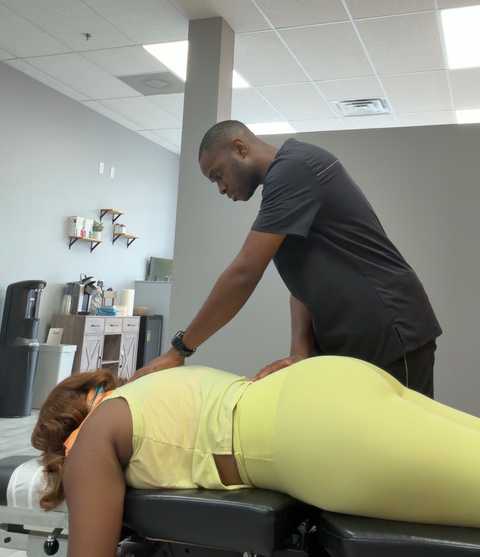
See examples of our Diversified Technique Joint Dysfunction Care work and results.




What Our Clients Say
$$MultiPurposeText$$
Read testimonials from our satisfied customers

Dr. Matthew was amazing. Hes so respectful and helpful HIGHLY RECOMMEND

Dr Matt is a Pro!

I had a great experience here getting adjusted. They also have a massage therapist there a...more

Absolutely love this place. Best chiropractor I’ve experienced 100%

Great customer service. Dr Richmond provides you with a personal experience by sharing inf...more

Dr Richmond is very knowledgeable. He listens to your concerns. I’d recommend others for h...more

Frequently Asked Questions
Get answers to common questions about Diversified Technique Joint Dysfunction Care.
Sessions begin with assessment and joint mobility testing. The chiropractor uses hands-on diversified adjustments tailored to your joints, followed by soft tissue work and home care advice. Most visits last 15 to 30 minutes depending on complexity and goals.
Generally yes; diversified adjustments are safe when performed by a licensed chiropractor who considers your medical history. Modifications are made for conditions like osteoporosis, recent fractures, or advanced arthritis. A thorough evaluation ensures appropriate, comfortable treatment.
Treatment plans vary; acute issues may need several visits over a few weeks, while chronic or complex dysfunctions often require longer care with periodic maintenance. Your chiropractor will create a personalized schedule based on progress, goals, and functional improvements.
Mild, temporary soreness or stiffness is common as tissues adapt to improved alignment. Symptoms usually resolve within 24 to 72 hours. Applying ice, gentle movement, and following prescribed stretches or rest recommendations helps recovery. Severe or lasting pain should be reported immediately.
Yes. Diversified adjustments target joints throughout the body, including shoulders, knees, hips, and wrists. The chiropractor evaluates alignment and movement, then uses precise manual techniques combined with rehabilitation exercises to restore function and reduce compensatory strain.
Coverage varies by insurer and plan. Many policies include chiropractic services when medically necessary. Our office can verify benefits, explain copays and visit limits, and provide documentation for claims. We also offer self-pay options and flexible payment plans.