

Diversified Technique Hip And Knee Pain Treatment Gallery
$$MultiPurposeText$$
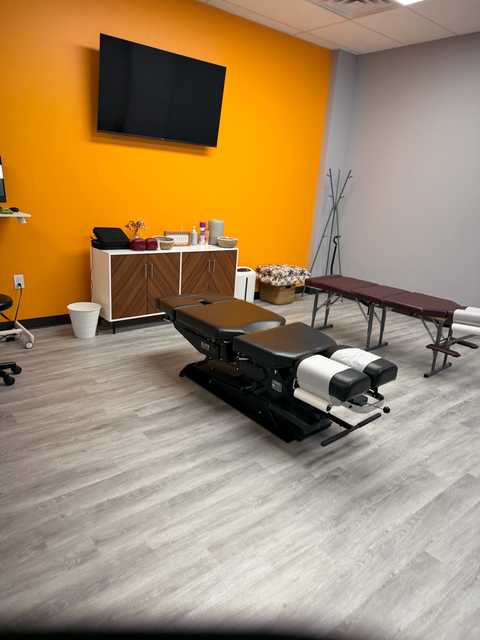
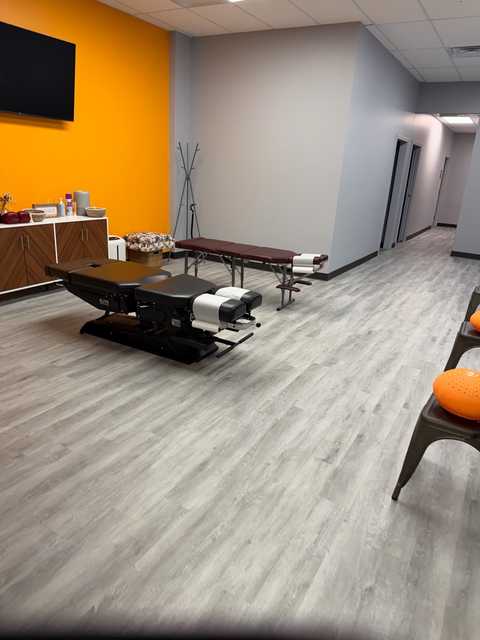
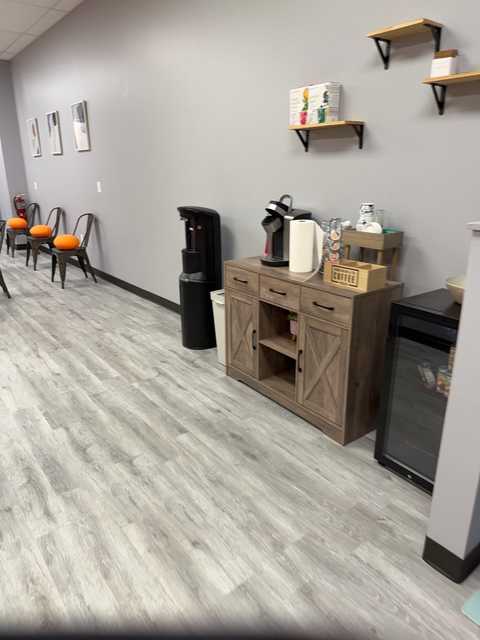
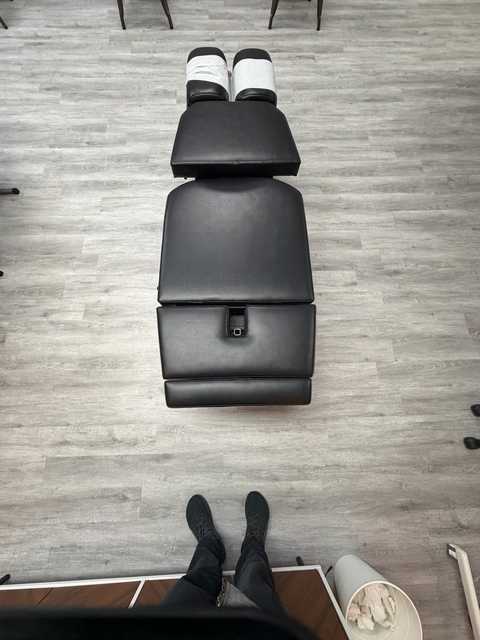
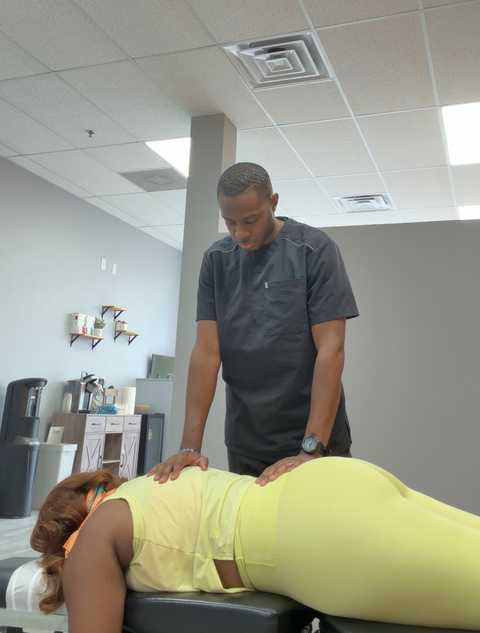
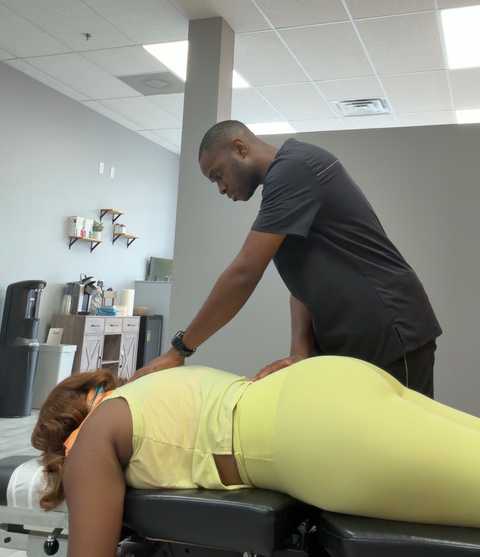
See examples of our Diversified Technique Hip And Knee Pain Treatment work and results.


What Our Clients Say
$$MultiPurposeText$$
Read testimonials from our satisfied customers

Dr. Matthew was amazing. Hes so respectful and helpful HIGHLY RECOMMEND

Dr Matt is a Pro!

I had a great experience here getting adjusted. They also have a massage therapist there a...more

Absolutely love this place. Best chiropractor I’ve experienced 100%

Great customer service. Dr Richmond provides you with a personal experience by sharing inf...more

Dr Richmond is very knowledgeable. He listens to your concerns. I’d recommend others for h...more

Frequently Asked Questions
Get answers to common questions about Diversified Technique Hip And Knee Pain Treatment.
Response time varies by condition severity and chronicity. Many patients notice reduced discomfort and improved mobility within two to four sessions, while chronic cases often require a longer, personalized program combining adjustments, exercises, and lifestyle guidance for lasting results.
Yes. Diversified adjustments are tailored to each person's health and bone integrity. Our chiropractors perform gentle, controlled maneuvers and may modify techniques for osteoporosis or other age-related concerns, prioritizing comfort while aiming to improve alignment and reduce joint pain.
Imaging such as X-rays or MRI is sometimes recommended to assess joint structure, rule out serious conditions, or guide care. We evaluate each patient and only order tests when necessary to ensure safe, targeted chiropractic treatment for hips and knees.
Treatment plans vary—acute issues may improve in a few visits, while chronic problems can require several weeks of care. We create individualized programs with specific adjustment frequency, home exercises, and progress checks to reach lasting hip and knee function.
Yes. By correcting misalignments and improving joint mechanics, this technique often increases range of motion, stability, and gait. Combined with targeted rehabilitation exercises, patients commonly regain functional mobility and confidence for daily activities and recreational pursuits.
No. Diversified chiropractic care is non-invasive and hands-on, using precise manual adjustments to restore joint alignment. It does not involve needles or surgery. If advanced medical intervention is needed, we coordinate referrals and integrate care with other specialists.