

Digital X-Ray For Spinal Misalignments Gallery
$$MultiPurposeText$$
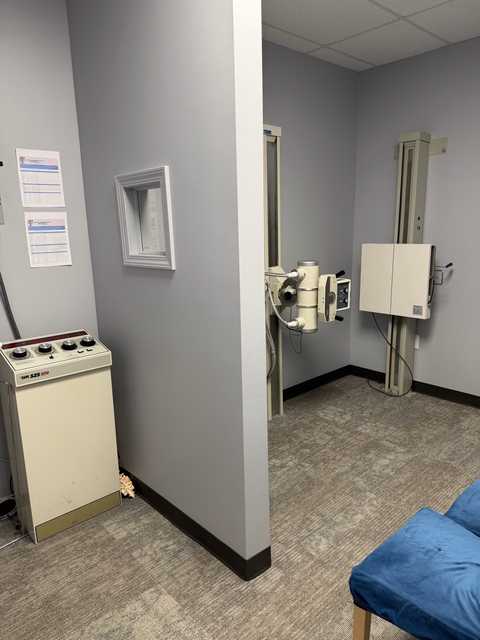
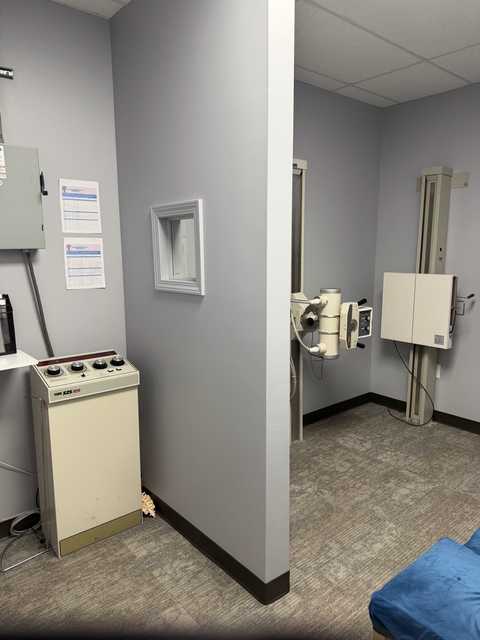
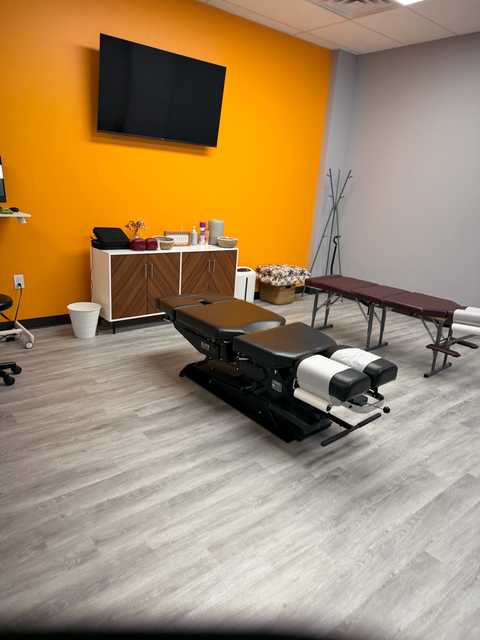
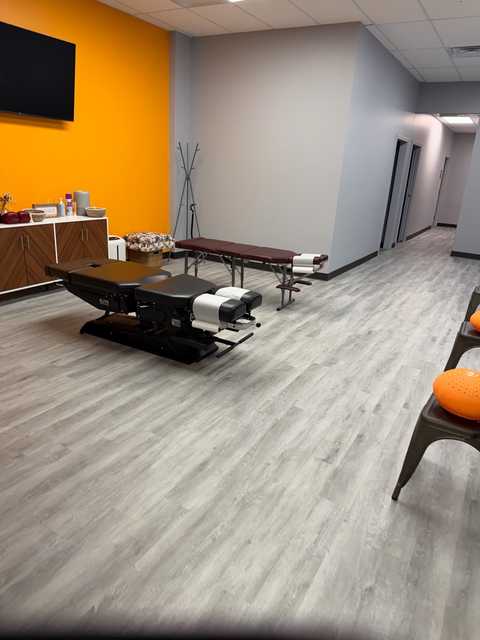
See examples of our Digital X-Ray For Spinal Misalignments work and results.







What Our Clients Say
$$MultiPurposeText$$
Read testimonials from our satisfied customers

Dr. Matthew was amazing. Hes so respectful and helpful HIGHLY RECOMMEND

Dr Matt is a Pro!

I had a great experience here getting adjusted. They also have a massage therapist there a...more

Absolutely love this place. Best chiropractor I’ve experienced 100%

Great customer service. Dr Richmond provides you with a personal experience by sharing inf...more

Dr Richmond is very knowledgeable. He listens to your concerns. I’d recommend others for h...more

Frequently Asked Questions
Get answers to common questions about Digital X-Ray For Spinal Misalignments.
We position you briefly and take high-resolution digital images of the spine. The chiropractor reviews alignment, joint spacing, and structural abnormalities to identify misalignments. Images are immediately available, allowing accurate diagnosis and informing a personalized treatment plan focused on correction and symptom relief.
Yes. Digital radiography uses advanced sensors that require significantly less radiation than traditional film X-rays, improving safety while maintaining image quality. We minimize exposure with careful protocols; pregnant patients should inform us so we can take extra precautions or consider alternative imaging when necessary.
Coverage varies by provider and plan, but many insurance policies cover diagnostic X-rays when medically necessary. Connected Health Suwanee verifies benefits before treatment, explains any out-of-pocket costs, and can assist with claims or provide receipts for reimbursement.
Digital X-rays are available immediately after imaging, so your chiropractor can review results during the same visit. If additional specialist interpretation or comparison with prior studies is needed, we’ll communicate timelines and ensure prompt follow-up.
Preparation is minimal: wear loose clothing and remove jewelry or metal objects that could interfere with images. Bring past imaging or medical records if available. Inform us if you’re pregnant; special precautions or alternative imaging may be recommended.
Yes. Comparing baseline and follow-up digital X-rays helps our team measure alignment changes, monitor corrective progress, and refine treatment plans. We balance the benefits against radiation exposure and only repeat imaging when clinically justified to ensure safe, meaningful monitoring.