

Digital X-Ray For Joint Pain Gallery
$$MultiPurposeText$$
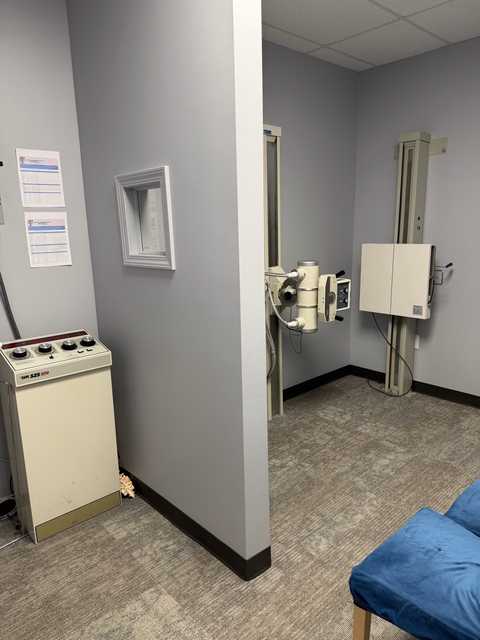
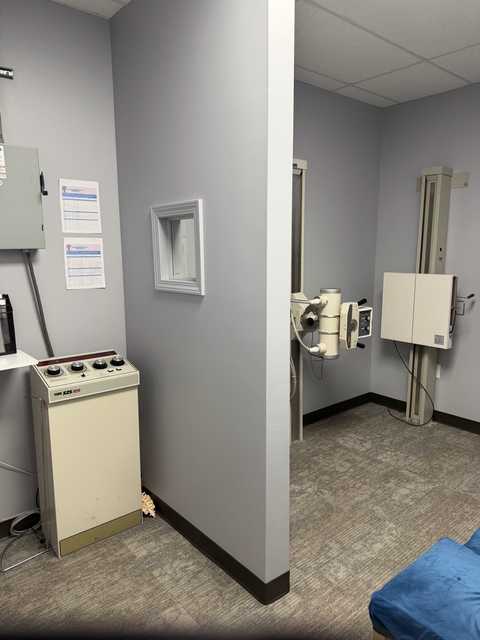
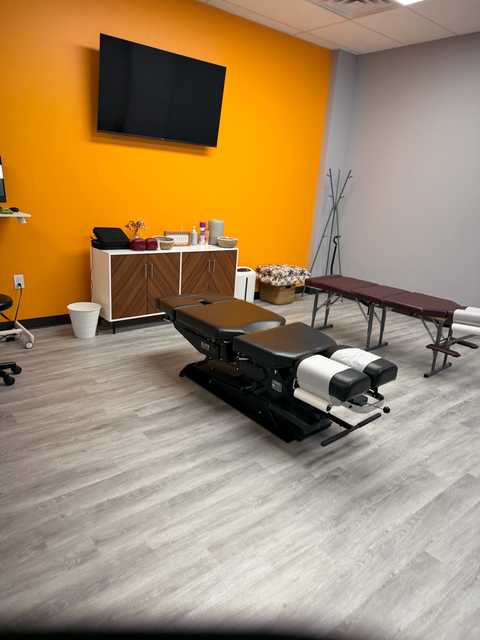
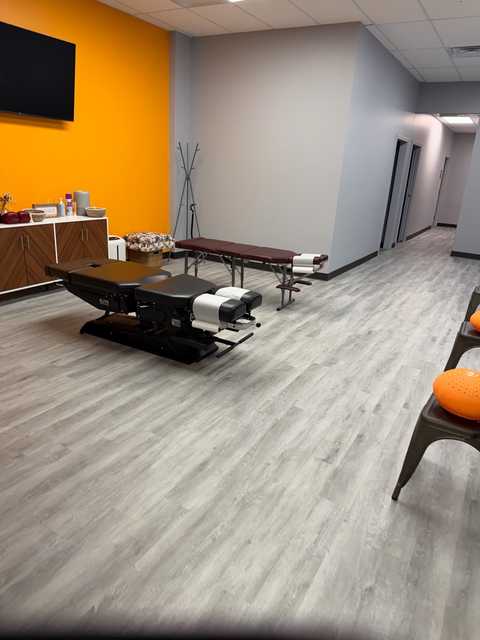
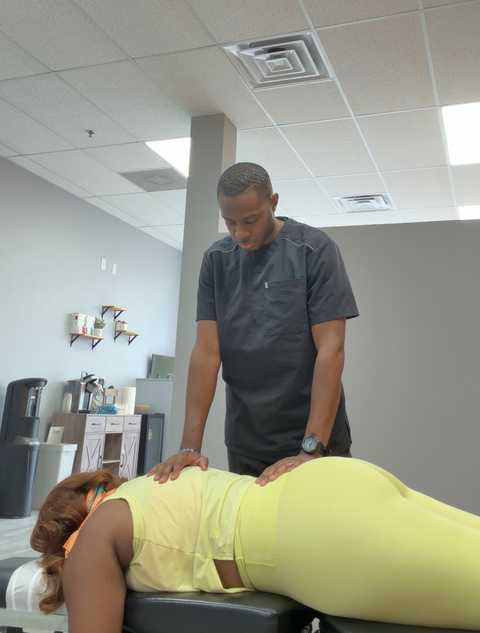
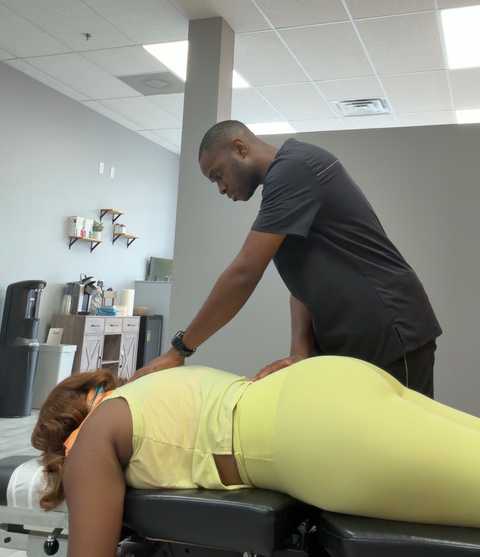
See examples of our Digital X-Ray For Joint Pain work and results.






What Our Clients Say
$$MultiPurposeText$$
Read testimonials from our satisfied customers

Dr. Matthew was amazing. Hes so respectful and helpful HIGHLY RECOMMEND

Dr Matt is a Pro!

I had a great experience here getting adjusted. They also have a massage therapist there a...more

Absolutely love this place. Best chiropractor I’ve experienced 100%

Great customer service. Dr Richmond provides you with a personal experience by sharing inf...more

Dr Richmond is very knowledgeable. He listens to your concerns. I’d recommend others for h...more

Frequently Asked Questions
Get answers to common questions about Digital X-Ray For Joint Pain.
We position you for targeted imaging of the affected joint, capture high-resolution digital images, and review them with you. The images highlight bone alignment, joint space, and degeneration, guiding our diagnosis and immediate treatment recommendations.
Yes. Modern digital X-rays use minimal radiation and are considered safe for most patients, including seniors. We follow strict protocols and only recommend repeat imaging when clinically necessary to monitor progress or adjust care plans.
Digital X-rays excel at revealing bone-related issues — fractures, alignment, and joint space narrowing. They do not reliably show soft tissues such as tendons or ligaments; ultrasound or MRI may be recommended when soft-tissue injury is suspected.
The imaging portion typically takes only a few minutes. Allow extra time for positioning and review with your clinician, so plan on a short appointment where we can capture the necessary views and discuss initial findings.
Often no referral is required; we can order digital X-rays in-house during your visit. Insurance policies vary, so we’ll verify coverage and discuss any out-of-pocket costs before proceeding to ensure transparency.
X-ray findings identify structural contributors to pain, such as arthritis or misalignment. With clear images, we can target chiropractic adjustments, recommend physical therapy, injections, or refer to specialists, creating a focused and measurable care plan tailored to your joint condition.