

Digital X-Ray For Herniated Discs Gallery
$$MultiPurposeText$$
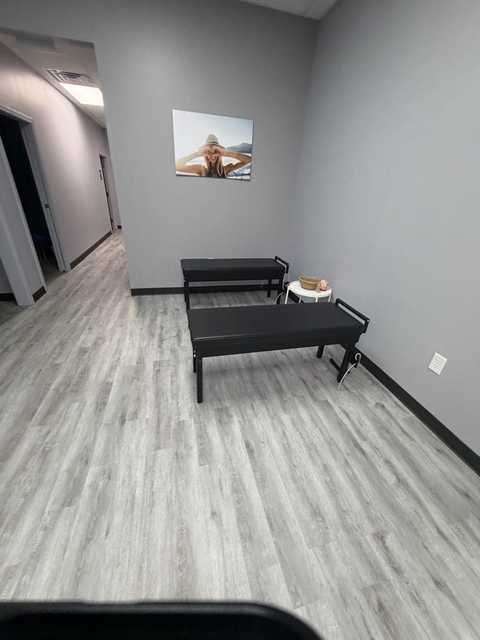
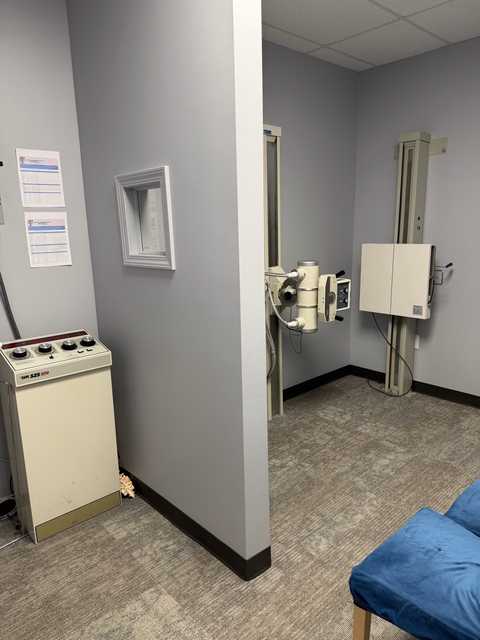
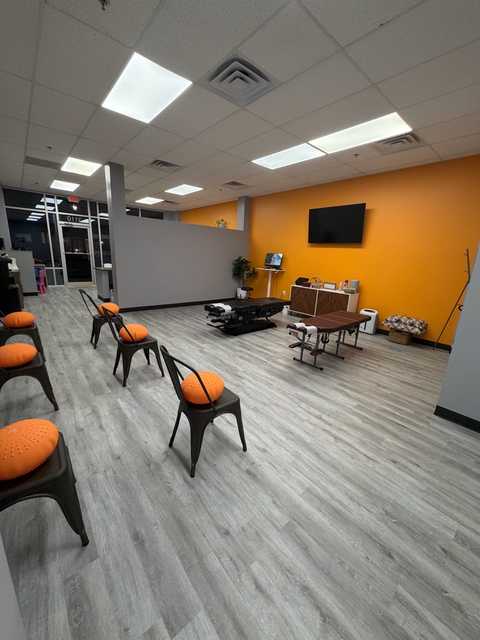
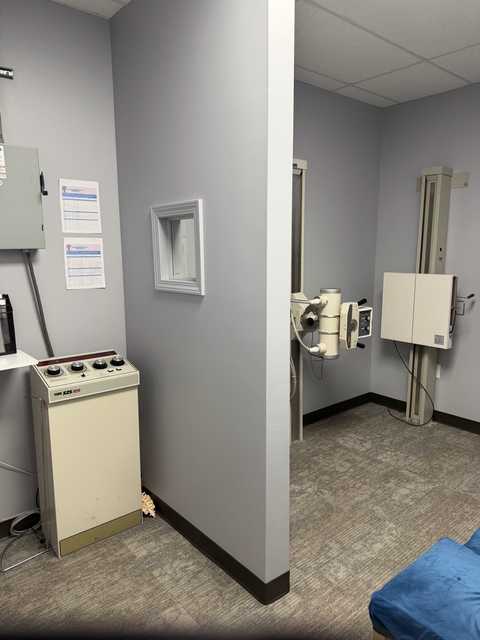
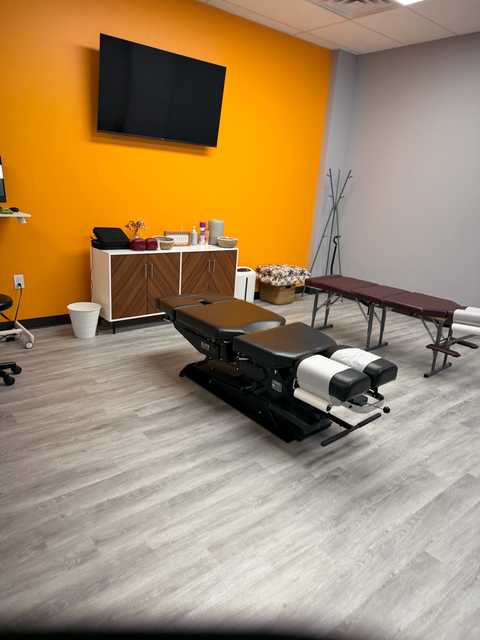
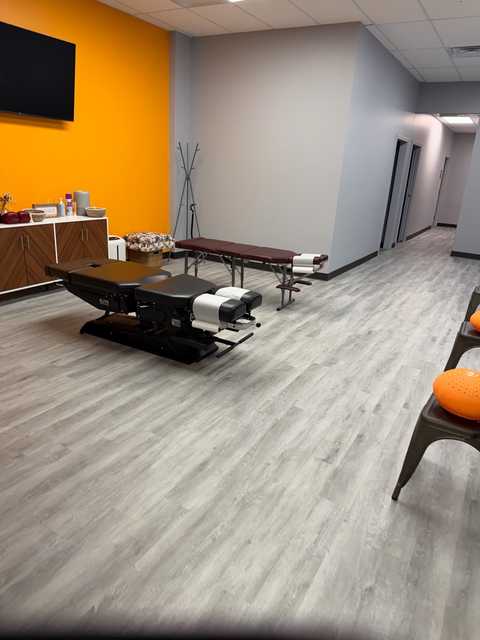
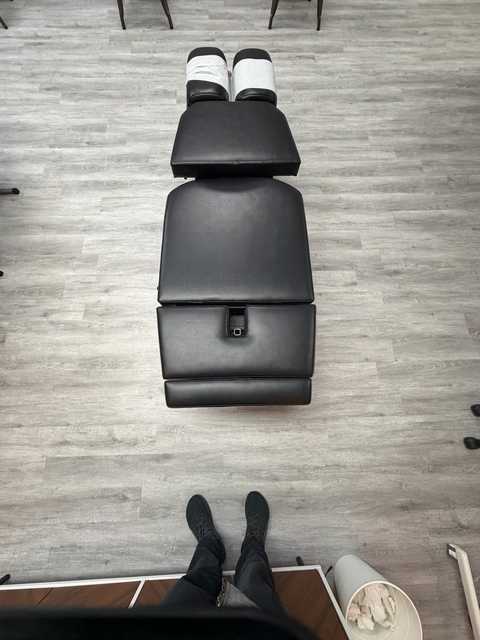
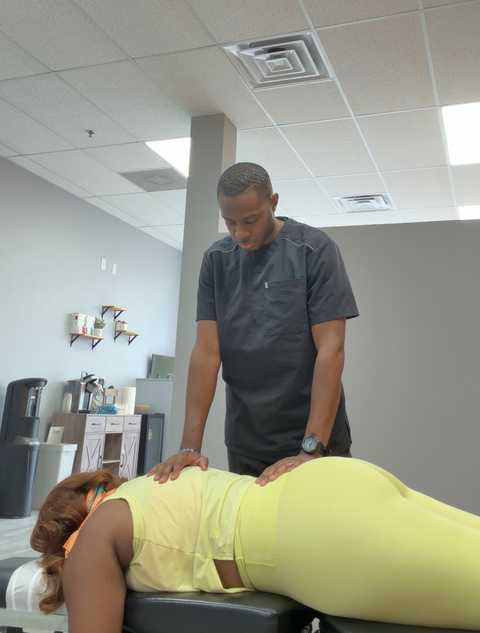
See examples of our Digital X-Ray For Herniated Discs work and results.



What Our Clients Say
$$MultiPurposeText$$
Read testimonials from our satisfied customers

Dr. Matthew was amazing. Hes so respectful and helpful HIGHLY RECOMMEND

Dr Matt is a Pro!

I had a great experience here getting adjusted. They also have a massage therapist there a...more

Absolutely love this place. Best chiropractor I’ve experienced 100%

Great customer service. Dr Richmond provides you with a personal experience by sharing inf...more

Dr Richmond is very knowledgeable. He listens to your concerns. I’d recommend others for h...more

Frequently Asked Questions
Get answers to common questions about Digital X-Ray For Herniated Discs.
Digital X-rays show bone alignment, vertebral spacing, and signs of disc space narrowing or degeneration. While they don't image soft tissue herniation directly like MRI, X-rays reveal structural clues that guide further testing and targeted chiropractic treatment planning.
We avoid X-rays during pregnancy unless absolutely necessary. If imaging is required, we use shielding and low-dose digital protocols and consult with your obstetrician. Often MRI or deferred imaging is preferred to eliminate fetal radiation exposure.
Wear comfortable, loose clothing and avoid metal or jewelry around the imaging area. Bring previous imaging or medical records, inform staff of pregnancy or implants, and arrive a few minutes early to complete consent and intake forms.
Coverage varies by provider and policy. Digital X-rays are often covered when medically necessary for diagnosing back pain or suspected herniation. We can verify benefits, submit claims on your behalf, and discuss out-of-pocket costs before proceeding.
The X-ray procedure itself typically takes only a few minutes, while total appointment time including positioning and discussion is usually 15 to 30 minutes. Complex cases or additional views may extend the visit slightly.
Digital X-rays detect bony changes, misalignment, and disc space narrowing but cannot directly visualize soft tissue herniation. If X-rays suggest a problem, we often order MRI for detailed soft tissue imaging to confirm herniation and plan treatment.