

Digital X-Ray For Degenerative Conditions Gallery
$$MultiPurposeText$$
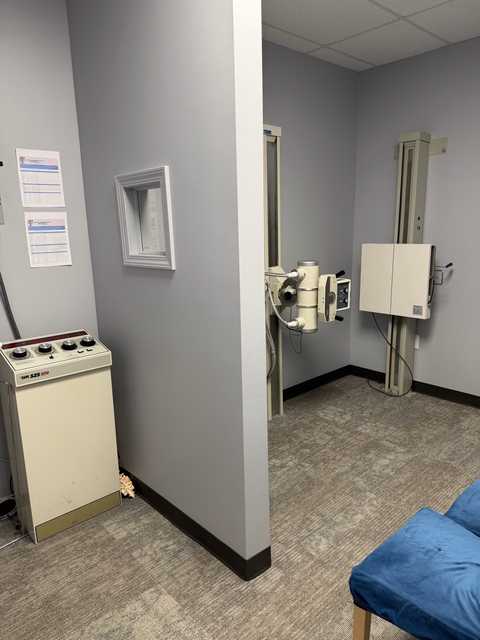
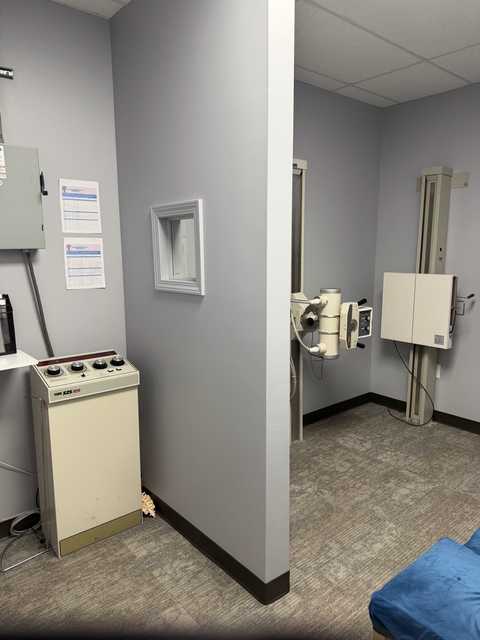
See examples of our Digital X-Ray For Degenerative Conditions work and results.










What Our Clients Say
$$MultiPurposeText$$
Read testimonials from our satisfied customers

Dr. Matthew was amazing. Hes so respectful and helpful HIGHLY RECOMMEND

Dr Matt is a Pro!

I had a great experience here getting adjusted. They also have a massage therapist there a...more

Absolutely love this place. Best chiropractor I’ve experienced 100%

Great customer service. Dr Richmond provides you with a personal experience by sharing inf...more

Dr Richmond is very knowledgeable. He listens to your concerns. I’d recommend others for h...more

Frequently Asked Questions
Get answers to common questions about Digital X-Ray For Degenerative Conditions.
Digital X-rays visualize bone structures, detecting osteoarthritis, degenerative disc disease, joint space narrowing, bone spurs and misalignment. Findings allow your chiropractor to diagnose degeneration early and recommend targeted conservative care or further testing like MRI if soft tissue detail is needed.
Yes. Digital X-ray systems use low-dose radiation and modern detectors, significantly reducing exposure compared with film. Repeated studies are generally safe when medically necessary; we'll follow strict safety protocols and only image when benefits outweigh minimal risk.
Most appointments take 15 to 30 minutes including positioning and a brief review. The actual X-ray exposure is seconds; we allow time to ensure proper views and comfort so images are diagnostic on the first attempt.
Digital X-rays can reveal early arthritic signs like joint space narrowing, bone spurs, and subchondral changes. While excellent for bone evaluation, they may not show early soft tissue degeneration, so we may recommend additional imaging if symptoms persist.
Often no referral is required; you can schedule imaging directly with Connected Health Suwanee. Insurance rules vary, so we'll verify benefits and authorization requirements beforehand to avoid unexpected costs.
After imaging, your chiropractor reviews the X-rays with you, pointing out degenerative changes and explaining their clinical significance. We discuss treatment options, expected outcomes, and any need for further tests like MRI or specialist referral.