

Pregnancy-Related Discomfort Management Gallery
$$MultiPurposeText$$
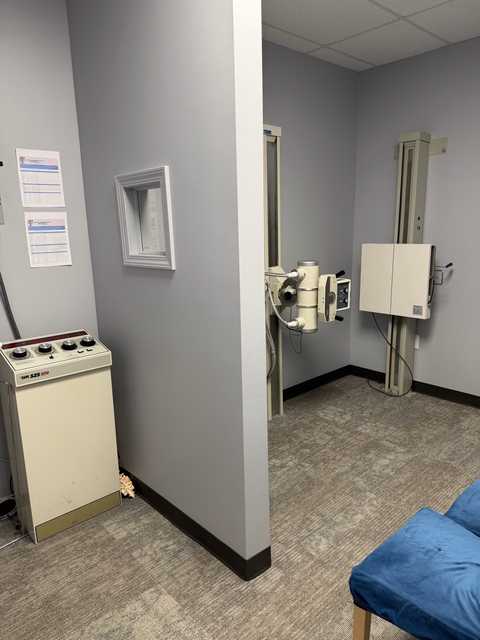
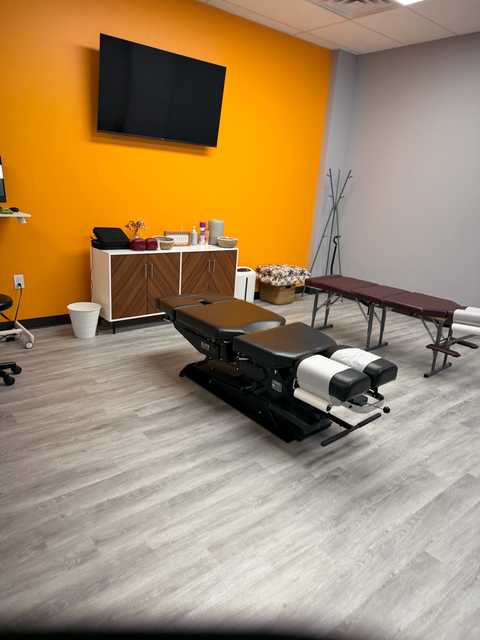
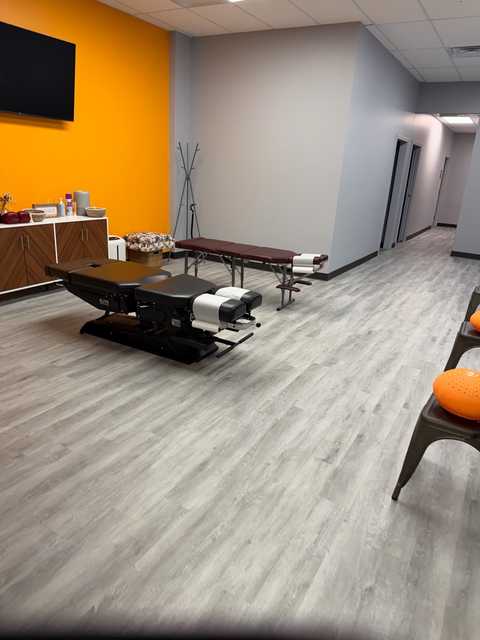
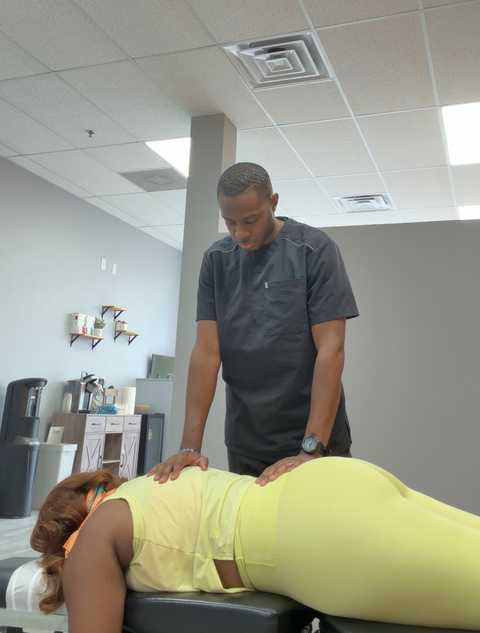
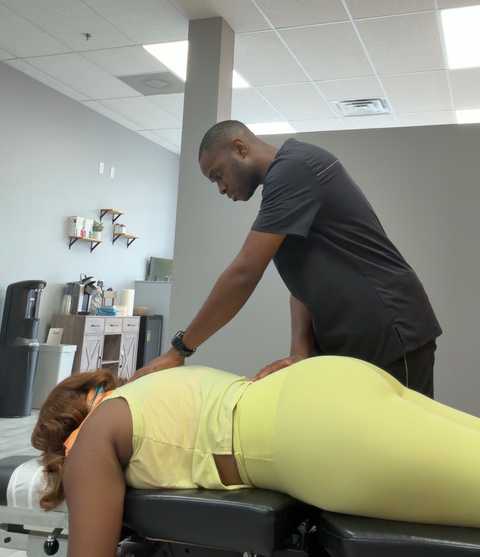
See examples of our Pregnancy-Related Discomfort Management work and results.







What Our Clients Say
$$MultiPurposeText$$
Read testimonials from our satisfied customers

I had a great experience here getting adjusted. They also have a massage therapist there a...more

Absolutely love this place. Best chiropractor I’ve experienced 100%

I had a great experience with Dr. Matthew at the chiropractor. From the moment I walked in...more

I can’t say enough great things about Dr. Matthew. I had been dealing with shoulder pain f...more

This practice has really broaden my horizon on spine health. I have enjoyed my visits and ...more

...more
Frequently Asked Questions
Get answers to common questions about Pregnancy-Related Discomfort Management.
Yes. At Connected Health Suwanee we use pregnancy-specific protocols, modified positioning, and gentle techniques. Your chiropractor will review medical history and consult with your prenatal provider when needed to ensure safe, individualized care throughout pregnancy.
Many women begin care as soon as discomfort appears, often in the second trimester, though safe adjustments can be provided earlier or later. We evaluate each patient individually to determine the best timing and treatment plan for comfort and safety.
Yes, targeted adjustments and soft-tissue techniques can reduce nerve irritation and muscle tension contributing to sciatica. By improving spinal and pelvic alignment we often decrease radiating pain and restore mobility, though responses vary and we tailor care to each patient.
Yes. We modify techniques, use supportive pillows, and avoid prone positioning. Third-trimester care focuses on comfort, pelvic balance, and preparing the body for labor while prioritizing maternal and fetal safety through careful assessment.
Frequency varies—some patients feel relief after one visit, others benefit from weekly sessions. Your chiropractor will create a personalized plan based on symptom severity, stage of pregnancy, response to care, and lifestyle to achieve optimal comfort.
Absolutely. With your permission we communicate with your OB or midwife to align care plans, share findings, and ensure safe, complementary treatment. Collaborative care helps manage symptoms and supports overall prenatal health and delivery planning.