

Carpal Tunnel Syndrome Treatment Gallery
$$MultiPurposeText$$
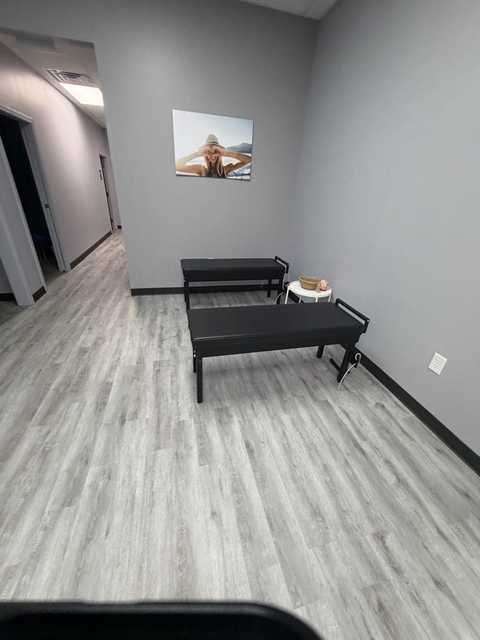
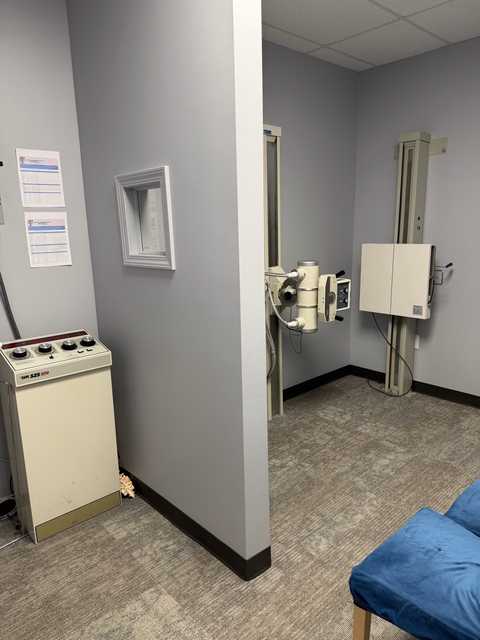
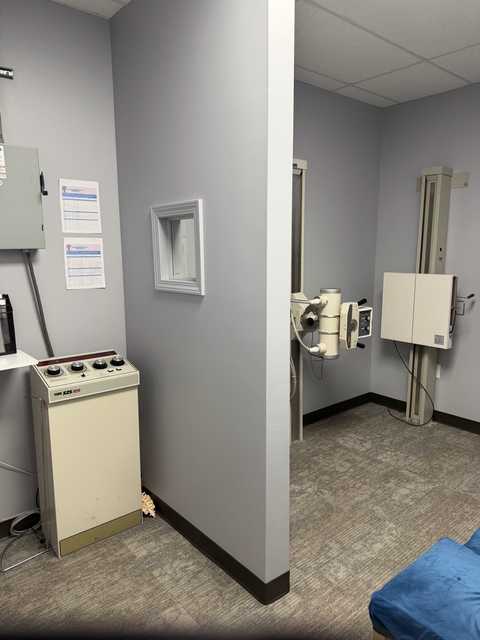
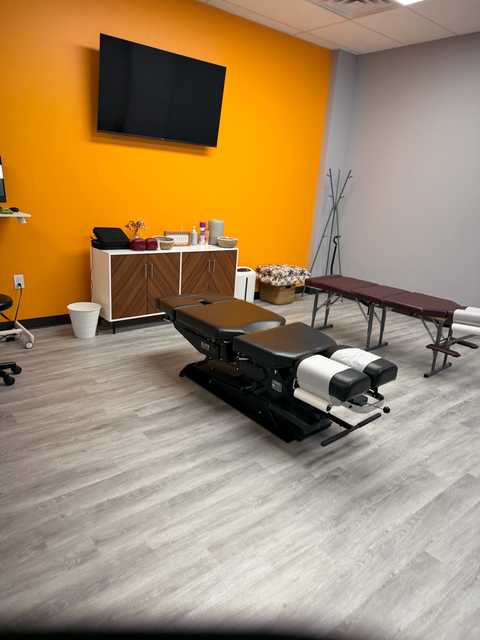
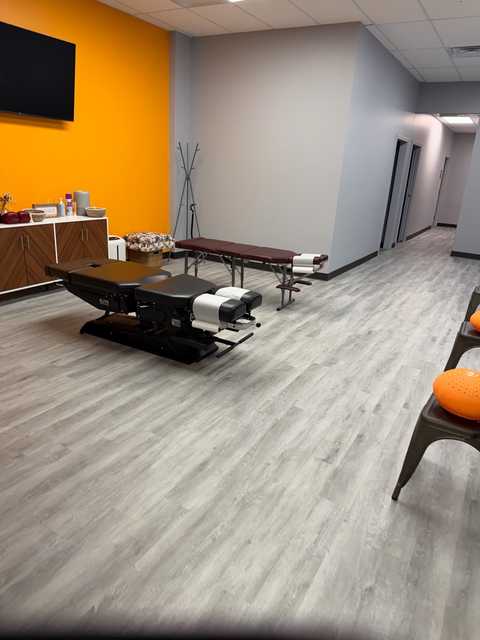
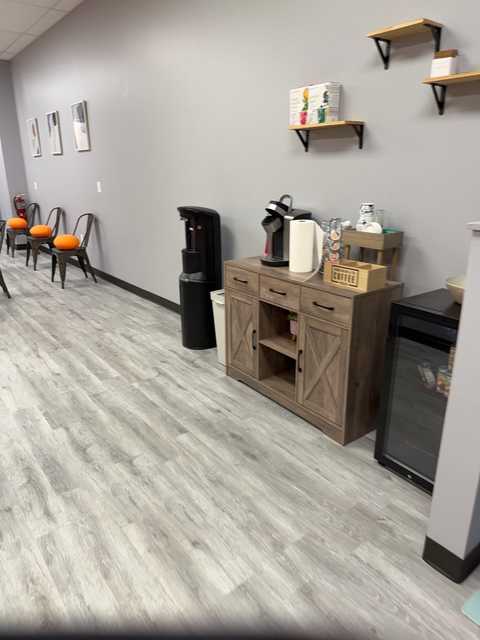
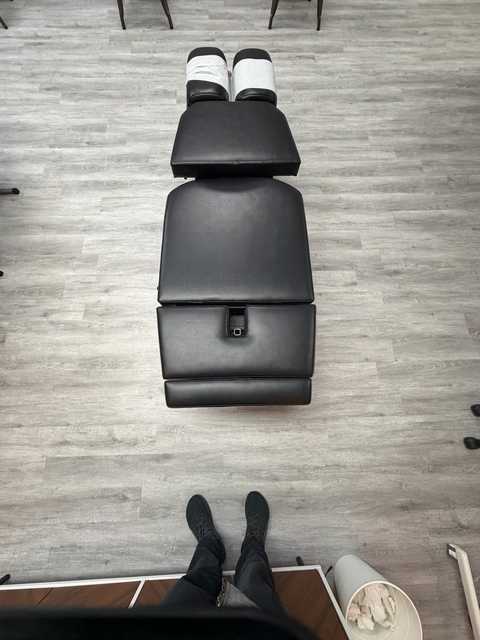
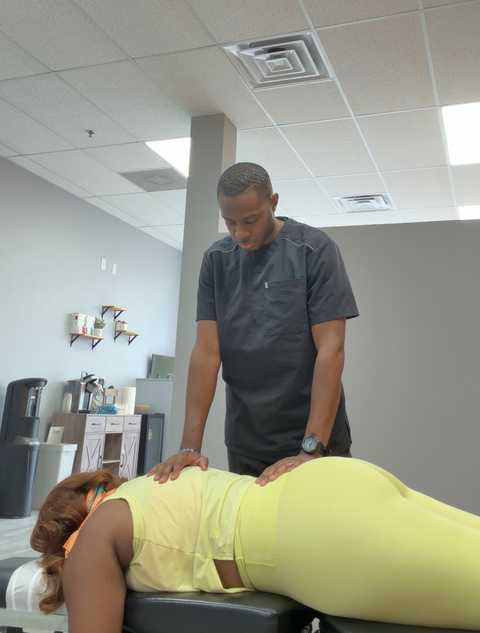
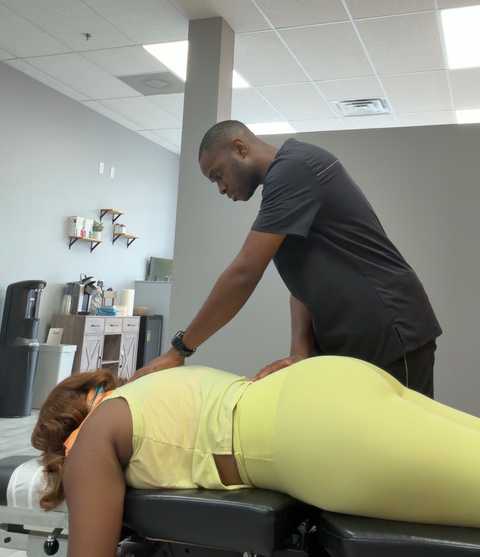
See examples of our Carpal Tunnel Syndrome Treatment work and results.



What Our Clients Say
$$MultiPurposeText$$
Read testimonials from our satisfied customers

I had a great experience here getting adjusted. They also have a massage therapist there a...more

Absolutely love this place. Best chiropractor I’ve experienced 100%

I had a great experience with Dr. Matthew at the chiropractor. From the moment I walked in...more

I can’t say enough great things about Dr. Matthew. I had been dealing with shoulder pain f...more

This practice has really broaden my horizon on spine health. I have enjoyed my visits and ...more

...more
Frequently Asked Questions
Get answers to common questions about Carpal Tunnel Syndrome Treatment.
Carpal tunnel occurs when the median nerve is compressed by inflamed tissues, repetitive strain, or wrist misalignment. Chiropractic care reduces inflammation, improves wrist and forearm alignment, and relieves nerve pressure through adjustments, soft-tissue therapy, and tailored exercises to restore function.
We use precise wrist and forearm adjustments, joint mobilization, soft-tissue work, instrument-assisted methods, and nerve-gliding exercises. Therapies may include ultrasound, kinesiology taping, splint recommendations, and ergonomic coaching to reduce nerve irritation and support long-term wrist health.
Treatment frequency varies by severity. Many patients notice improvement in 4–8 visits; moderate cases often require 8–12 sessions. Severe or chronic compression may need ongoing care and home exercises. We assess progress regularly and tailor a plan toward functional recovery.
Yes—chiropractic care can be safely adapted for pregnancy and breastfeeding with modified techniques, positioning, and gentle mobilizations. We coordinate with your obstetric provider as needed and focus on non-invasive methods, splinting, and exercises to relieve symptoms without medications or surgery.
Chiropractic and conservative therapies often reduce symptoms enough to avoid surgery, especially when started early. Success depends on nerve damage severity and patient response. We monitor progress, coordinate referrals when surgery is necessary, and exhaust non-surgical options first.
Use a neutral wrist splint at night, apply ice after activity, modify repetitive tasks, and practice prescribed nerve-gliding and stretching exercises. Ergonomic keyboard or tool changes and regular breaks support treatment and speed recovery when combined with chiropractic care.