

Herniated Disc Treatment Gallery
$$MultiPurposeText$$
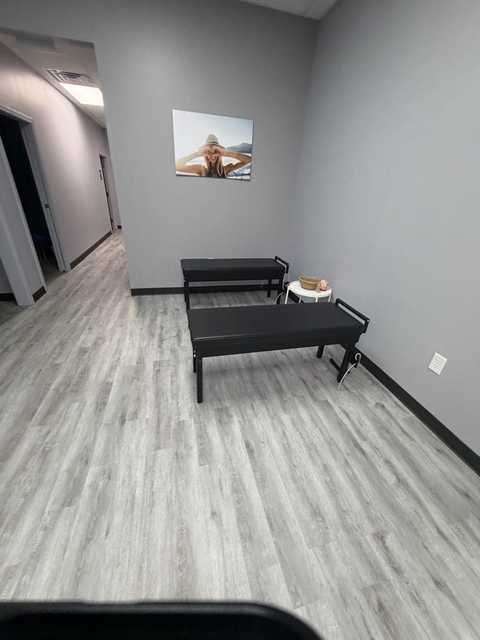
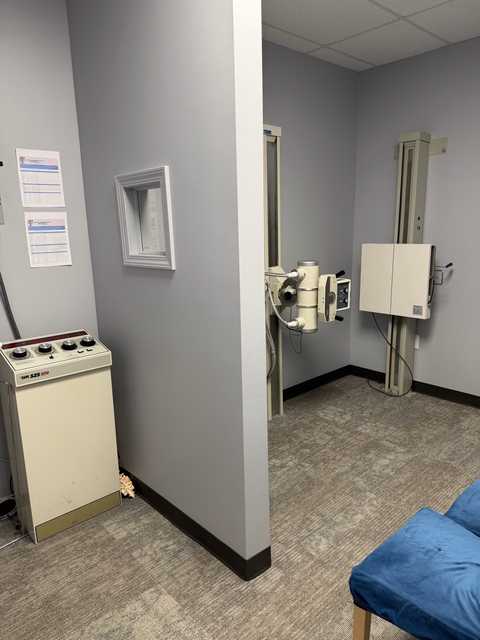
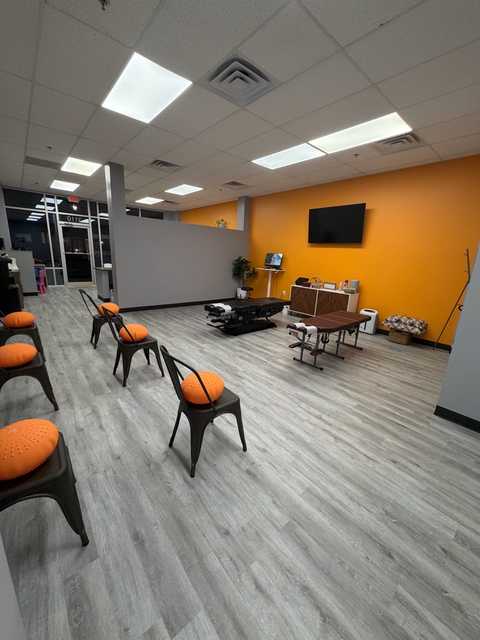
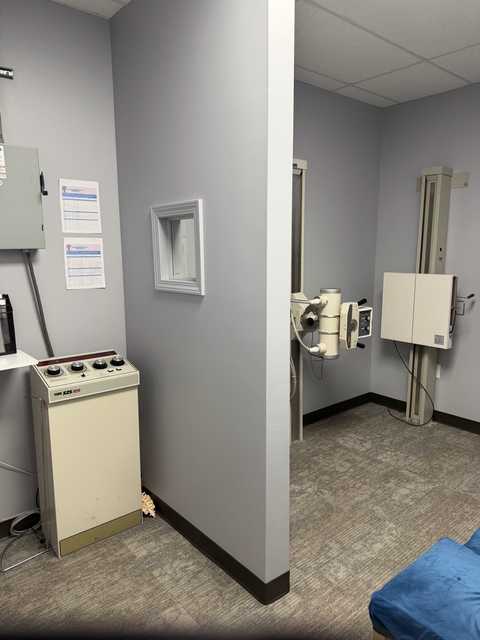
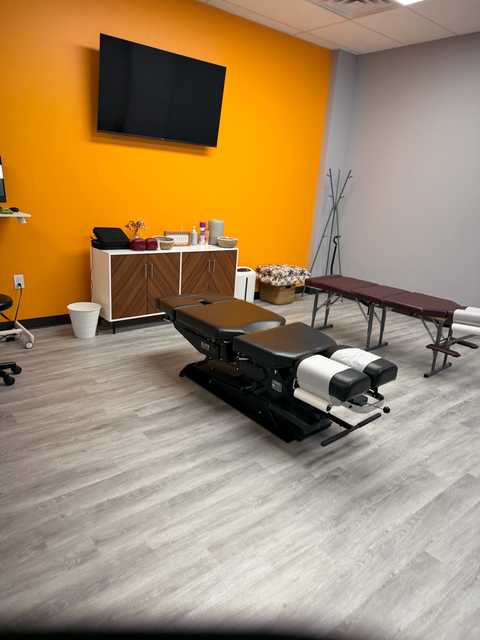
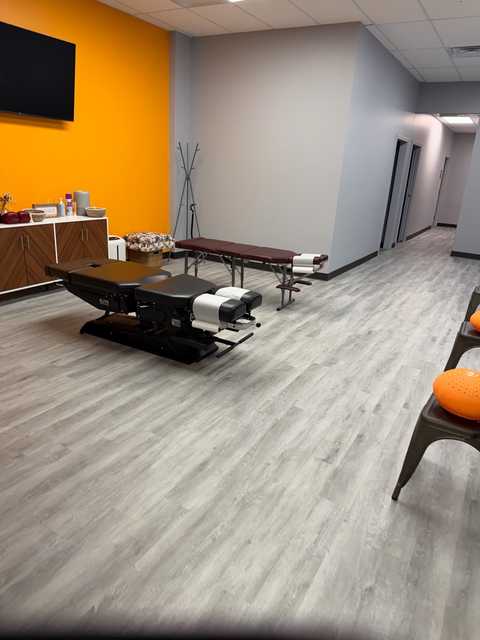
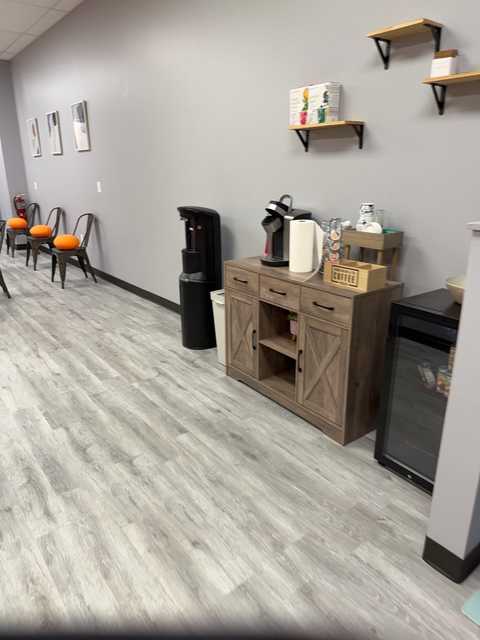
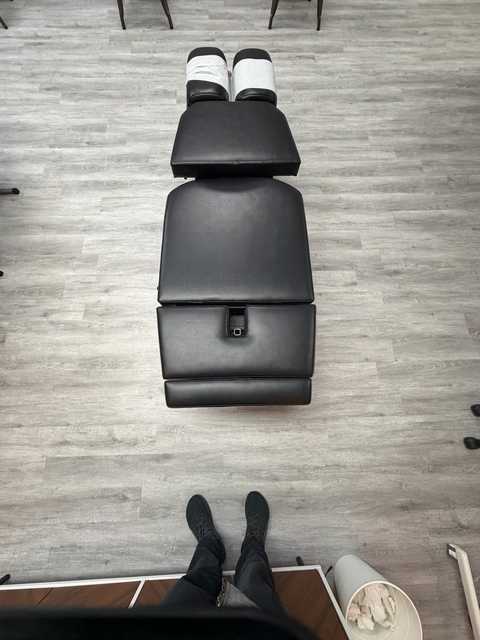
See examples of our Herniated Disc Treatment work and results.
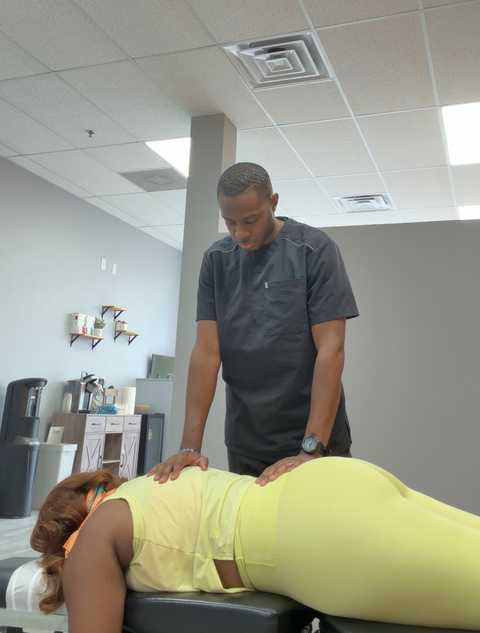
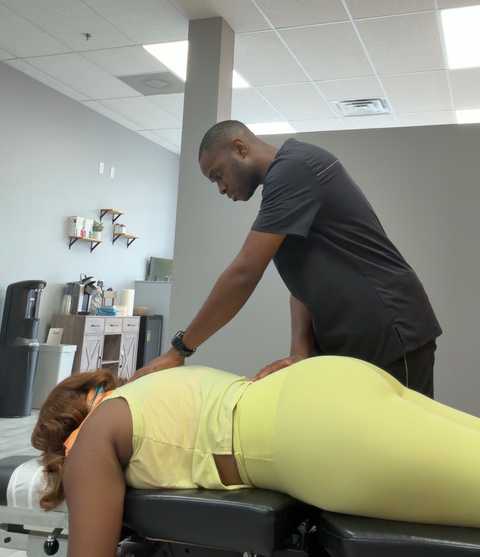


What Our Clients Say
$$MultiPurposeText$$
Read testimonials from our satisfied customers

Dr. Matthew was amazing. Hes so respectful and helpful HIGHLY RECOMMEND

Dr Matt is a Pro!

I had a great experience here getting adjusted. They also have a massage therapist there a...more

Absolutely love this place. Best chiropractor I’ve experienced 100%

Great customer service. Dr Richmond provides you with a personal experience by sharing inf...more

Dr Richmond is very knowledgeable. He listens to your concerns. I’d recommend others for h...more

Frequently Asked Questions
Get answers to common questions about Herniated Disc Treatment.
Yes. Our non-invasive approach uses spinal adjustments, decompression, and soft tissue therapies to relieve nerve pressure, reduce pain, and support natural healing. We tailor care based on imaging and symptoms; many patients see improvement within weeks.
Recovery varies by injury severity, patient age, and adherence to therapy. Many patients notice reduced pain and better mobility within two to six weeks, while full structural healing and functional restoration may take several months with continued care and home exercises.
Often yes. Non-surgical decompression can gently separate vertebrae to reduce disc bulge and relieve nerve pressure. We evaluate each case and combine decompression with adjustments, soft tissue work, and exercise when clinically appropriate to optimize outcomes.
Chiropractic care reduces risk by restoring alignment, improving muscular support, and teaching injury-specific exercises. While no approach guarantees prevention, early care and ongoing maintenance significantly lower the chance of recurrent pain and address compensatory patterns.
We often recommend imaging when symptoms suggest significant nerve compression or to rule out fractures. MRI provides detailed disc information; however, treatment sometimes begins based on exam findings while awaiting images, prioritizing pain relief and nerve protection.
Many auto insurance policies and personal injury claims cover chiropractic care related to accident injuries. Coverage varies by policy and claim status. Our office assists with documentation, billing, and communicating with insurers to maximize coverage and minimize out-of-pocket expenses for eligible patients.