

Frozen Shoulder Therapy Gallery
$$MultiPurposeText$$
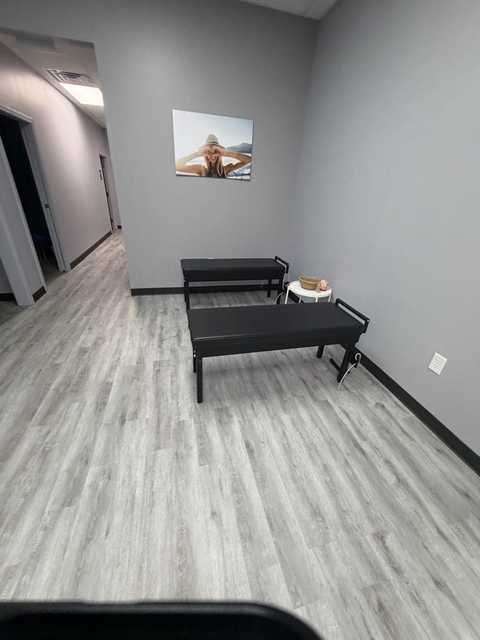
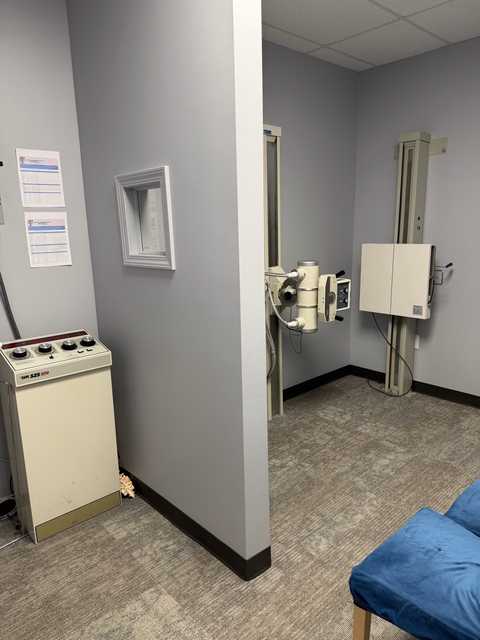
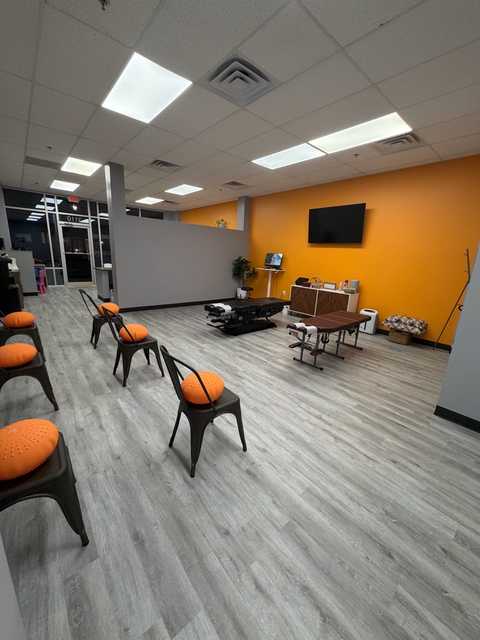
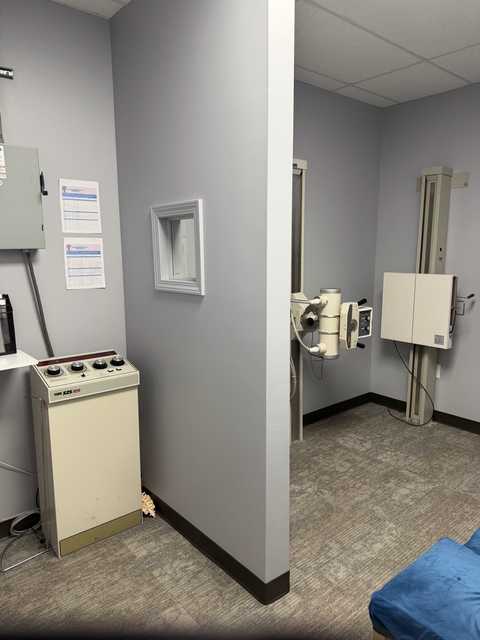
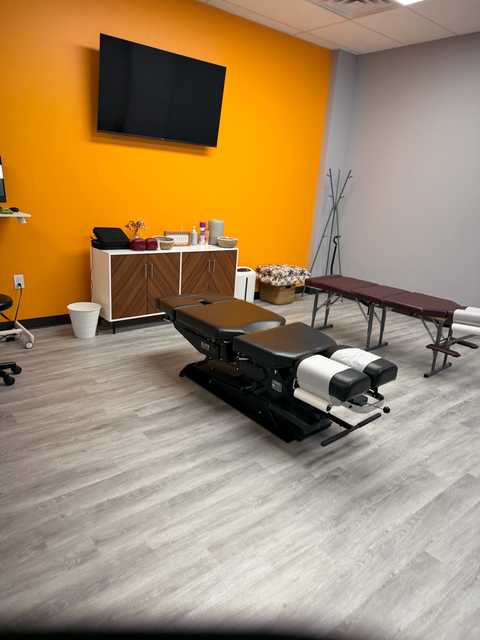
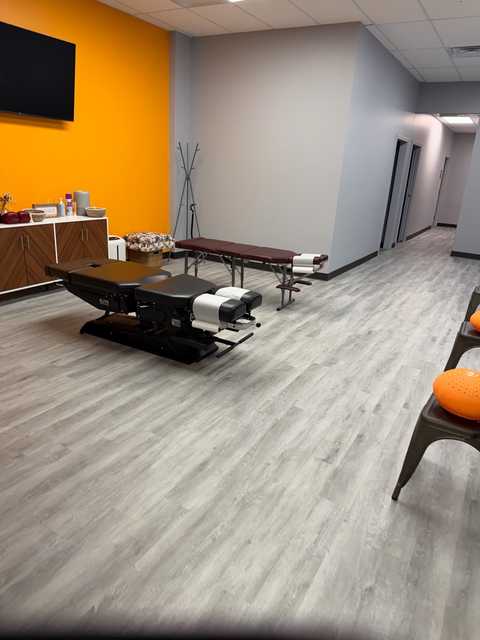
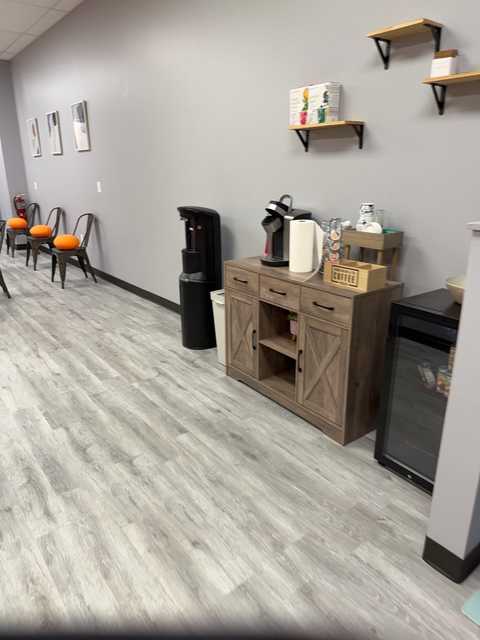
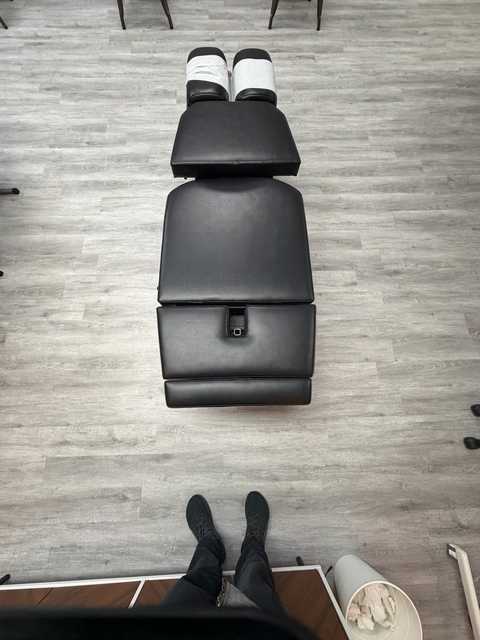
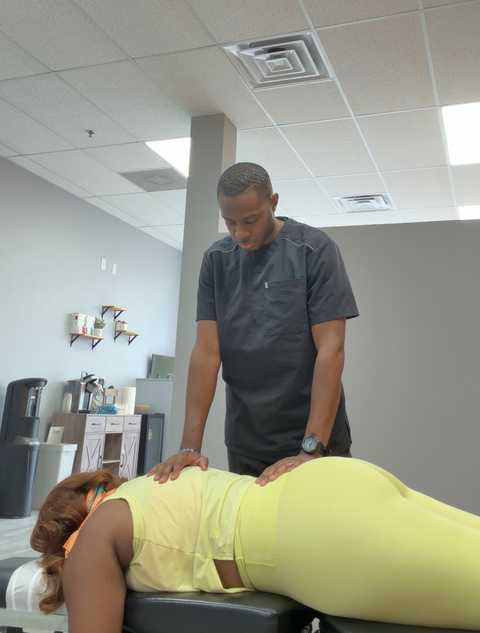
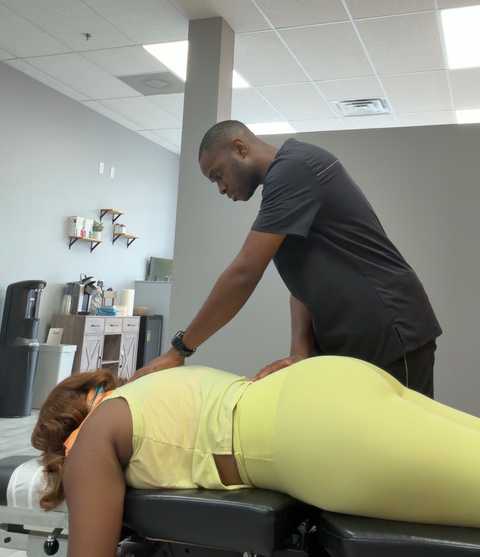
See examples of our Frozen Shoulder Therapy work and results.


What Our Clients Say
$$MultiPurposeText$$
Read testimonials from our satisfied customers

Dr. Matthew was amazing. Hes so respectful and helpful HIGHLY RECOMMEND

Dr Matt is a Pro!

I had a great experience here getting adjusted. They also have a massage therapist there a...more

Absolutely love this place. Best chiropractor I’ve experienced 100%

Great customer service. Dr Richmond provides you with a personal experience by sharing inf...more

Dr Richmond is very knowledgeable. He listens to your concerns. I’d recommend others for h...more

Frequently Asked Questions
Get answers to common questions about Frozen Shoulder Therapy.
Our clinicians use Active Release and precise manual techniques to identify restrictions, break down adhesions, and restore shoulder glide. Treatments include targeted mobilization, soft-tissue work, and home exercises to progressively improve mobility and reduce pain.
Treatment length varies by severity and chronicity. Most patients notice meaningful gains within 6-12 sessions, while stubborn or longstanding cases may require additional visits combined with a tailored home program and regular follow-ups.
Some techniques create temporary discomfort as adhesions release, but our approach emphasizes patient comfort and gradual progress. Soreness may persist for 24-72 hours; we provide pain-management strategies and adjust intensity based on tolerance.
Yes. Even chronic adhesive capsulitis can respond to focused manual therapy, progressive mobilization, and patient adherence to exercises. Results are gradual; consistent treatment and home routines often yield significant improvement over weeks to months.
We typically integrate supervised stretching, strengthening exercises, and modalities such as ultrasound when appropriate. If conservative care is insufficient, we coordinate referrals for corticosteroid injections or orthopedic evaluation for a comprehensive, multidisciplinary plan.
Coverage varies by plan. Connected Health Suwanee accepts many insurances and can verify benefits before treatment. We also provide itemized superbills for out-of-network reimbursement and discuss affordable self-pay options if needed.