

Carpal Tunnel Syndrome Treatment Gallery
$$MultiPurposeText$$
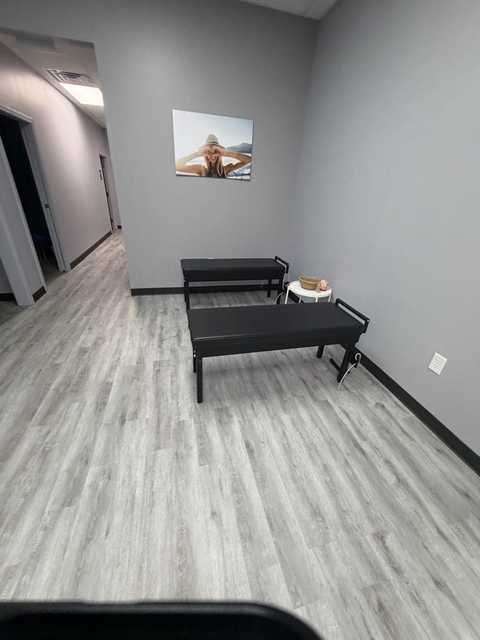
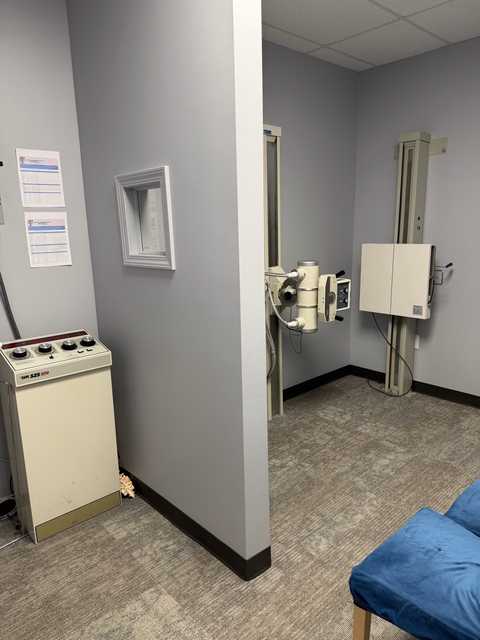
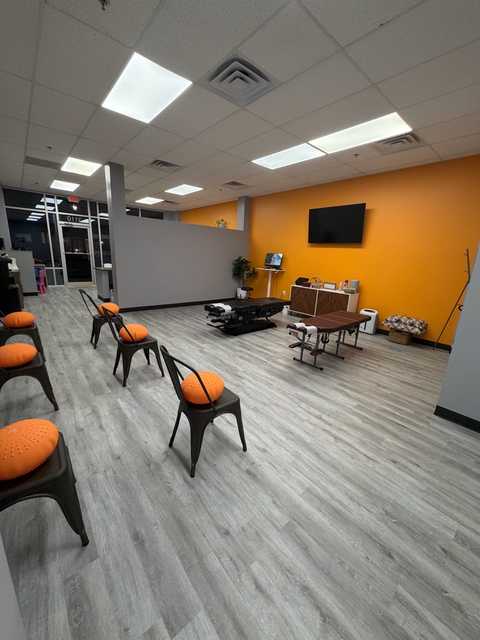
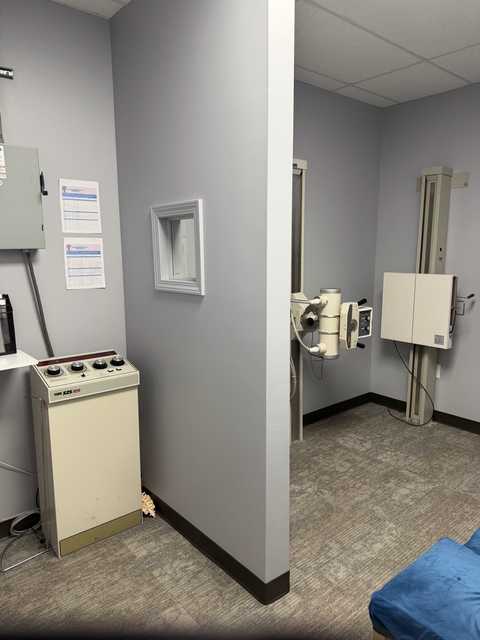
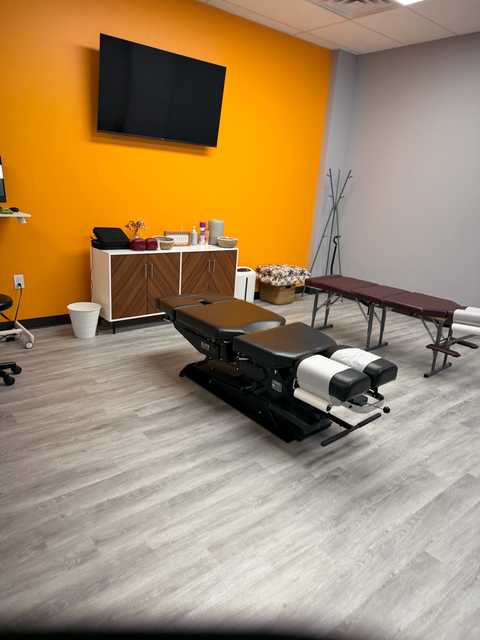
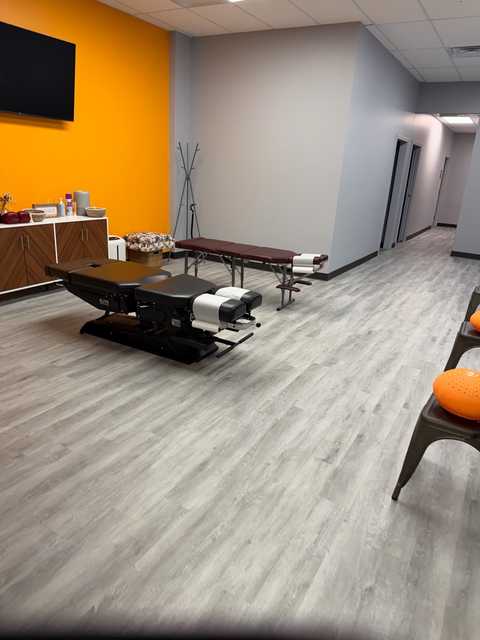
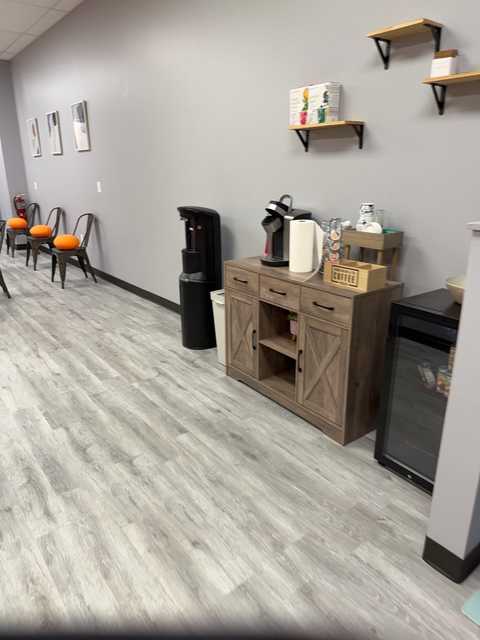
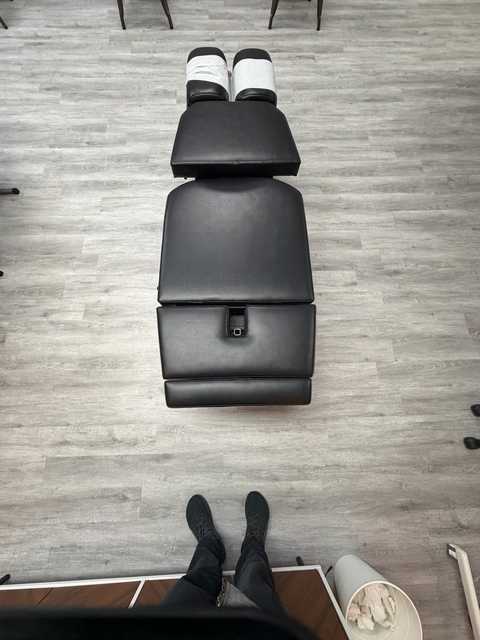
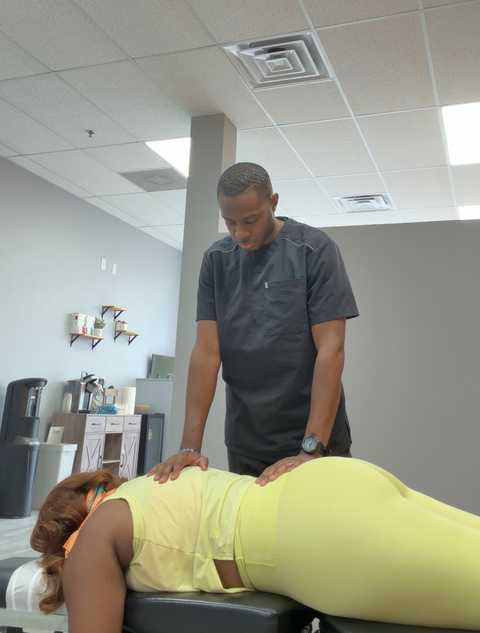
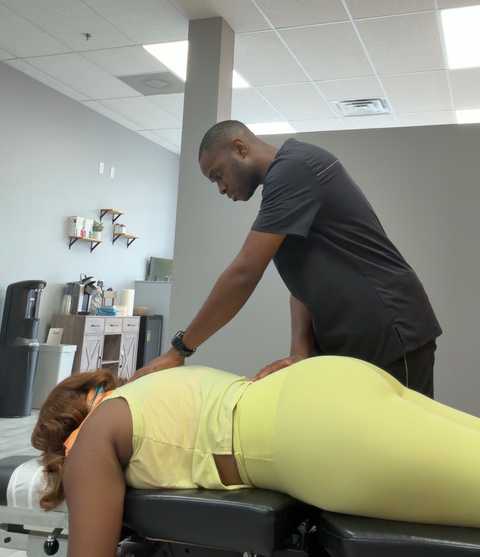
See examples of our Carpal Tunnel Syndrome Treatment work and results.


What Our Clients Say
$$MultiPurposeText$$
Read testimonials from our satisfied customers

Dr. Matthew was amazing. Hes so respectful and helpful HIGHLY RECOMMEND

Dr Matt is a Pro!

I had a great experience here getting adjusted. They also have a massage therapist there a...more

Absolutely love this place. Best chiropractor I’ve experienced 100%

Great customer service. Dr Richmond provides you with a personal experience by sharing inf...more

Dr Richmond is very knowledgeable. He listens to your concerns. I’d recommend others for h...more

Frequently Asked Questions
Get answers to common questions about Carpal Tunnel Syndrome Treatment.
Our Active Release approach assesses soft tissue restrictions and applies targeted manual techniques to break up adhesions, restore tendon and nerve mobility, and reduce pressure on the median nerve for lasting symptom relief.
Many patients notice decreased numbness or tingling within a few sessions, though timing varies by severity and chronicity. Early intervention generally produces faster improvement and better long-term outcomes.
Session counts vary, commonly ranging from 4 to 12 visits depending on tissue damage, symptom duration, and occupational demands. We provide a personalized plan and reassess progress regularly.
Treatments can cause brief discomfort as adhesions are released, but they are generally well tolerated. Your clinician adjusts pressure to your tolerance, and any soreness usually fades within 24–48 hours.
Yes, many patients avoid surgery with conservative care like Active Release, ergonomic changes, and home rehab. Success depends on severity, timeliness of care, and adherence to the treatment plan.
Absolutely. We teach nerve gliding, stretching, strengthening, and ergonomic strategies to reinforce gains. Consistent home care and workplace adjustments help sustain improvements and prevent recurrence.